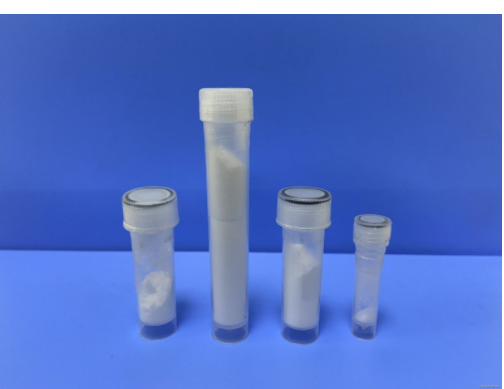
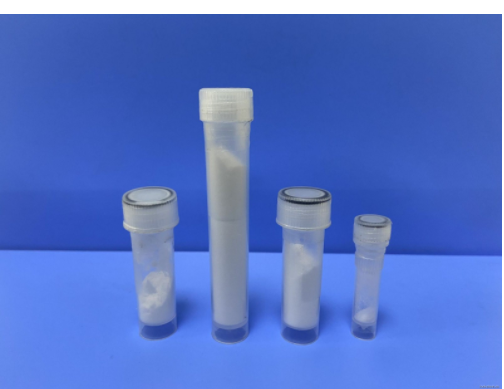
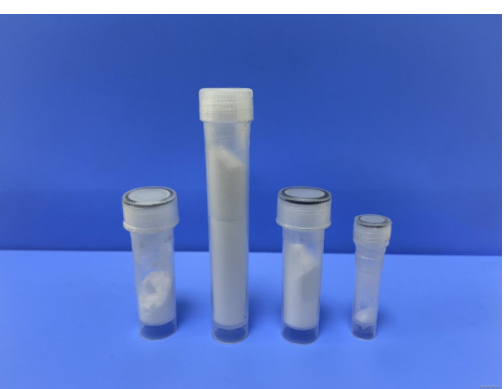
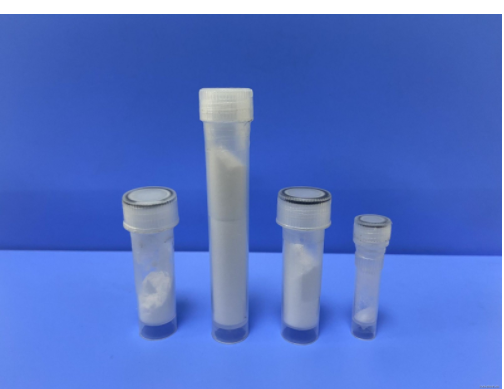
Product Description
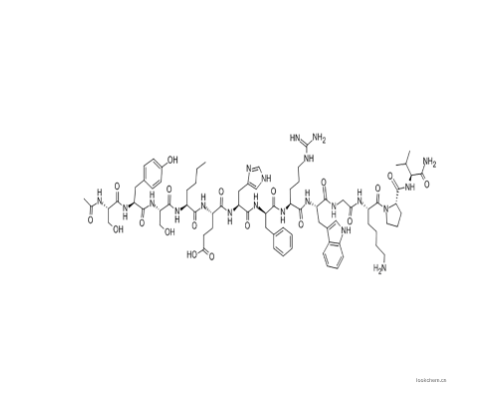
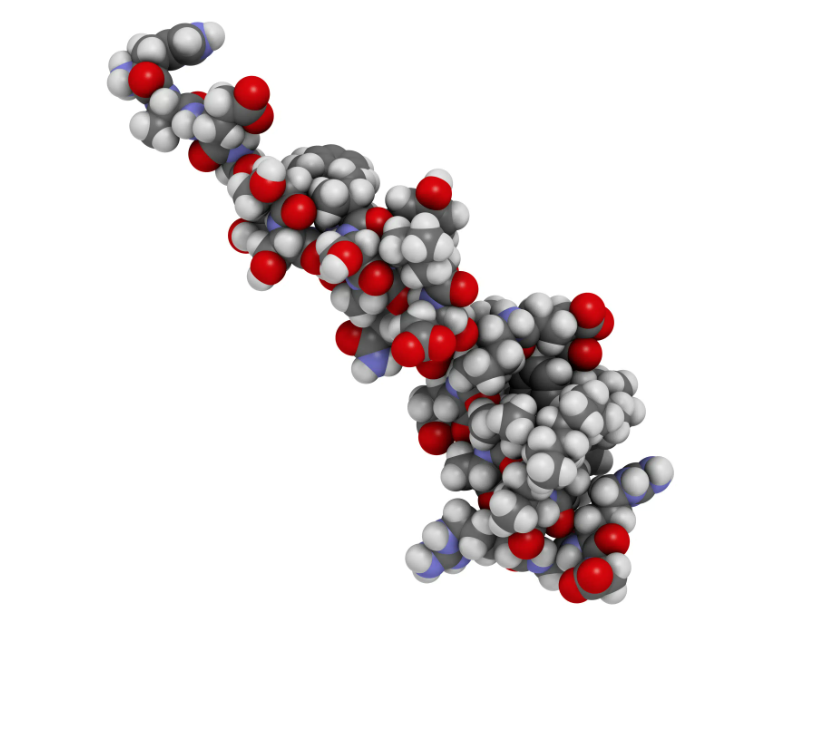
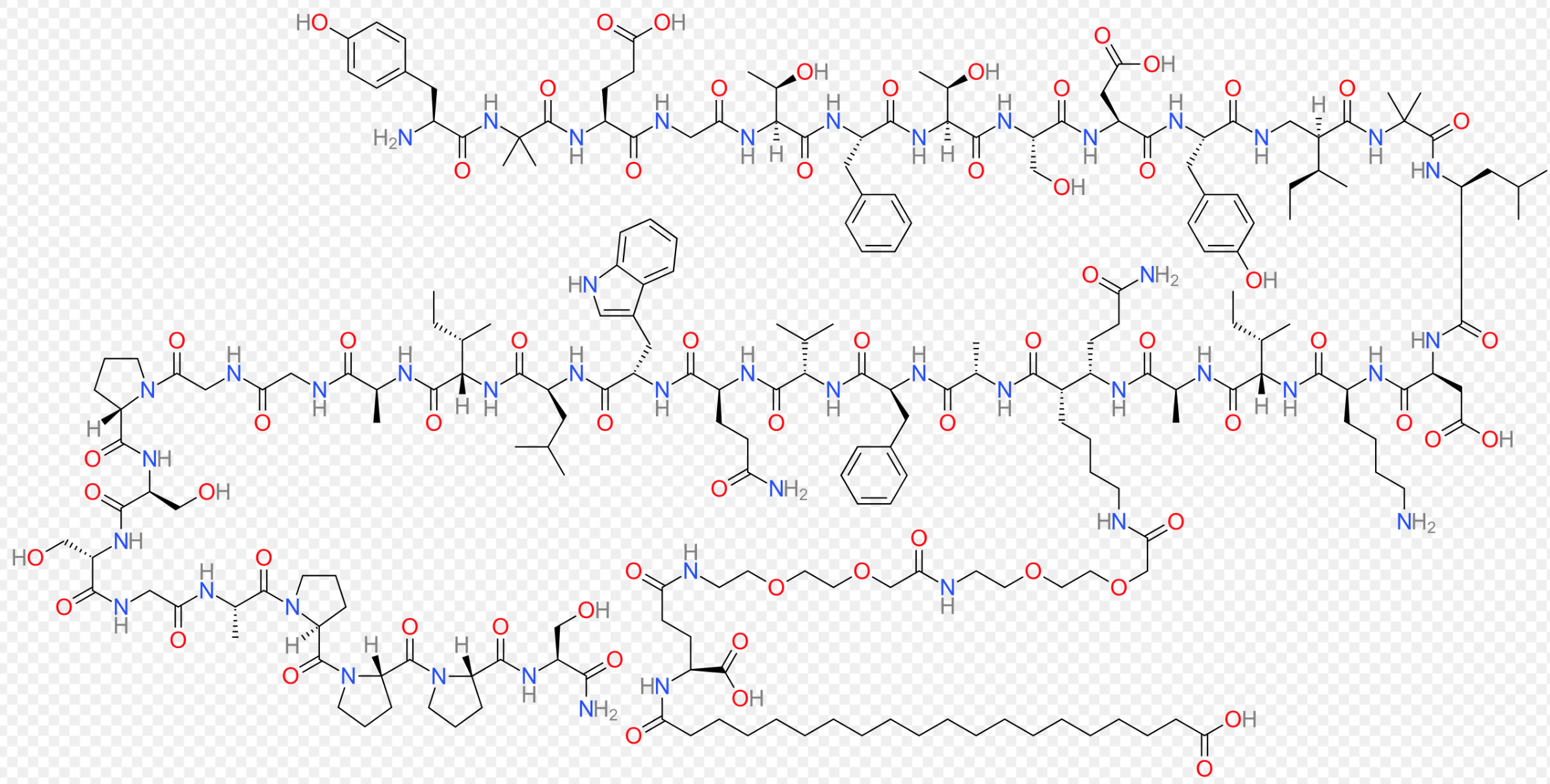
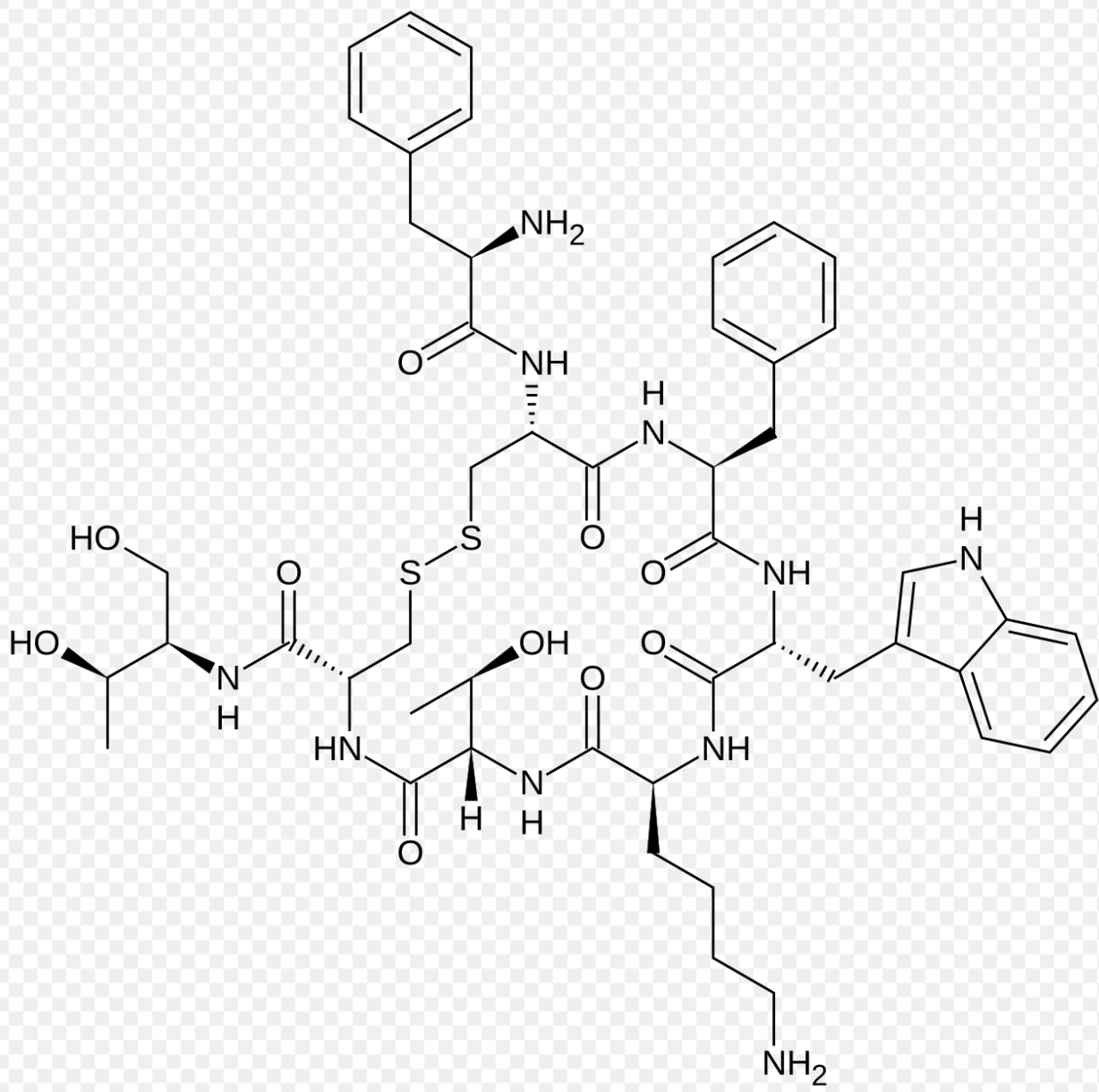
Transportan is an inhibitor peptide composed of multiple hydrophobic amino acids. The sequence contains 27 amino acids, of which 12 are functional amino acids. They are derived from the amino-terminal and carboxy-terminal papilloma proteins of the neuropeptide galanin and pass through lysine. Acid-linked, and Transportan has a cell penetrating function and is used as a cell penetrating peptide.
AI Product Description
*The following content is generated by AI and is for reference only.
Transportan is a highly potent cell-penetrating peptide (CPP) designed to facilitate the intracellular delivery of various macromolecules, including proteins, peptides, nucleic acids, and drugs. Originally developed as a hybrid molecule, it combines a hydrophobic domain derived from melittin with a cationic domain inspired by polyarginine sequences, resulting in a unique amphipathic structure that enables efficient membrane translocation. The molecular formula of Transportan is typically represented as C104H168N28O24S2, reflecting its complex composition of twenty amino acid residues. While specific CAS numbers may vary depending on the exact synthetic batch or supplier modifications, standard commercial preparations are often cataloged under unique identifiers for research-grade reagents.
The primary application of Transportan lies in biomedical research and therapeutic development, where it serves as a versatile vector for overcoming cellular barriers. Unlike many other CPPs that rely solely on electrostatic interactions, Transportan utilizes a "carpet-like" mechanism to transiently disrupt lipid bilayers, allowing cargo to enter cells rapidly without causing significant cytotoxicity at optimal concentrations. This property makes it invaluable for delivering large molecules such as antibodies, enzymes, and gene therapy vectors into hard-to-transfect cell lines. Researchers frequently employ Transportan in studies involving cancer therapy, neurodegenerative diseases, and vaccine development, where precise intracellular targeting is crucial. Its ability to cross the blood-brain barrier further enhances its potential for treating central nervous system disorders. Although structural analogs exist, Transportan remains a gold standard due to its high transfection efficiency and low toxicity profile compared to traditional methods like lipofection or viral vectors. As a non-viral delivery system, it offers a safer alternative for clinical applications, though ongoing studies continue to refine its specificity and minimize off-target effects. In summary, Transportan represents a breakthrough in nanomedicine, bridging the gap between extracellular administration and intracellular action, thereby expanding the horizons of modern drug delivery systems.





 (All Rights Reserved)