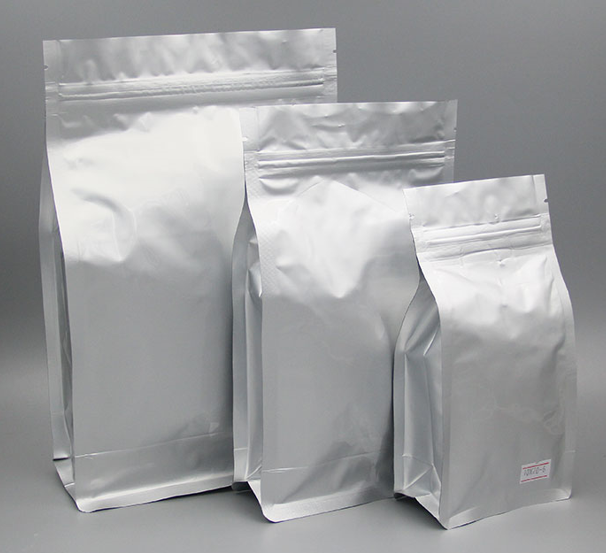
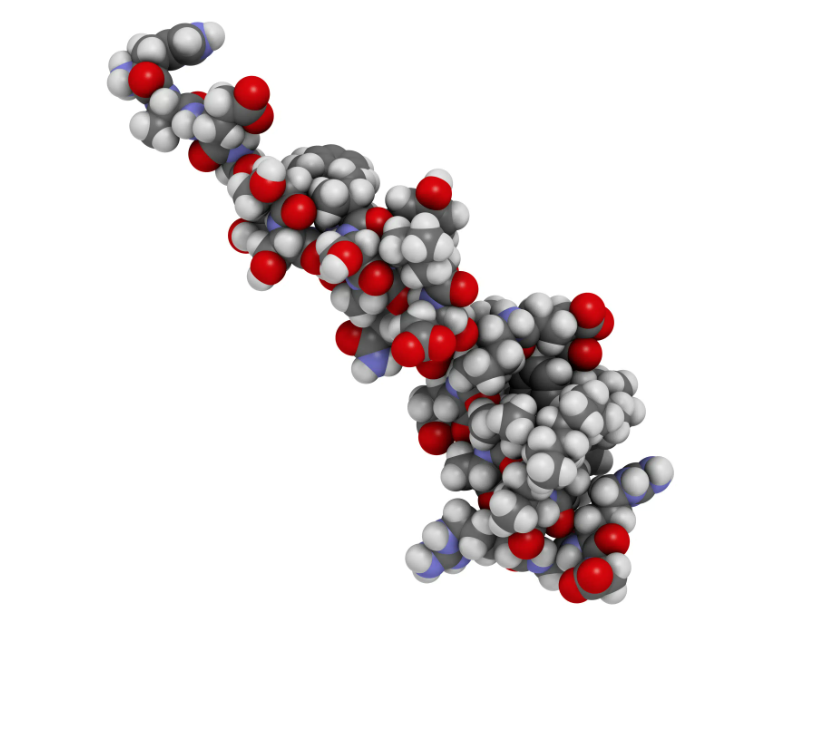
Product Description
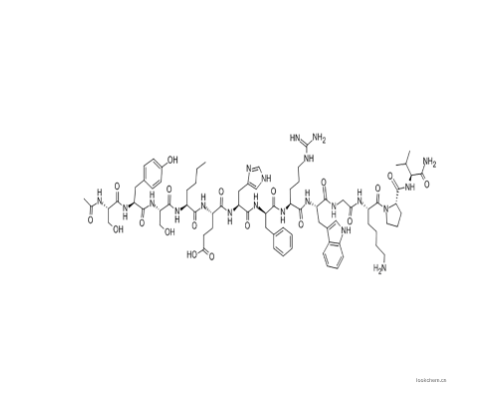
Transdermal Peptide is a peptide composed of 11 amino acids, which can penetrate the membrane through cell osmotic pressure. Transdermal Peptide can enhance the transmission of some macromolecules in the skin. There are three consecutive Sers in the Transdermal Peptide sequence. In the process of peptide synthesis, care should be taken to select appropriate reaction conditions to avoid side reactions.
AI Product Description
*The following content is generated by AI and is for reference only.
Transdermal peptides refer to bioactive peptide sequences engineered or formulated specifically for delivery through the skin barrier, bypassing gastrointestinal degradation and first-pass metabolism. Unlike traditional oral supplements, these compounds utilize advanced penetration enhancers, liposomal encapsulation, or microneedle technology to traverse the stratum corneum and reach systemic circulation or target dermal layers. Because peptides are large, polar molecules, they naturally face significant permeation challenges; however, specific formulations optimize this process to ensure therapeutic efficacy without invasive injection.
There is no single molecular formula or CAS number for "Transdermal Peptide" as a distinct chemical entity, as this term describes a delivery method applied to various individual peptides rather than a unique compound. For instance, if the product contains Copper Tripeptide-1 (GHK-Cu), its specific CAS is 49557-75-3 with a complex molecular structure involving glycine, histidine, lysine, and copper ions. Similarly, Matrixyl (Palmitoyl Pentapeptide-4) has its own distinct identifier. The versatility of transdermal peptide systems allows them to address diverse health and cosmetic needs. In dermatology, they are widely used to stimulate collagen synthesis, reduce wrinkles, improve skin elasticity, and accelerate wound healing by signaling fibroblasts to produce extracellular matrix components. In broader medical applications, certain peptide variants are being explored for pain management, hormonal regulation, and immune modulation via non-invasive patches.
The primary advantage of this delivery route lies in patient compliance and sustained release profiles. By avoiding the digestive system, bioavailability is often significantly higher compared to oral ingestion, where enzymes rapidly break down protein chains. Furthermore, topical application minimizes systemic side effects associated with high-dose injections. While research continues to refine carrier technologies to enhance absorption rates for larger peptide structures, current transdermal formulations have already established themselves as a cornerstone in anti-aging skincare and regenerative medicine. Users should note that efficacy depends heavily on the specific peptide sequence, concentration, and the sophistication of the delivery vehicle employed in the final product formulation.





 (All Rights Reserved)