Product Description
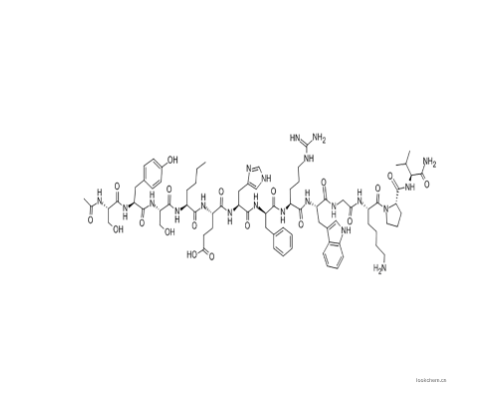
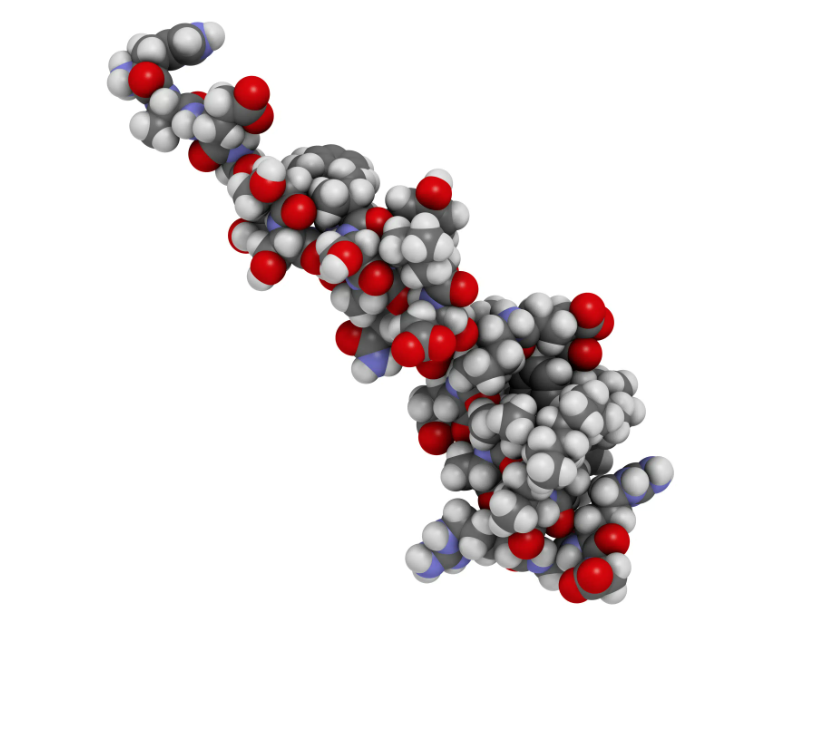
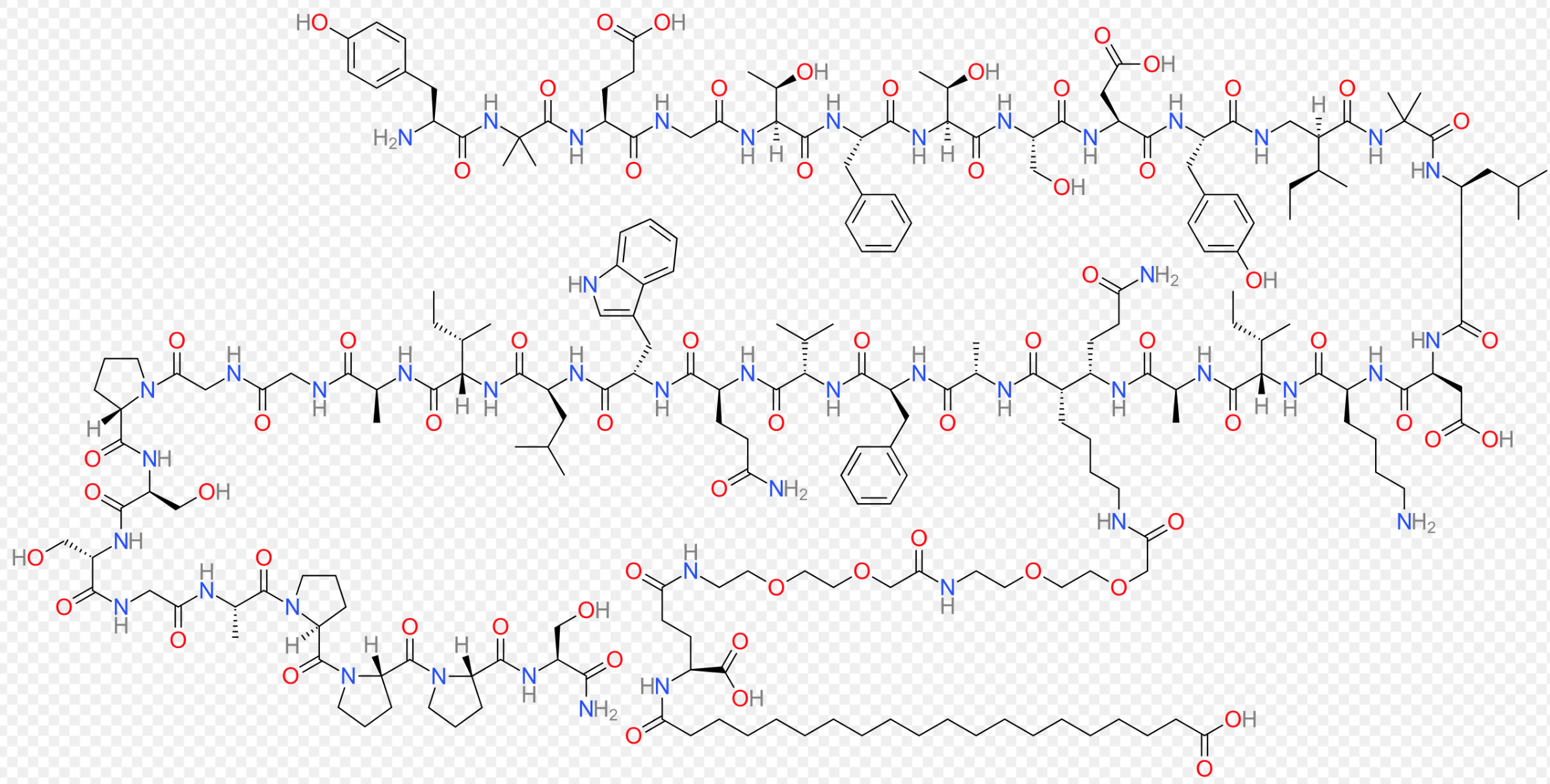
Tirzepatide has a similar sequence with semaglutide. The Lys side chain in the sequence is modified with PEG, which is the functional group of peptide and can increase the water solubility of the sequence. The main physiological function of tirzepatide is Glucose dependent insulin nutrient peptide (GIP) and glucagon like peptide-1 (GLP-1) receptor double agonist, which is being developed for the treatment of type 2 diabetes and has entered the clinical stage.
AI Product Description
*The following content is generated by AI and is for reference only.
Tirzepatide, marketed under the brand name Mounjaro for type 2 diabetes and Zepbound for chronic weight management, represents a groundbreaking advancement in metabolic therapy. Chemically, it is a dual glucose-dependent insulinotropic polypeptide (GIP) and glucagon-like peptide-1 (GLP-1) receptor agonist. Its molecular formula is C146H225N39O42S, with a molecular weight of approximately 3877 g/mol. The compound does not possess a traditional CAS number because it is a large, complex peptide molecule rather than a small synthetic chemical; instead, it is identified by its specific sequence and regulatory designations.
Structurally, Tirzepatide consists of a 39-amino acid peptide backbone linked to a fatty diacid side chain. This unique modification extends its half-life, allowing for once-weekly subcutaneous administration. Unlike earlier therapies that targeted only GLP-1 receptors, Tirzepatide simultaneously activates both GIP and GLP-1 pathways. This dual mechanism synergistically enhances insulin secretion in response to meals, suppresses glucagon release, slows gastric emptying, and significantly reduces appetite through central nervous system effects. Clinical trials have demonstrated superior efficacy compared to monotherapy agents, resulting in substantial reductions in HbA1c levels and significant body weight loss, often exceeding 20% in obese patients.
The primary applications of Tirzepatide include the treatment of adults with type 2 diabetes mellitus to improve glycemic control and the management of obesity or overweight conditions associated with comorbidities. It has been shown to reduce cardiovascular risks and improve lipid profiles. As a peptide-based biologic, it requires refrigeration and careful handling to maintain stability. While generally well-tolerated, common side effects include nausea, vomiting, diarrhea, and constipation. Tirzepatide marks a paradigm shift in endocrinology, offering a potent tool for addressing the global epidemics of diabetes and obesity through its innovative dual-receptor agonism profile.






 (All Rights Reserved)