Product Description
Thymolphthalein is a kind of PH indicator.
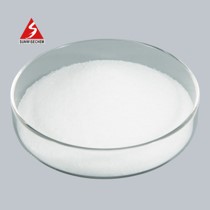
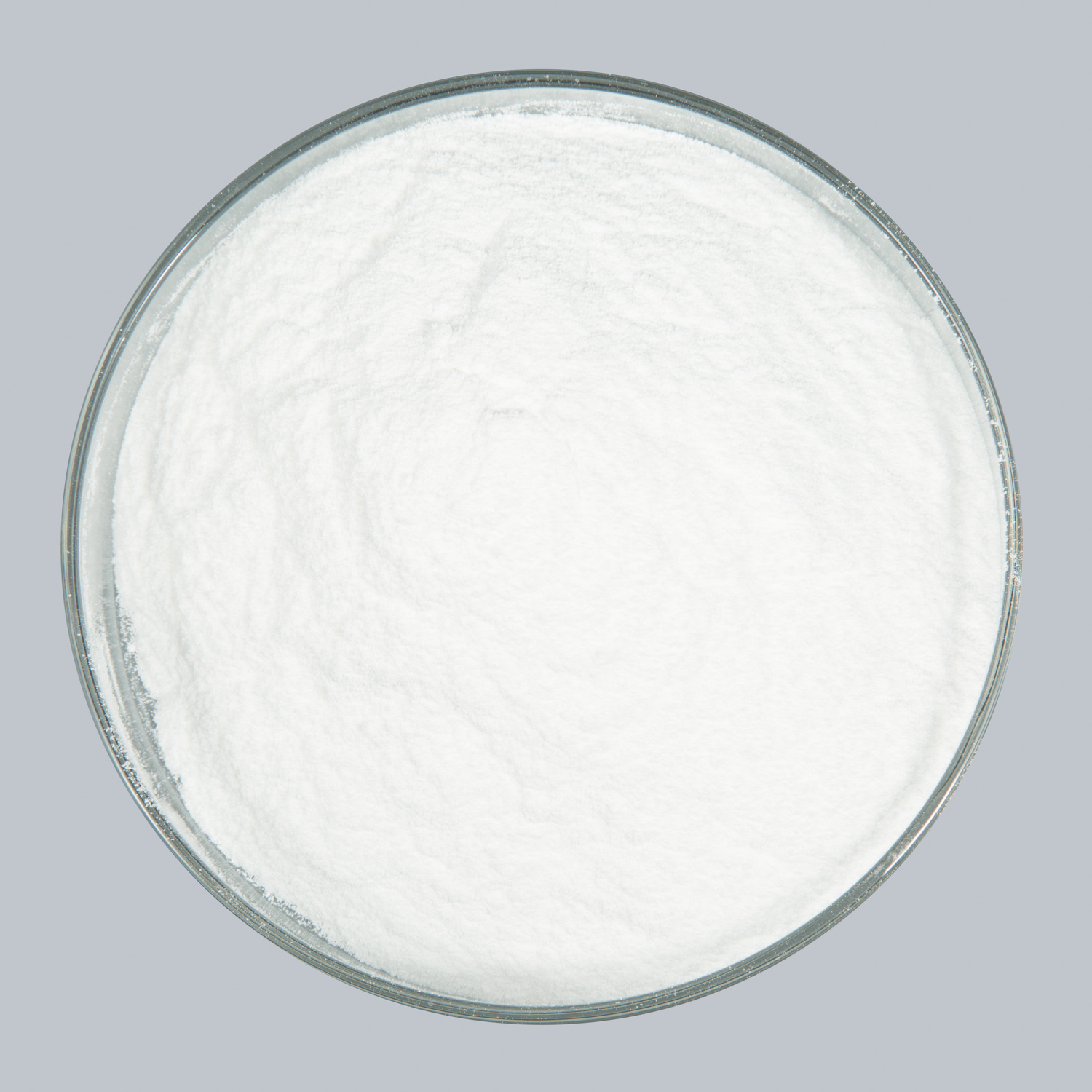
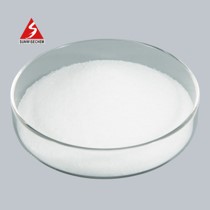
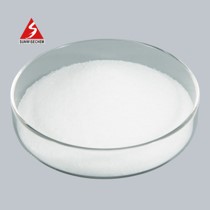
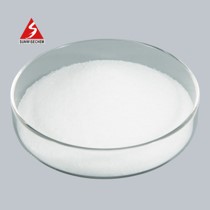
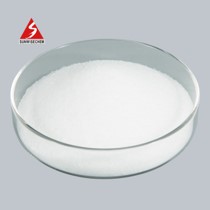
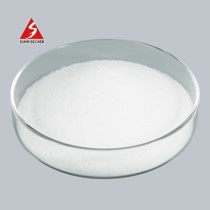
It is a white to off white powder, insoluble in water.
The range of PH change is 9.4-10.6, and the color changes from colorless to blue.
It is also often combined with other indicators to form a gentle indicator, which makes the color change range narrower and the observation clearer.
AI Product Description
*The following content is generated by AI and is for reference only.
Thymolphthalein is a widely recognized synthetic chemical compound primarily utilized as a pH indicator in analytical chemistry and laboratory settings. With the Chemical Abstracts Service (CAS) number 79-69-4, this substance belongs to the class of phthalein dyes. Its molecular formula is C₂₈H₃₀O₄, reflecting its complex organic structure composed of carbon, hydrogen, and oxygen atoms. The molecule features a distinctive tricyclic framework that undergoes significant structural rearrangement depending on the acidity or alkalinity of its surrounding environment, which directly influences its optical properties.
In practical applications, Thymolphthalein serves as an essential tool for titration processes, particularly those involving strong bases and weak acids. It exhibits a remarkable color transition range between pH 9.3 and 10.5. In acidic or neutral solutions, the compound remains completely colorless, making it ideal for detecting the endpoint of reactions where a clear visual shift is required. Upon exposure to basic conditions within its specific transition window, it shifts to a vivid blue-violet hue. This sharp change allows chemists to determine reaction completion with high precision without the need for electronic sensors.
Beyond standard volumetric analysis, Thymolphthalein finds utility in biological staining and histological research, although its use here is more specialized compared to other indicators. It is also occasionally employed in forensic science and environmental monitoring to assess water quality parameters related to alkalinity. The compound is typically supplied as a powder or dissolved in ethanol or isopropanol for ease of handling and storage. Due to its sensitivity to light and air, proper storage in dark, cool environments is recommended to maintain stability. While generally safe when handled according to standard laboratory protocols, it should be treated with caution as with any chemical reagent. Its cost-effectiveness, combined with reliable performance, ensures its continued relevance in educational institutions, industrial quality control labs, and research facilities worldwide. As a fundamental reagent, Thymolphthalein remains indispensable for accurate quantitative analysis in modern chemistry.



 (All Rights Reserved)

![6,8-Dioxo-5,7-diazaspiro[3.4]octane-2-carboxylic acid](https://eimg.pharmasources.com/image/product/20250403/02effeb5a7639bc84ff1f3add3c0c64fjpg)
![8,16-Diazadispiro[6.1.6.2]heptadecan-17-one](https://eimg.pharmasources.com/image/product/20250403/ca91cba8b87e53fc879f8d8764873a40jpg)



![8-Oxa-1,3-diazaspiro[4.5]decane-2,4-dione](https://eimg.pharmasources.com/image/product/20250403/60fa7223d5a34f24138486ceea0ffb15jpg)

