Product Description
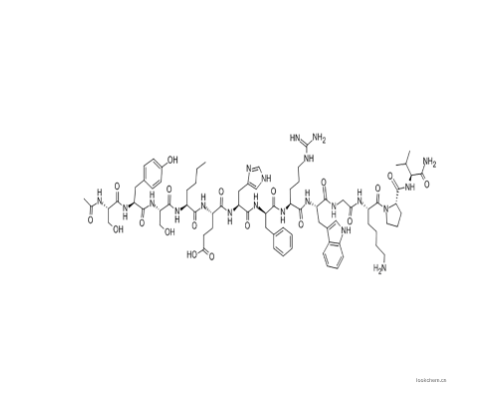
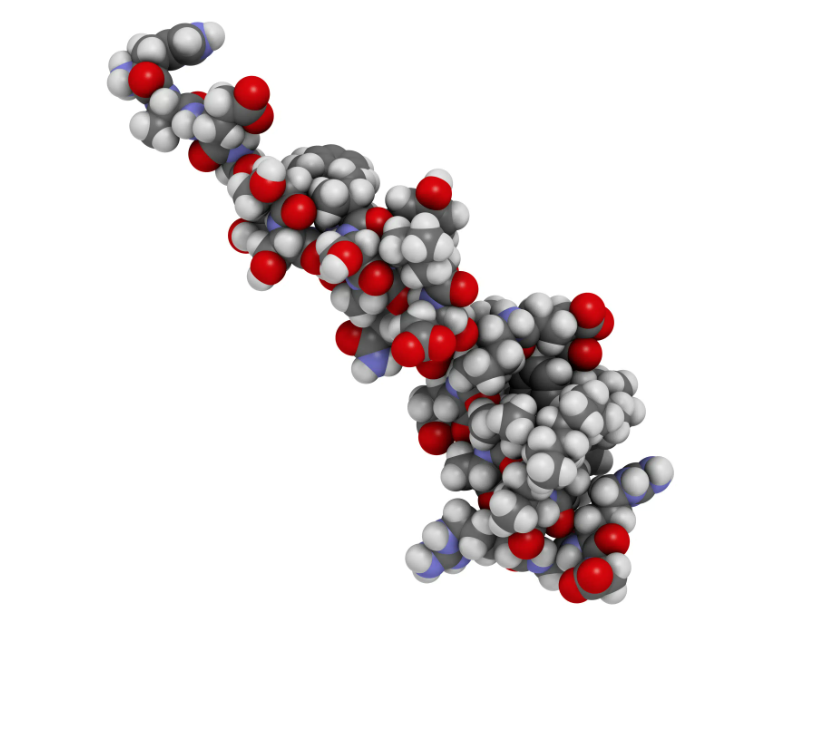
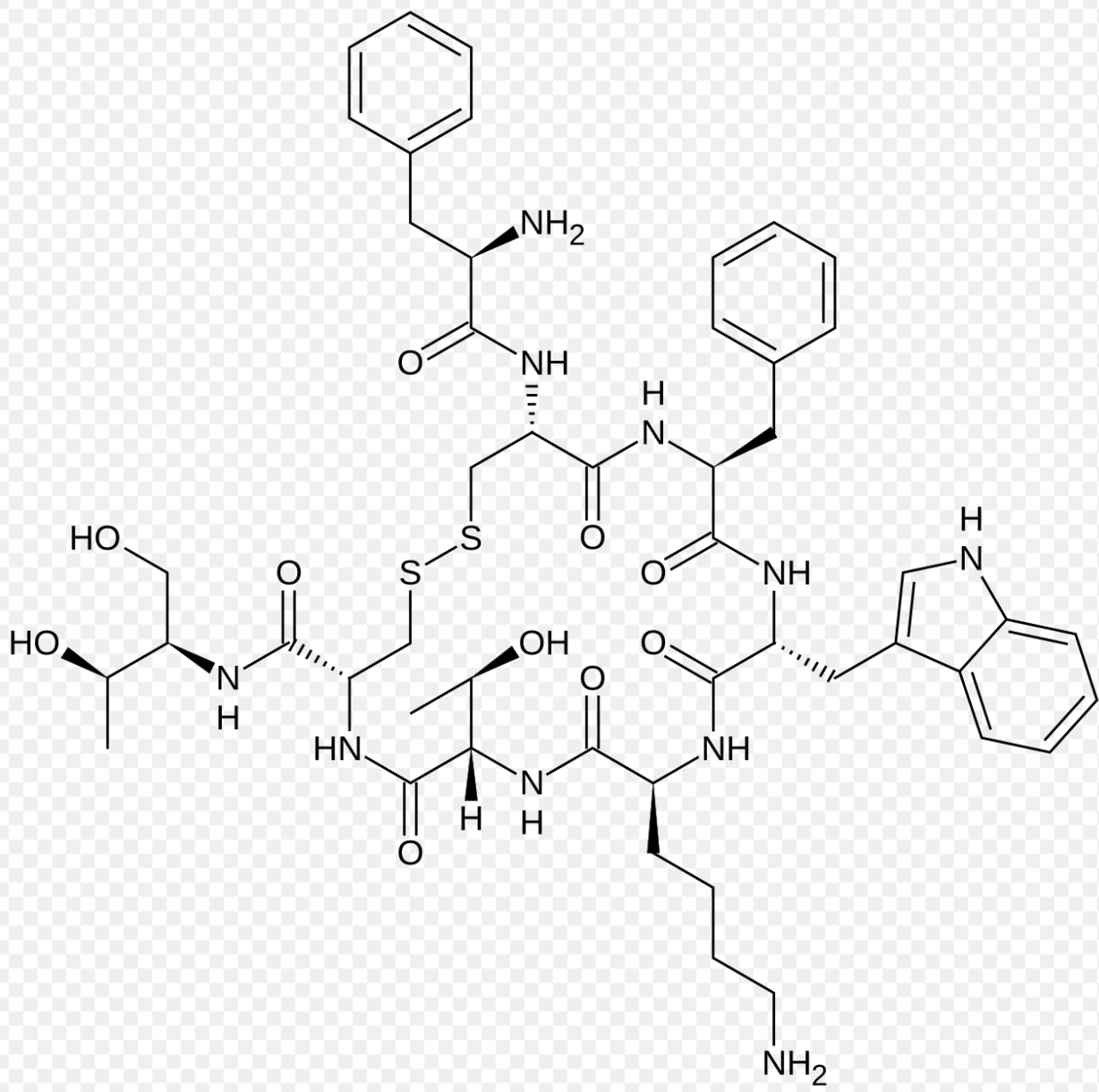
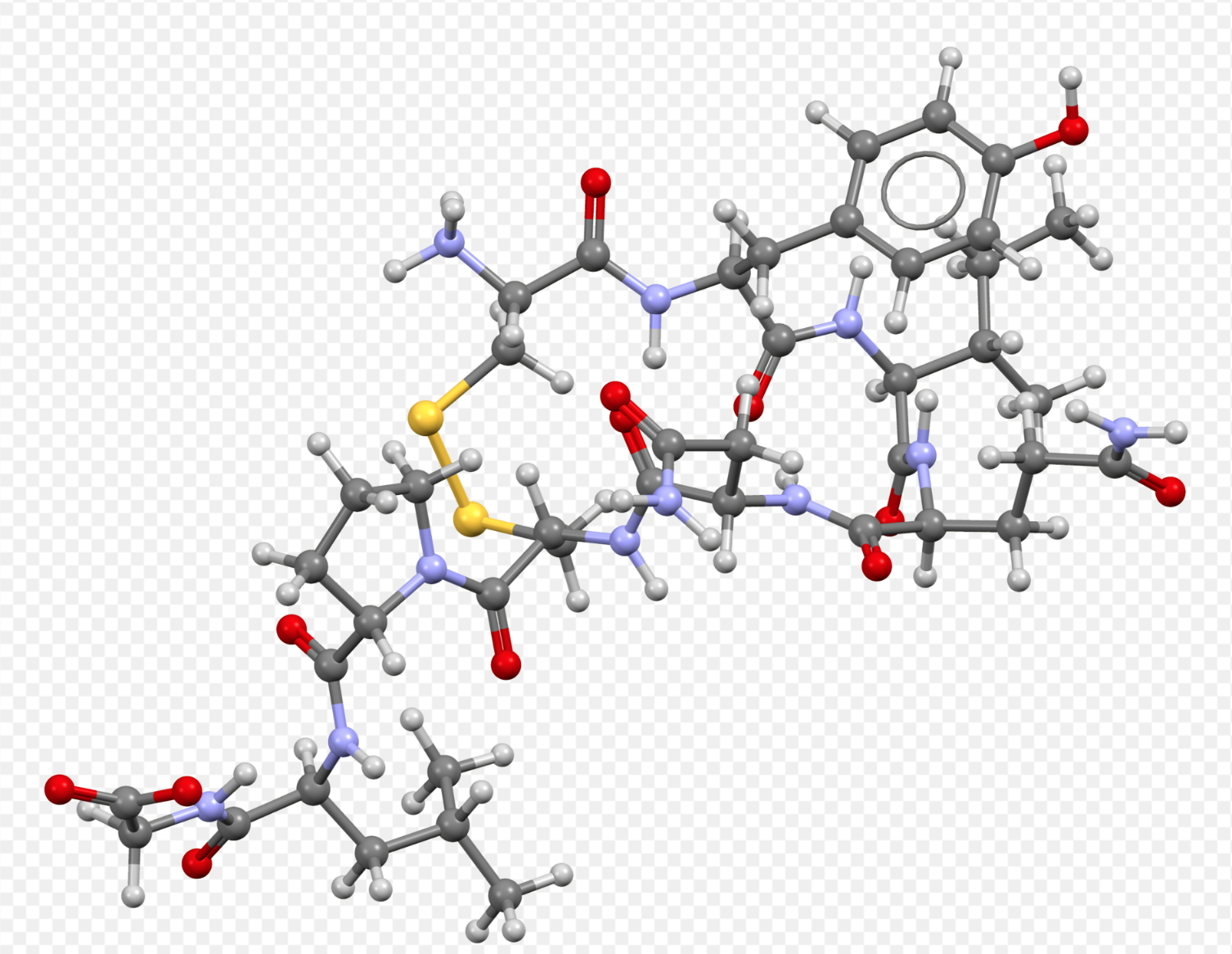
TFLLR-NH2 (TFA) is a selective PAR1 agonist. In some experiments, TFLLR-NH2 (TFA) can cause edema. The sequence of TFLLR-NH2 (TFA) is relatively simple, consisting of 5 amino acids, and the C-terminus is closed by an amide bond, which has good stability.
AI Product Description
*The following content is generated by AI and is for reference only.
TFLLR-NH2(TFA) is a specialized synthetic peptide derivative widely utilized in advanced biochemical research and pharmaceutical development. Its chemical identity corresponds to the tetrapeptide sequence Threonine-Phenylalanine-Leucine-Leucine-Arginine, terminated with a primary amine group at the C-terminus and stabilized as a Trifluoroacetic acid (TFA) salt. The molecular formula is typically represented as C29H48F3N7O6, reflecting the specific amino acid composition combined with the trifluoroacetate counterion which enhances solubility and stability during storage. While a unique CAS number for this exact TFA salt variant may not be universally indexed in public databases due to its custom synthesis nature, it is often associated with the core peptide backbone or generated under specific catalog numbers by major peptide manufacturers like Bachem or Sigma-Aldrich upon request.
This compound serves as a critical tool in proteomics, particularly for studying substrate specificity of proteases such as thrombin or trypsin, given the presence of the arginine residue. Researchers frequently employ TFLLR-NH2(TFA) as a fluorogenic or chromogenic substrate to quantify enzyme activity in high-throughput screening assays. Furthermore, the free amine terminus allows for convenient conjugation to fluorescent dyes, biotin, or solid supports via standard coupling chemistry, facilitating the creation of labeled probes or affinity matrices. In drug discovery contexts, variations of this sequence help elucidate cleavage sites within larger protein targets, aiding in the design of inhibitors that modulate specific enzymatic pathways involved in coagulation or cell signaling. The trifluoroacetic acid form ensures the peptide remains soluble in aqueous buffers and organic solvents required for HPLC purification and mass spectrometry analysis. Due to its susceptibility to degradation, it is generally stored at -20°C in lyophilized form. Overall, TFLLR-NH2(TFA) represents an essential reagent for understanding proteolytic mechanisms and developing therapeutic agents targeting serine proteases, bridging fundamental biochemistry with translational medicine applications.





 (All Rights Reserved)