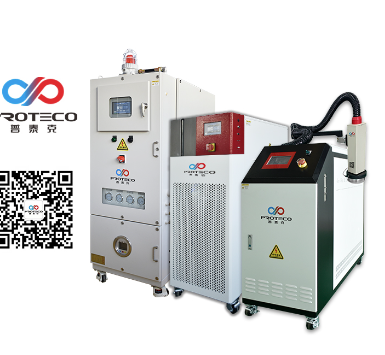
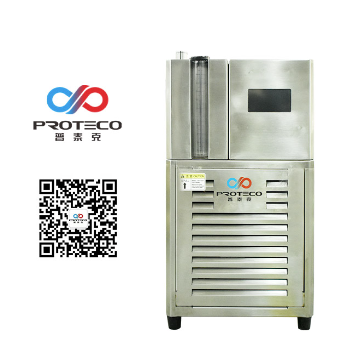
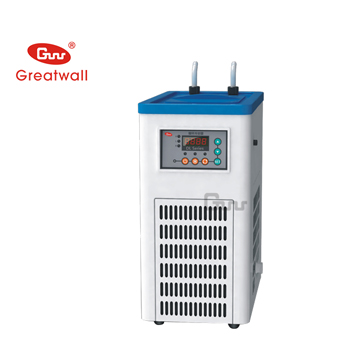
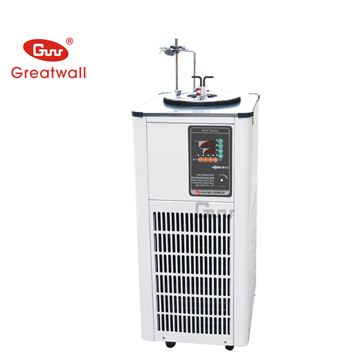
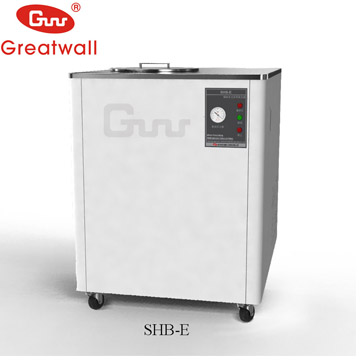
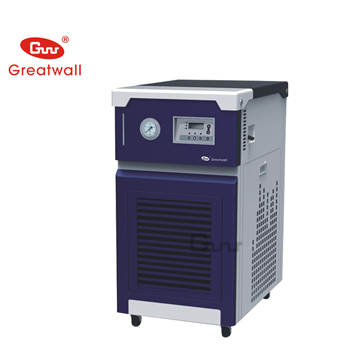
Product Description
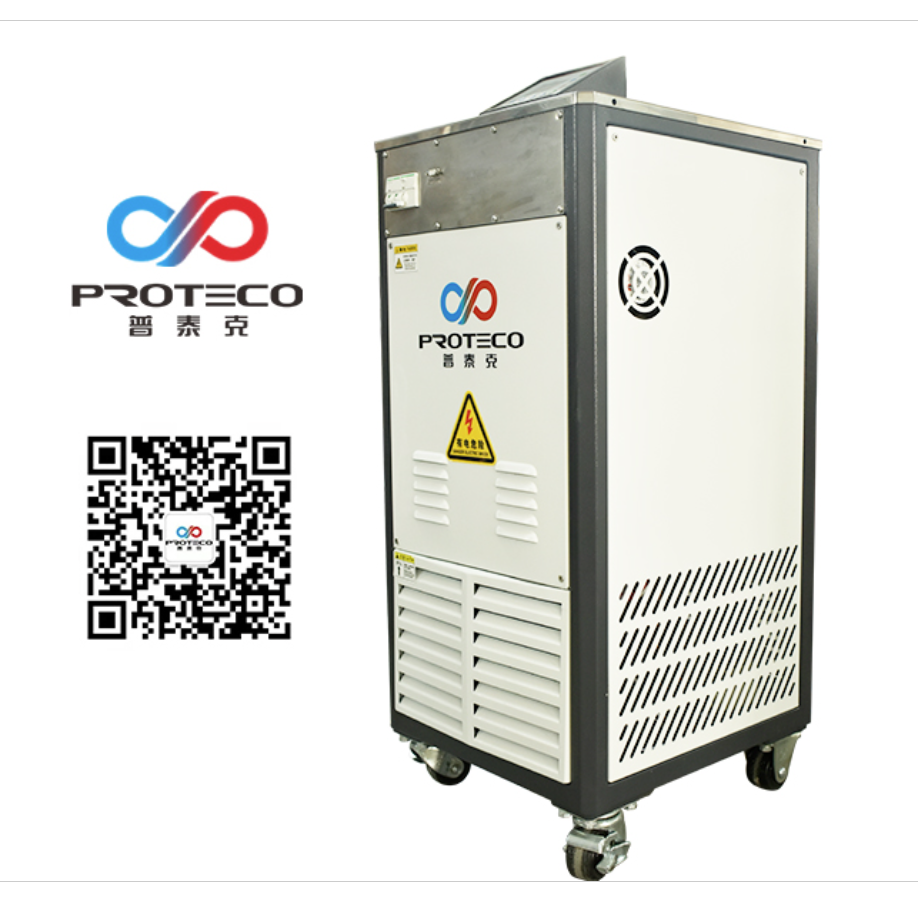
One of the key technologies in the research and development of engine thermal management system is the matching technology between thermal management system and engine operation and the selection of system optimization control strategy. The efficiency of thermal management system depends on the optimal control strategy of the system to a great extent, and the control objects include the speed of water pump, the valve opening of electronically controlled thermostat and the speed of cooling fan.
AI Product Description
*The following content is generated by AI and is for reference only.
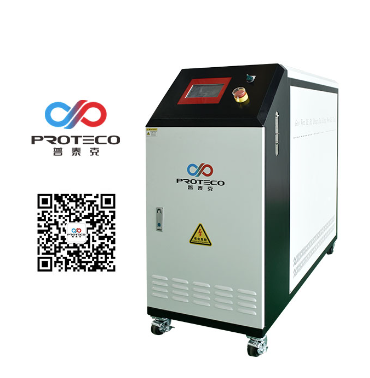
The Temperature Control Unit (TCU) serves as the central nervous system within modern vehicle thermal management architectures. Its primary function is to regulate the operating temperature of critical components, including the internal combustion engine, electric motors, batteries in hybrid and electric vehicles, and the passenger cabin. By precisely managing heat transfer between various fluid circuits, the TCU ensures optimal performance, efficiency, and longevity across diverse driving conditions. In electric vehicles, it plays a pivotal role in maintaining battery cell temperatures within narrow safety margins, preventing overheating during rapid charging or high-load acceleration while preserving warmth in cold climates to sustain range and power output.
Beyond simple heating and cooling, advanced units integrate complex logic to balance energy consumption. They coordinate with chillers, heaters, pumps, and valves to recover waste heat from the drivetrain for cabin warming, significantly reducing the reliance on energy-intensive resistive heaters. This intelligent distribution enhances overall vehicle efficiency and extends driving range.
When installing or maintaining these units, several precautions are essential. First, strict adherence to manufacturer-specified coolant types and mixture ratios is mandatory; using incompatible fluids can cause corrosion, clogging, or chemical degradation of seals. Second, the system must be properly bled to eliminate air pockets, which can lead to localized hot spots and sensor inaccuracies. Third, electrical connections should be inspected regularly for signs of moisture ingress or corrosion, as water damage often triggers fault codes or component failure. Technicians must also ensure that software calibration matches the specific vehicle configuration, as outdated firmware may result in inefficient thermal cycling. Finally, any repair work involving refrigerant lines requires certified handling procedures to comply with environmental regulations regarding ozone-depleting substances. Proper care of the TCU not only guarantees driver comfort but also safeguards expensive powertrain assets against thermal stress failures.




 (All Rights Reserved)