Product Description
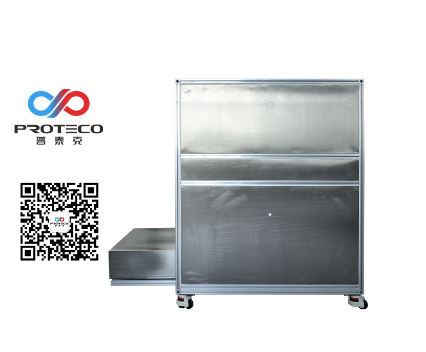
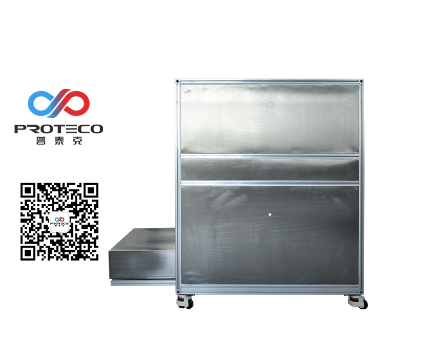
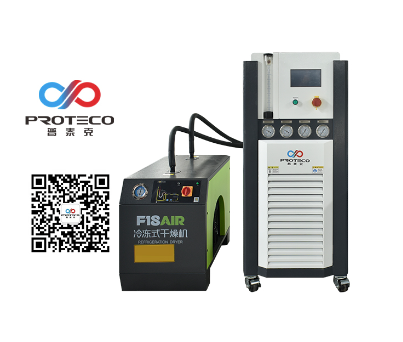
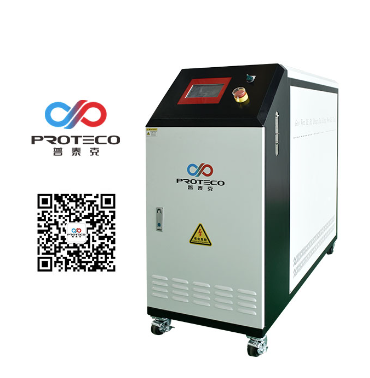
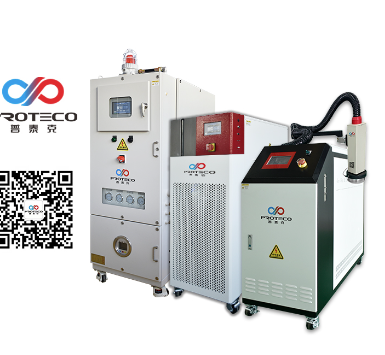
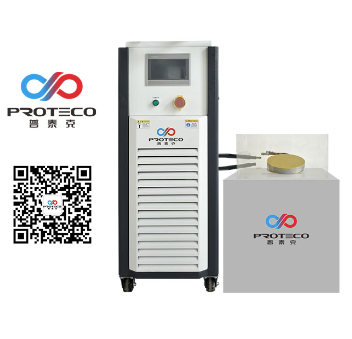
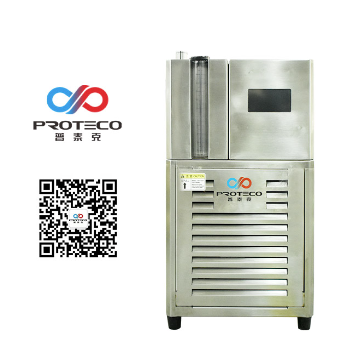
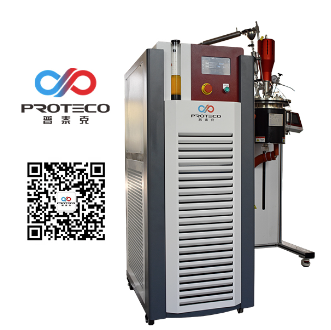
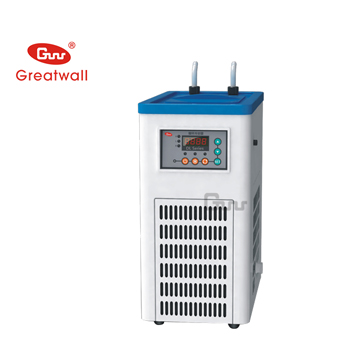
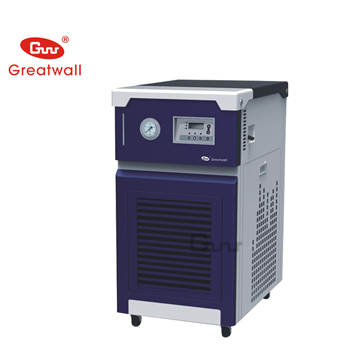
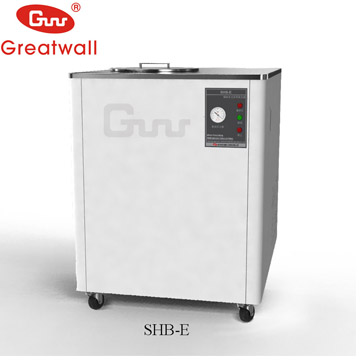
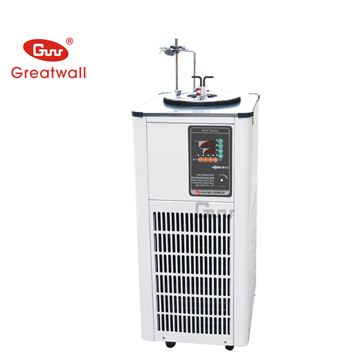
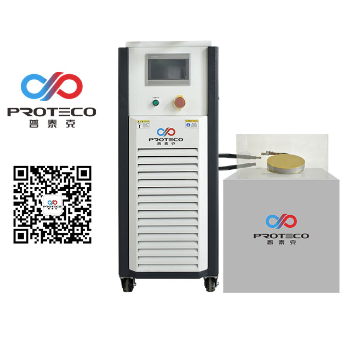
Ultra-high temperature cooling technology is adopted in wafer high and low temperature testing, which can meet the requirement of rapid cooling by directly introducing cooling water at 350 ℃. The cooling system includes oil-water heat exchanger, oil-oil heat exchanger (some equipment), cooling water solenoid valve and high temperature solenoid valve.
AI Product Description
*The following content is generated by AI and is for reference only.
The product in question refers to a specialized semiconductor manufacturing tool designed for rigorous thermal stress evaluation of silicon wafers. Its primary function is to subject wafer substrates to extreme temperature variations, simulating harsh operational environments to assess material integrity and reliability. This process is critical for identifying potential defects such as warping, delamination, or micro-cracks that may arise during subsequent fabrication steps or final device operation. By cycling wafers through high and low thermal extremes, manufacturers can predict long-term performance and ensure compliance with industry standards before mass production begins.
Key applications include quality control in memory chip fabrication, power device testing, and the validation of advanced packaging materials. The equipment typically features precise temperature controllers capable of rapid ramp-up and cool-down rates, ensuring uniform thermal distribution across the entire wafer surface. This capability allows engineers to detect subtle inconsistencies in thermal expansion coefficients between different layers within the semiconductor stack.
Several safety and operational precautions are essential when utilizing this technology. Operators must strictly adhere to thermal shock protocols to prevent sudden structural failure of the wafers or damage to the internal chamber components. Proper personal protective equipment (PPE), including heat-resistant gloves and face shields, is mandatory during loading and unloading procedures due to the extreme surface temperatures involved. Additionally, the system requires regular calibration of its thermocouples and heating elements to maintain accuracy. It is crucial to monitor the chamber atmosphere closely, as certain processes may require inert gas purging to prevent oxidation at elevated temperatures. Maintenance personnel should allow the system to reach ambient temperature completely before performing any internal inspections to avoid burns or mechanical injury. Finally, data logging systems should be continuously active to capture real-time thermal profiles, facilitating immediate troubleshooting if anomalies occur during the test cycle.





 (All Rights Reserved)