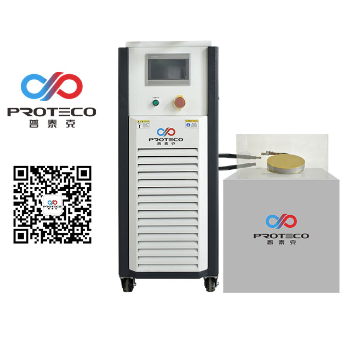
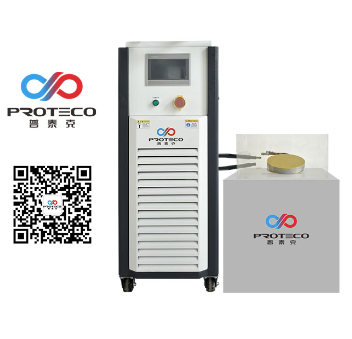
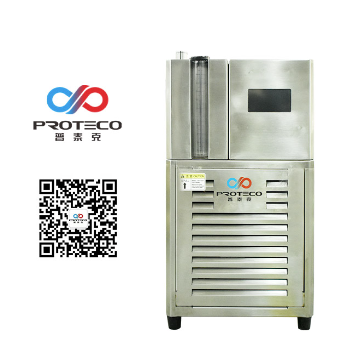
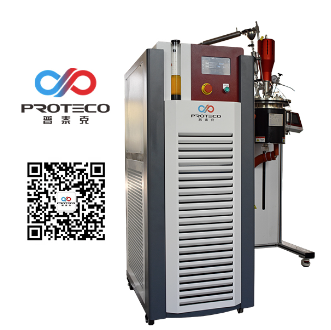
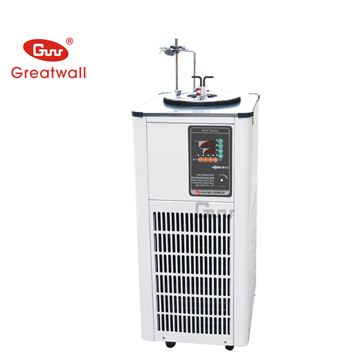
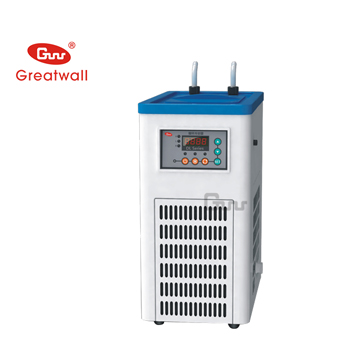
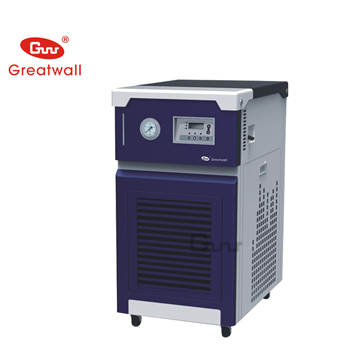
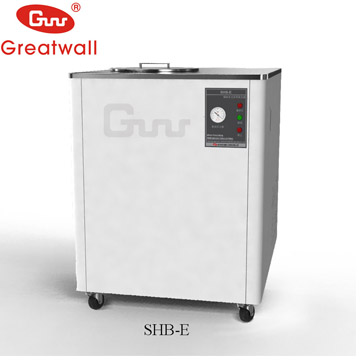
Product Description
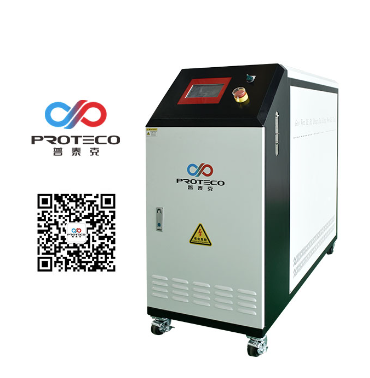
Typical application of products in chemical, pharmaceutical and biological fields Temperature control of double-layer reactor Distillation crystallization purification system Temperature control of high pressure reactor Temperature control of double-layer reactor Cold and heat source Dynamic constant temperature control of stirred tank Temperature control of microchannel reactor Cold and heat source constant temperature control of crystallization system Temperature control
AI Product Description
*The following content is generated by AI and is for reference only.
A precision liquid cooling system designed specifically for high-performance computing and semiconductor manufacturing environments serves as a critical infrastructure component. Unlike general-purpose chillers, these units are engineered to maintain extremely tight temperature stability, often within fractions of a degree Celsius, ensuring optimal operation of sensitive electronic components such as CPUs, GPUs, and laser diodes. The primary function is to remove excess heat generated during intensive processing or fabrication processes, preventing thermal throttling, equipment failure, or dimensional instability in microchip production lines.
These systems typically utilize advanced refrigeration cycles coupled with highly efficient pumps and filtration mechanisms to circulate deionized water or specialized dielectric fluids directly to the heat source. The fluid path must remain strictly free of contaminants; even microscopic particles can cause short circuits or clog microchannels in direct-to-chip cooling plates. Consequently, water quality monitoring and continuous filtration are mandatory operational requirements. Operators must adhere to strict leak detection protocols, as any fluid ingress into electrical assemblies can result in catastrophic damage.
Regular maintenance involves checking refrigerant levels, inspecting pump seals, and verifying the integrity of flow sensors. It is crucial to monitor pressure differentials across the system to detect early signs of blockage or pump degradation. Furthermore, the ambient environment surrounding the chiller must be kept clean and well-ventilated to ensure effective heat rejection from the condenser unit. Electrical safety is paramount, requiring proper grounding and surge protection due to the high power demands of compressors and circulation pumps.
In semiconductor applications, reliability is non-negotiable. A momentary temperature fluctuation can ruin an entire batch of wafers, leading to significant financial loss. Therefore, redundancy features like dual-compressor setups or backup cooling loops are often integrated into industrial designs. Users should always consult specific manufacturer guidelines regarding fluid compatibility and maximum operating pressures before installation. Proper commissioning procedures, including thorough flushing and degassing of the loop, are essential steps to guarantee long-term system performance and protect valuable manufacturing assets from thermal stress.




 (All Rights Reserved)