Product Description
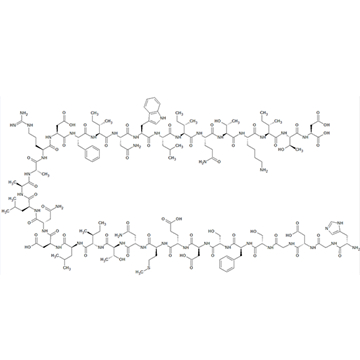
Teduglutide is a glucagon-like peptide-2 (GLP-2) analogue. In clinical studies, Teduglutide increased the growth, proliferation and repair of cells in the lining of the small intestine, and the increased number of cells was beneficial to intestinal absorption and reduced diarrhea.It also reduces gastric emptying and secretion.
AI Product Description
*The following content is generated by AI and is for reference only.
Teduglutide is a recombinant glucagon-like peptide-2 (GLP-2) analog designed to treat short bowel syndrome (SBS) in adult patients who require parenteral support. Developed by Takeda Pharmaceutical Company, this therapeutic agent functions as a potent growth factor for the intestinal mucosa. Its primary mechanism involves binding to GLP-2 receptors located on subepithelial myofibroblasts, which triggers downstream signaling pathways that promote enterocyte proliferation and inhibit apoptosis. Consequently, this action leads to significant villus hyperplasia, increased crypt depth, and enhanced surface area for nutrient absorption.
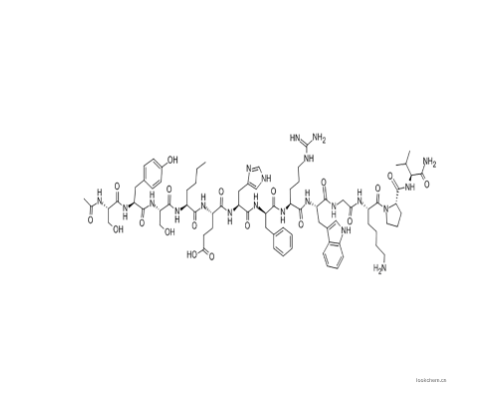
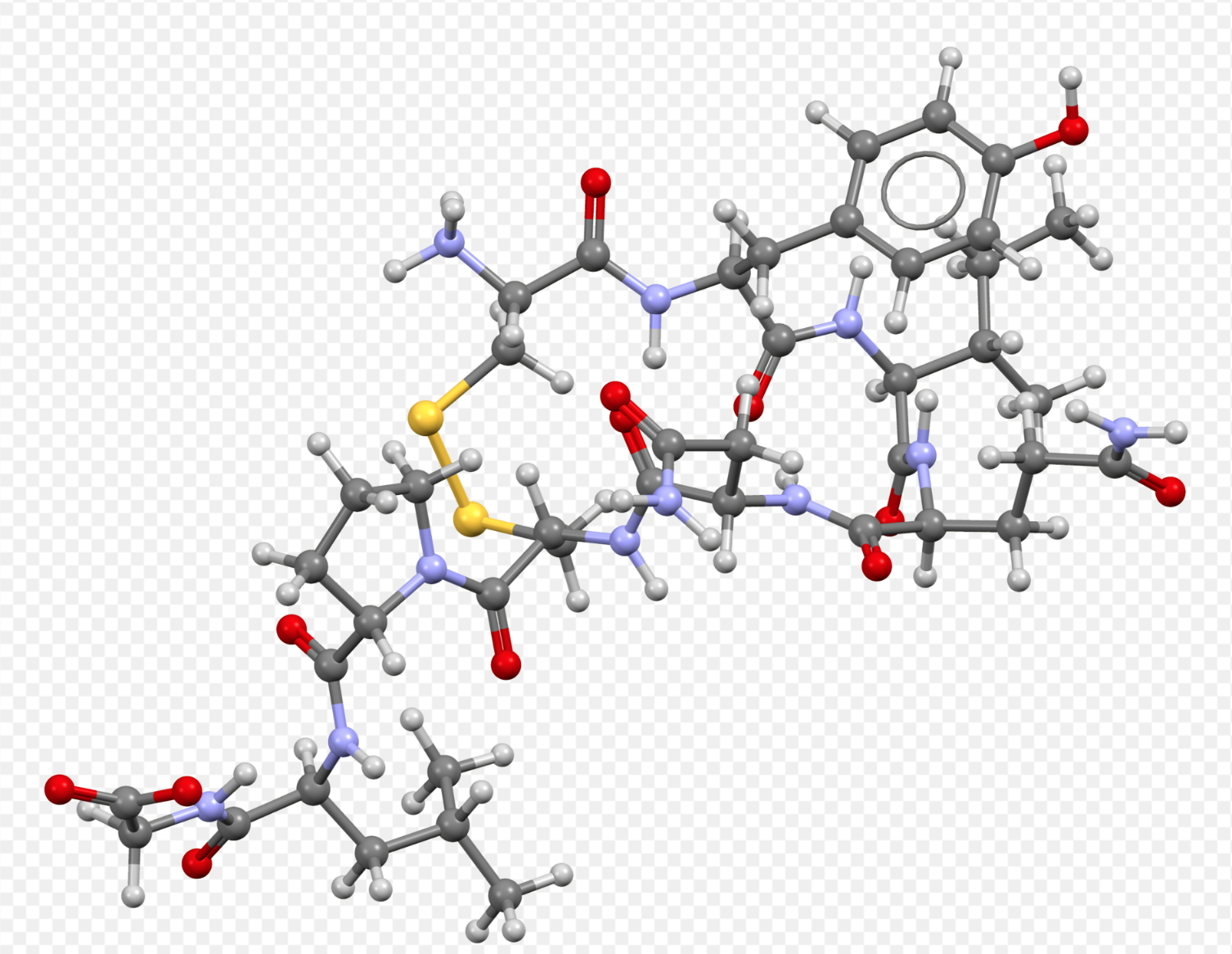
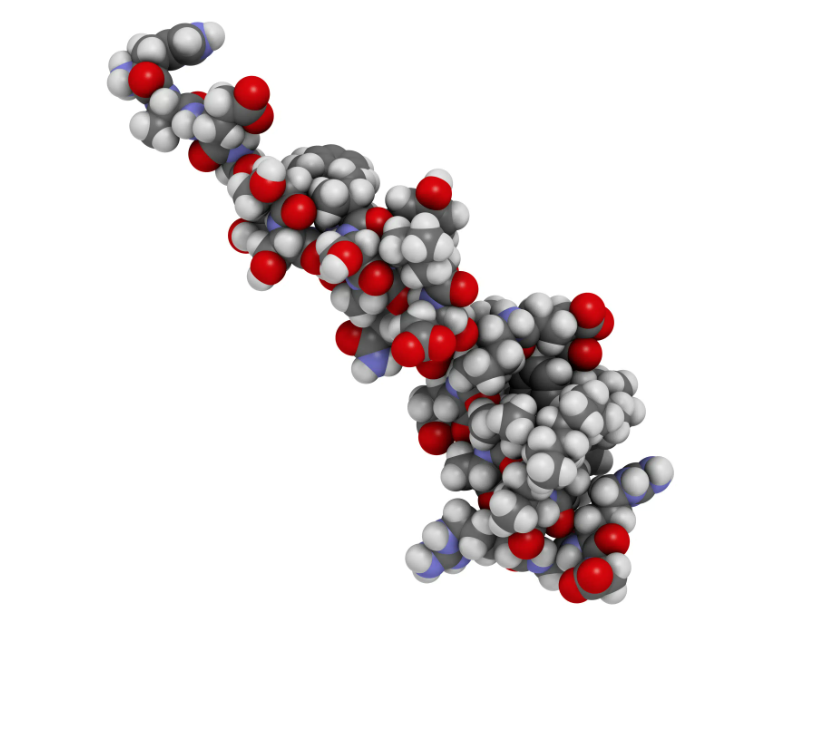
The molecular formula of Teduglutide is C153H240N46O49S4, with an approximate molecular weight of 3,478 g/mol. It corresponds to CAS Registry Number 412082-35-0. Structurally, it consists of 33 amino acids, featuring a specific modification where glycine at position 2 is replaced by alanine. This alteration extends its plasma half-life by reducing susceptibility to dipeptidyl peptidase-4 (DPP-4), allowing for once-daily subcutaneous administration. The drug is marketed under the brand name Revestive in Europe and other regions, while Gattex is used in the United States.
Clinically, Teduglutide has revolutionized the management of SBS, a condition resulting from extensive surgical resection of the small intestine. Patients suffering from this disorder often face life-threatening complications due to malabsorption, including severe dehydration, electrolyte imbalances, and dependence on total parenteral nutrition (TPN). By enhancing intestinal adaptation, Teduglutide enables many patients to reduce their TPN volume or discontinue it entirely, thereby improving quality of life and reducing healthcare costs associated with long-term intravenous therapy. Common side effects include abdominal pain, nausea, headache, and injection site reactions. While generally well-tolerated, there are concerns regarding potential risks of neoplasia, particularly in patients with a history of colorectal adenomas or malignancy, necessitating careful patient selection and ongoing monitoring during treatment.





 (All Rights Reserved)