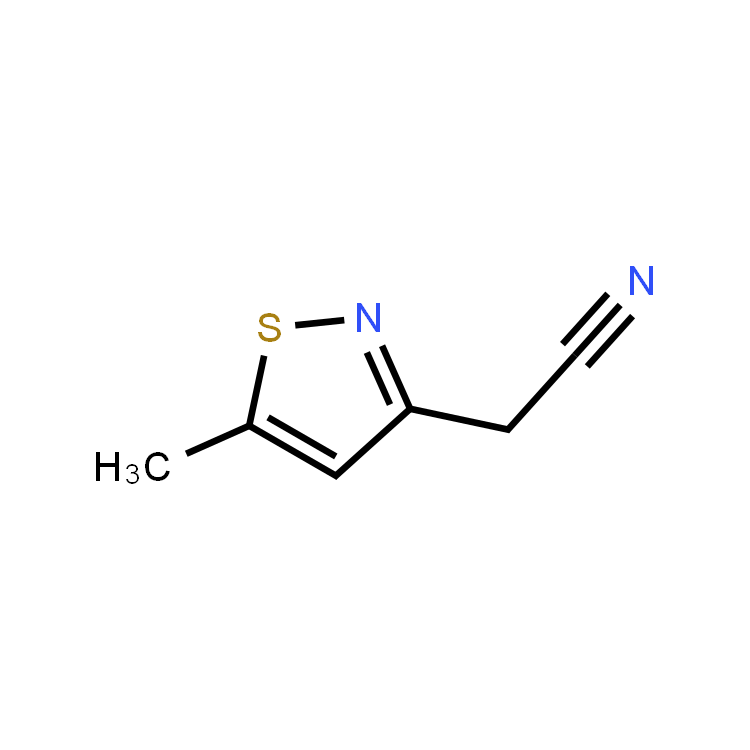
Product Description
Pharmaceutical
Raw Materials and Intermediates
AI Product Description
*The following content is generated by AI and is for reference only.
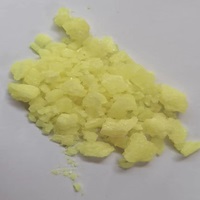
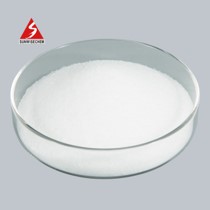
Tebuconazole is a widely utilized triazole fungicide belonging to the chemical class of demethylation inhibitors (DMIs). Its molecular formula is C16H22ClN3O, and it is identified by the CAS registry number 107534-96-3. This systemic fungicide acts primarily by inhibiting the biosynthesis of ergosterol, an essential component of fungal cell membranes, thereby disrupting membrane integrity and function which leads to the death of the pathogen.
Originally developed for agricultural protection, Tebuconazole has become a cornerstone in modern crop management due to its broad-spectrum efficacy against a diverse array of fungal diseases. It is particularly effective against Ascomycetes and Basidiomycetes, controlling critical pathogens such as rusts, powdery mildews, leaf spots, and head blights. The product is extensively applied on major cereal crops like wheat, barley, and rice, as well as on fruits, vegetables, nuts, and turfgrass. Its unique properties include both curative and protective actions; it can stop existing infections from spreading while also preventing new ones from establishing. Furthermore, Tebuconazole exhibits strong translaminar movement within plant tissues, ensuring long-lasting residual activity even under adverse weather conditions like rain.
Beyond agriculture, this compound finds applications in industrial settings, including the preservation of wood products and the treatment of leather to prevent mold and fungal decay. Its versatility allows for various application methods, ranging from seed treatments and foliar sprays to soil drenches. While highly effective, regulatory bodies worldwide enforce strict residue limits to ensure food safety and environmental protection. Despite these regulations, Tebuconazole remains one of the most valuable tools in the global fight against fungal threats, contributing significantly to maintaining high crop yields and ensuring food security for growing populations. Its balanced profile of efficacy, cost-effectiveness, and manageable resistance risks ensures its continued relevance in integrated pest management strategies across the globe.



 (All Rights Reserved)
![8,16-Diazadispiro[6.1.6.2]heptadecan-17-one](https://eimg.pharmasources.com/image/product/20250403/ca91cba8b87e53fc879f8d8764873a40jpg)
![6,8-Dioxo-5,7-diazaspiro[3.4]octane-2-carboxylic acid](https://eimg.pharmasources.com/image/product/20250403/02effeb5a7639bc84ff1f3add3c0c64fjpg)
![8-Oxa-1,3-diazaspiro[4.5]decane-2,4-dione](https://eimg.pharmasources.com/image/product/20250403/60fa7223d5a34f24138486ceea0ffb15jpg)