Product Description
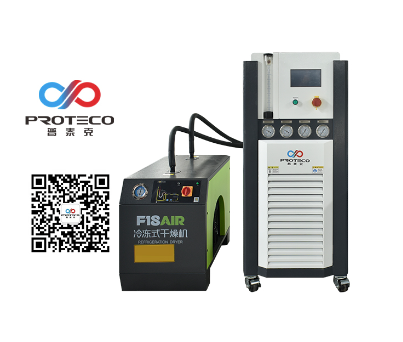
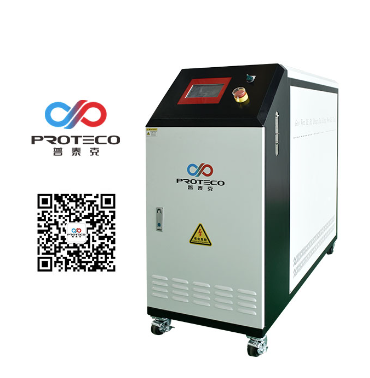
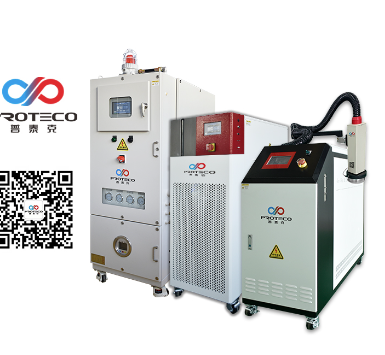
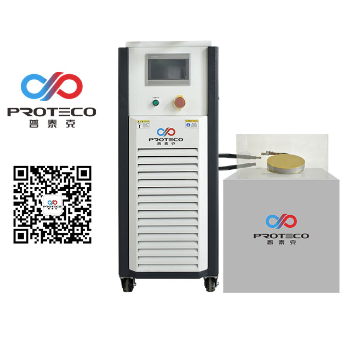
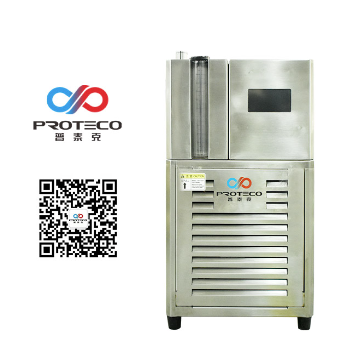
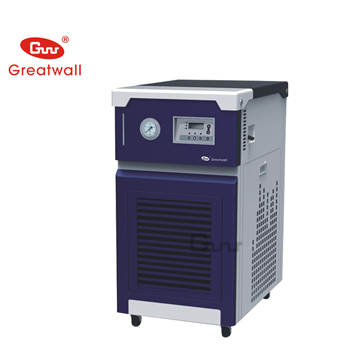
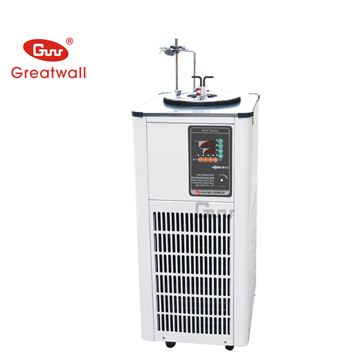
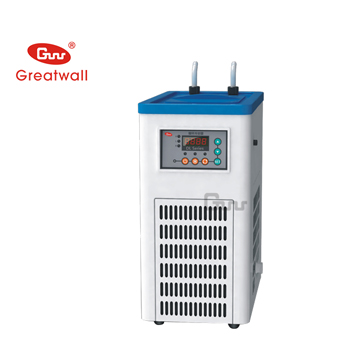
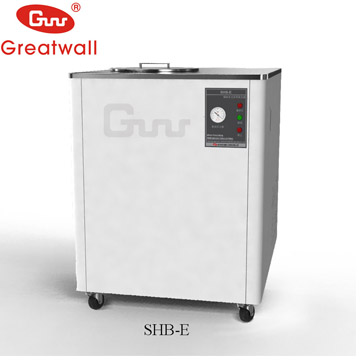
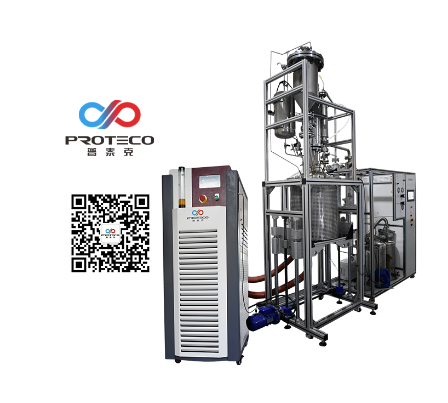
TCU temperature control system is equipped with advanced pump technology to optimize heat transfer, adjustable pump to ensure liquid circulation and high flow rate, effectively prevent glass reaction kettle from being damaged due to soft start, prolong the service life of heat transfer oil, and sealed hydraulic system to prevent heat transfer oil from oxidizing.
AI Product Description
*The following content is generated by AI and is for reference only.
This advanced thermal management unit is engineered to maintain precise temperature stability for high-performance electronic components, industrial machinery, and sensitive laboratory equipment. Its primary function involves regulating fluid or air flow to dissipate excess heat generated during operation, thereby preventing overheating, ensuring optimal efficiency, and extending the lifespan of connected hardware. By utilizing sophisticated feedback loops and adaptive algorithms, the system dynamically adjusts cooling capacity based on real-time load demands, making it ideal for applications ranging from data center servers to medical imaging devices and automotive testing rigs.
The device features a robust construction designed to withstand harsh environmental conditions, including dust, moisture, and vibration. It typically incorporates redundant sensors and fail-safe mechanisms that trigger immediate alerts or automatic shutdowns in case of anomalies, such as coolant leaks or pump failures. Users must ensure that the installation environment provides adequate ventilation to facilitate proper heat exchange and prevent recirculation of warm air. Regular maintenance is critical; this includes inspecting filters for blockages, checking fluid levels for purity and volume, and verifying the integrity of seals and hoses to avoid contamination or pressure loss.
Operationally, the system should only be engaged within its specified ambient temperature and humidity ranges to guarantee performance accuracy. It is imperative to follow strict electrical safety protocols during setup, ensuring all connections are grounded and voltage levels match manufacturer specifications. Avoid exposing the unit to direct sunlight or corrosive chemicals, which could degrade external materials and compromise internal electronics. Furthermore, do not attempt to modify internal settings without authorized technical support, as unauthorized adjustments may void warranties or lead to system instability. When transporting or storing the unit, secure all moving parts and drain fluids if required by seasonal guidelines. Adhering to these operational standards ensures reliable thermal regulation, minimizes downtime, and maximizes energy efficiency across diverse industrial and commercial sectors.




 (All Rights Reserved)