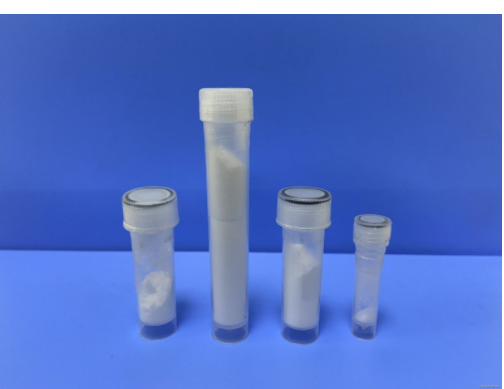
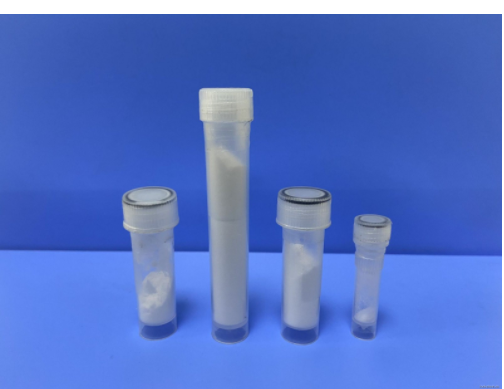
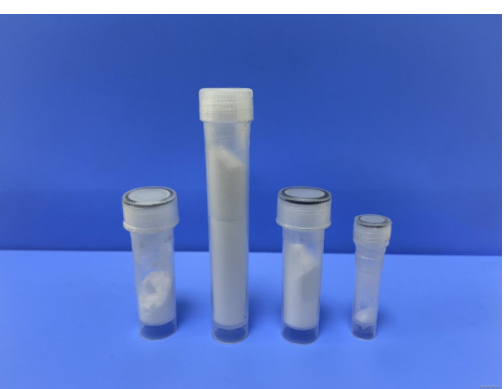
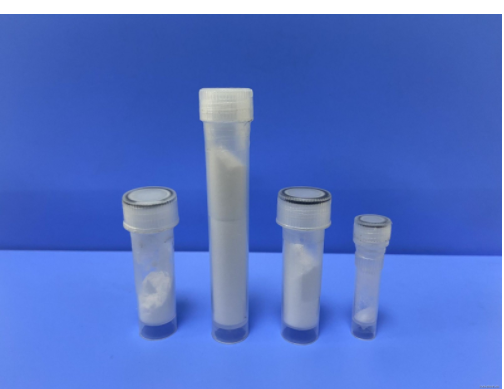
Product Description
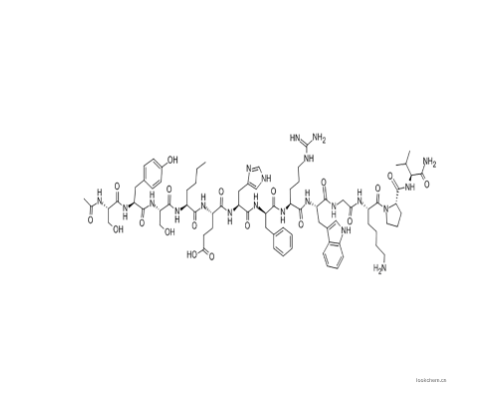
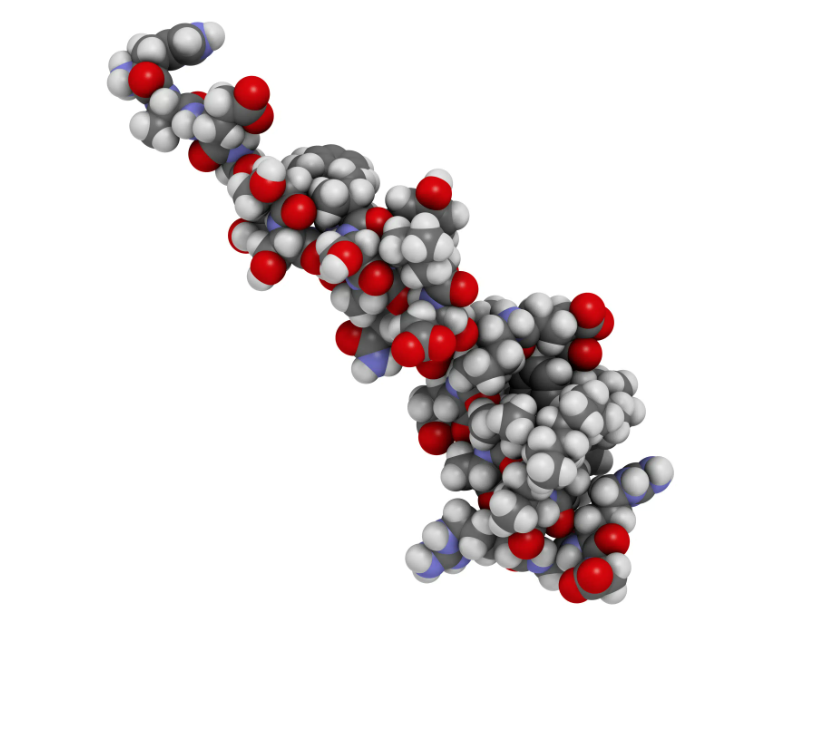
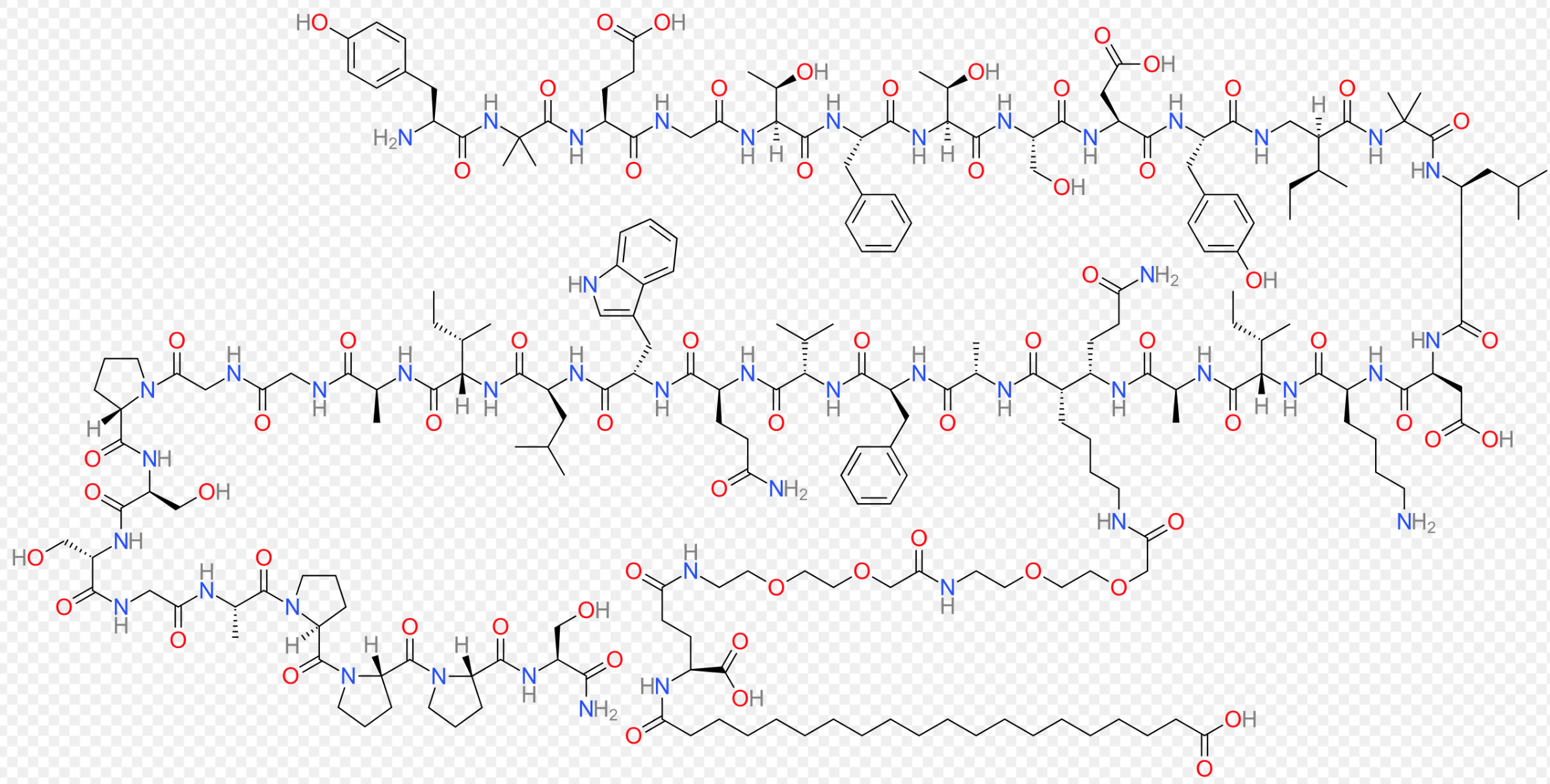
Syntide 2 (TFA) is a calcium ion and calmodulin (CaM) dependent protein kinase II (CaMKII) substrate peptide, which is a 15 amino acid peptide. Syntide 2 (TFA) can selectively inhibit the gibberellin (GA) response, leaving the composition and abscisic acid regulation events unaffected.
AI Product Description
*The following content is generated by AI and is for reference only.
Syntide 2 (TFA) is a highly potent, cell-permeable synthetic peptide designed specifically to inhibit the catalytic activity of protein kinase C (PKC). Chemically known as N-acetyl-Lys-Asp-Glu-Phe-Ile-His-Leu-Arg-Gln-Thr-Val-Ser-NH2, this molecule serves as a critical tool in biochemical research for dissecting PKC-mediated signaling pathways. The trifluoroacetic acid (TFA) salt form ensures high solubility in aqueous buffers, making it ideal for both in vitro assays and cellular studies where precise inhibition is required without the interference of endogenous regulatory subunits.
The primary application of Syntide 2 lies in its ability to act as a competitive substrate analog that selectively targets the catalytic domain of various PKC isoforms. Unlike broad-spectrum inhibitors, Syntide 2 offers remarkable specificity, allowing researchers to distinguish between different PKC families involved in complex physiological processes such as cell proliferation, differentiation, apoptosis, and immune response modulation. Its utility extends to drug discovery programs aiming to develop novel therapeutics for cancers, cardiovascular diseases, and neurological disorders where aberrant PKC activation plays a pivotal role. By effectively blocking PKC activity, scientists can elucidate downstream signaling events and validate potential drug targets with greater confidence.
In laboratory settings, Syntide 2 is routinely employed in kinase assays, phosphorylation studies, and screening campaigns to evaluate the efficacy of new small-molecule inhibitors. Its short amino acid sequence and optimized structure facilitate rapid cellular uptake, enabling real-time observation of PKC inhibition dynamics within living systems. Furthermore, the TFA counterion enhances stability and purity, ensuring reproducible experimental results across diverse biological models. As a fundamental reagent in molecular biology, Syntide 2 continues to bridge the gap between basic mechanistic understanding and translational medicine, providing indispensable insights into the regulation of one of the most important enzyme families in human physiology. Researchers worldwide rely on this compound to advance our comprehension of signal transduction networks and to accelerate the development of targeted therapies for PKC-related pathologies.





 (All Rights Reserved)