Product Description
Welcome to wellgreen's store on CPHI Platform.We are a professional production of plant herbal extract powder products source factory, with advanced production technology and equipment, team members are from the industry's elite talent. For the purpose of sustainable development, we actively explore and promote the application of plant extract in life, to provide consumers with high-quality, healthy and safe products.
AI Product Description
*The following content is generated by AI and is for reference only.
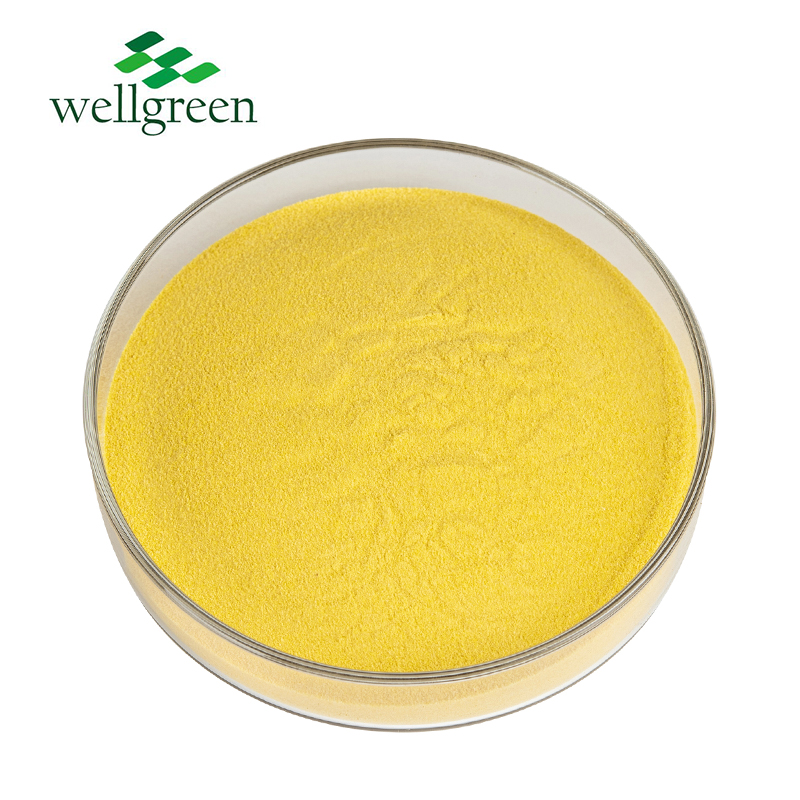
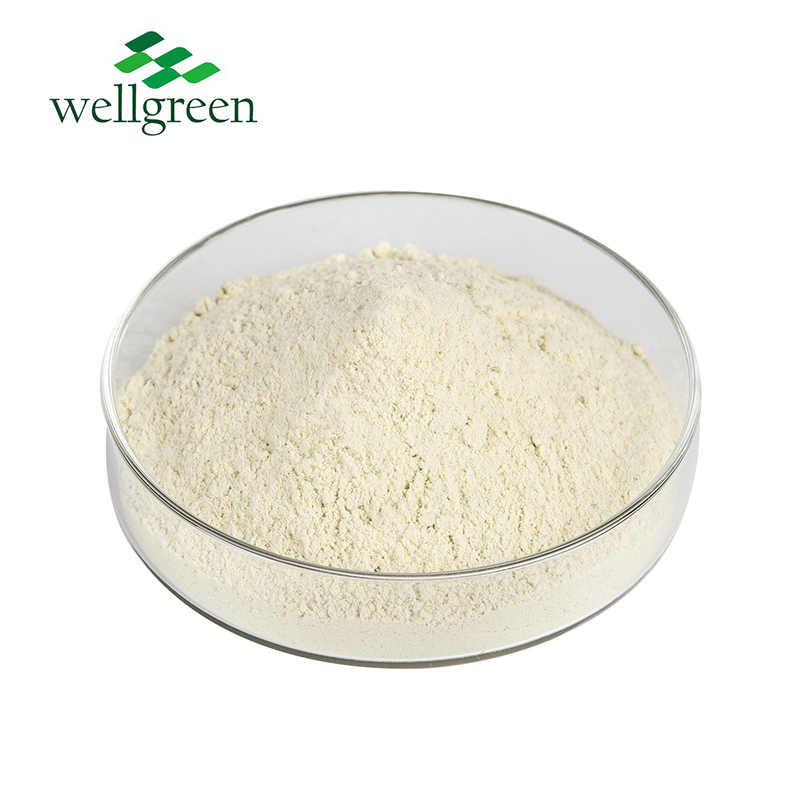
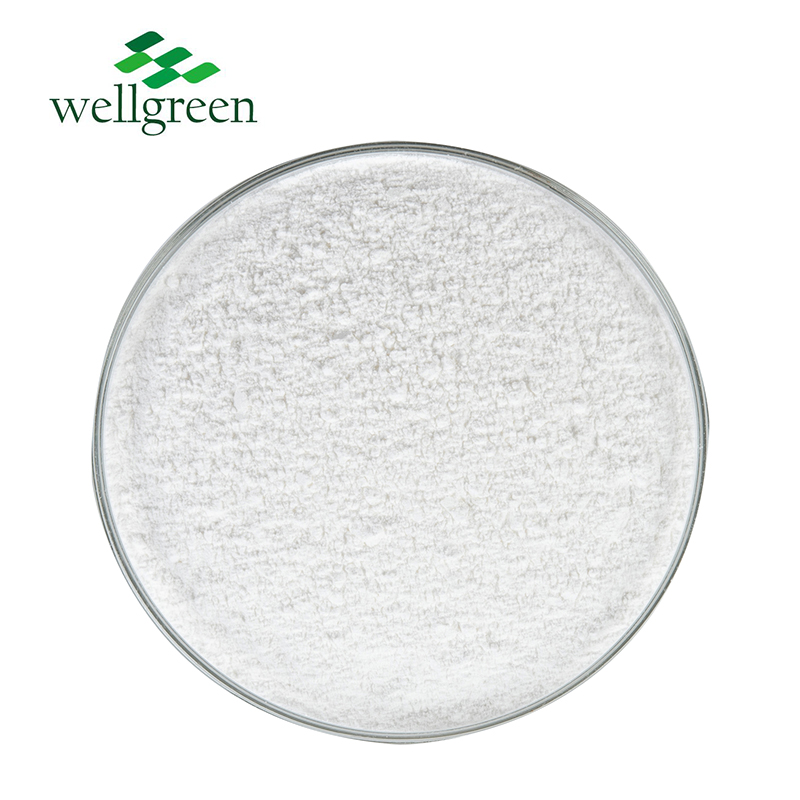
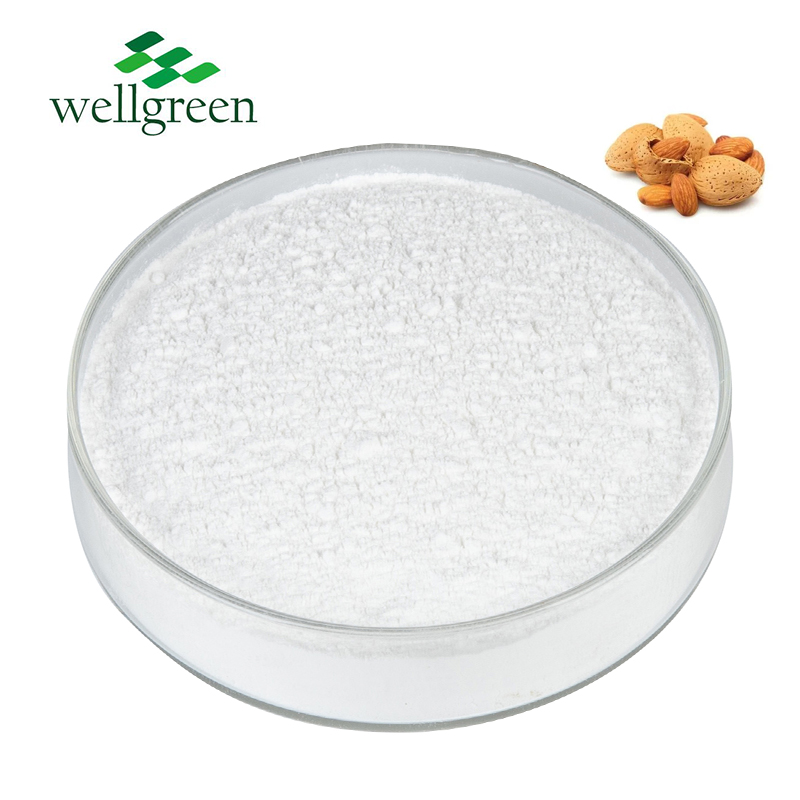
Sweet Bitter Amygdalin, often marketed under the controversial name Vitamin B17, is a naturally occurring cyanogenic glycoside found in the seeds of various fruits, including bitter almonds, apricots, and peaches. Its chemical identity is primarily associated with amygdalin itself, which has the molecular formula C20H27NO11 and a CAS number of 29883-15-6. While commercial listings sometimes reference "Leatril" or specific purity grades like 98% powder mixed with milk flour or almond extract, these are frequently marketing terms rather than standard pharmaceutical designations for pure amygdalin. The product description provided suggests a blend where amygdalin constitutes a significant portion, potentially alongside other components to mask its intensely bitter taste or to serve as a dietary supplement carrier.
In scientific contexts, amygdalin functions as a precursor that can release hydrogen cyanide upon enzymatic hydrolysis within the human body. Historically, proponents have promoted it as an alternative cancer treatment, claiming it selectively targets malignant cells while sparing healthy tissue. However, extensive clinical research by major health organizations, including the FDA and the American Cancer Society, has consistently debunked these claims. There is no robust evidence supporting its efficacy in treating cancer, and its use poses severe safety risks. Ingestion can lead to acute cyanide poisoning, resulting in symptoms ranging from nausea and headache to respiratory failure and death. Consequently, regulatory agencies worldwide have banned amygdalin for therapeutic use in humans.
Current applications of amygdalin are largely restricted to industrial flavoring agents in minute quantities or as a botanical extract in non-ingestible cosmetic formulations, though even these uses are strictly regulated due to toxicity concerns. The presence of additives like milk flour or almond extract in such products does not mitigate the inherent dangers of the active compound. Consumers should exercise extreme caution and avoid purchasing or consuming any product labeled as "Vitamin B17" or high-purity amygdalin powder, as the potential for life-threatening toxicity far outweighs any unproven health benefits. Medical consensus strongly advises against its use, emphasizing that safe and effective cancer treatments rely on established medical protocols rather than unverified natural supplements.





 (All Rights Reserved)