Product Description
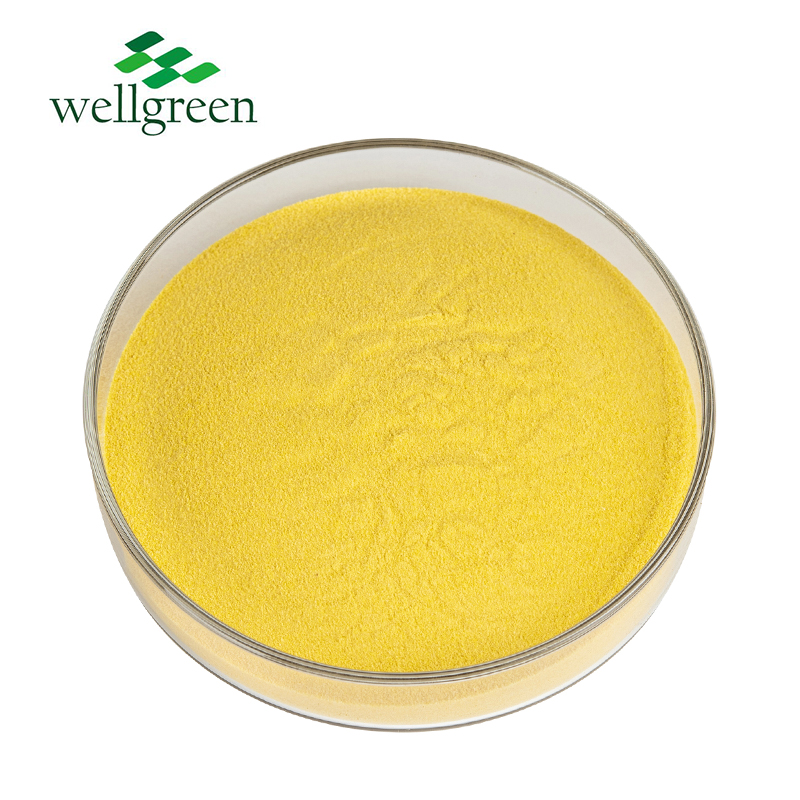
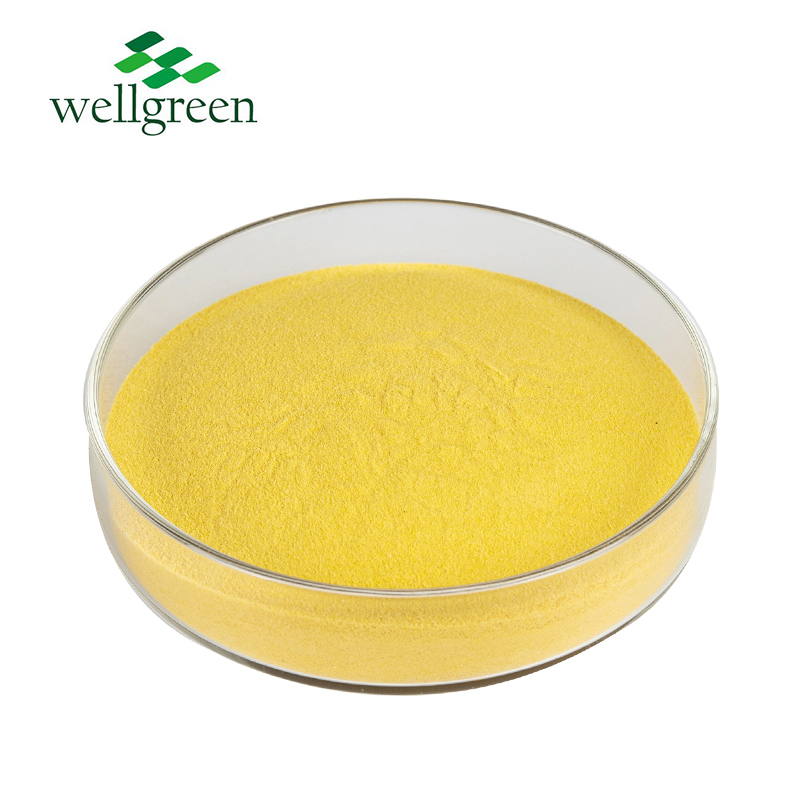
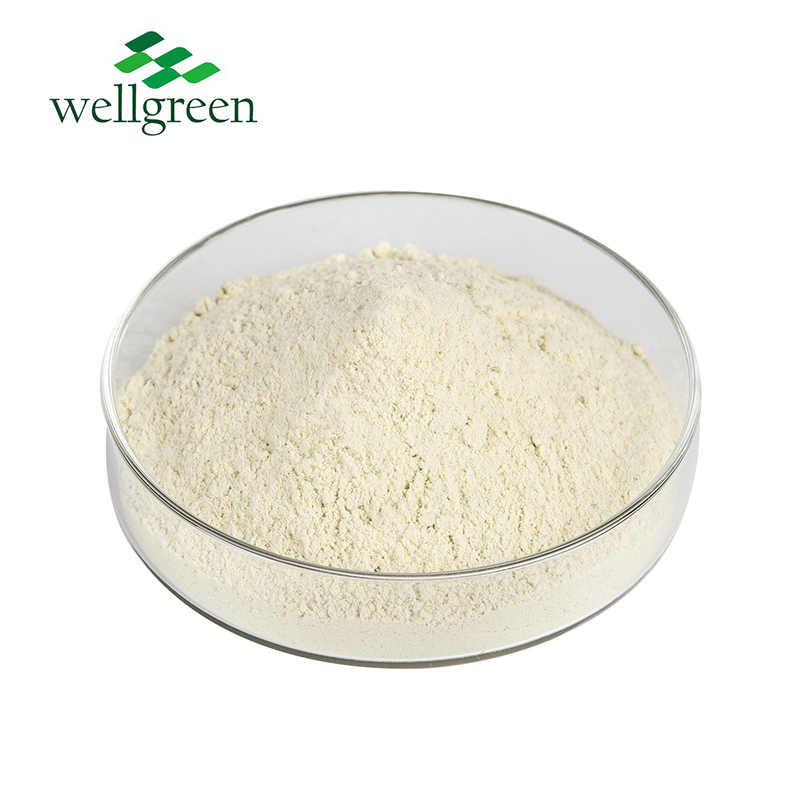
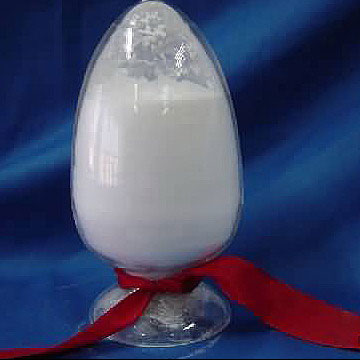
Appearence:Yellow crystalline powder
Molecular Formula:C20H28O2
Molecular Weight:300.4
Ref Standard:USP36
Application:in medicine;used as nutrition fortifier in nutraceutical,food and cosmetic products.
Packaging:500g/Alu-bag,12.5Kg/Drum.
Storage and Shelf Life:Store in Cool& dry place,keep away from strong light and heat.24 months when properly stored.
AI Product Description
*The following content is generated by AI and is for reference only.
Tretinoin, chemically known as all-trans retinoic acid (ATRA), is a potent derivative of vitamin A widely utilized in dermatology and oncology. Its molecular formula is C₂₀H₂₈O₂, and it carries the CAS registry number 302-79-4. This compound acts as a crucial signaling molecule that regulates cell growth, differentiation, and apoptosis by binding to nuclear retinoic acid receptors. In the field of dermatology, Tretinoin is primarily prescribed for the treatment of acne vulgaris and photoaging. It functions by accelerating epidermal turnover, preventing the clogging of hair follicles with keratin and sebum, and stimulating collagen production to reduce fine lines, wrinkles, and hyperpigmentation. The drug is typically formulated into topical creams, gels, or lotions, though its stability requires careful storage away from light and heat due to rapid degradation upon exposure. Beyond cosmetic applications, Tretinoin holds a life-saving role in hematology as the first-line therapy for acute promyelocytic leukemia (APL). In this context, it induces the differentiation of malignant promyelocytes into mature granulocytes, effectively halting uncontrolled cell proliferation. While highly effective, Tretinoin use is associated with potential side effects such as skin irritation, redness, peeling, and photosensitivity, necessitating strict sun protection measures. Systemic administration can lead to more severe reactions like pseudotumor cerebri or hepatotoxicity, requiring rigorous medical supervision. Despite these risks, its dual efficacy in treating both common skin conditions and aggressive blood cancers underscores its significance in modern medicine. Ongoing research continues to explore its potential in other areas, including cancer prevention and tissue regeneration, solidifying its status as a cornerstone therapeutic agent. Patients must adhere to prescribed dosages and application protocols to maximize benefits while minimizing adverse reactions, ensuring safe and effective management of various dermatological and hematological disorders.