Product Description
The chamfering design of bottle mouth and cap has been strictly tested to ensure no liquid leakage;
No DNA / RNA enzyme, no heat source and no endotoxin, meeting USP class VI standard;
Recommended Operating temperature: PET:- 70 ℃ ~ 120 ℃, PETG: - 60 ℃~82 ℃b
AI Product Description
*The following content is generated by AI and is for reference only.
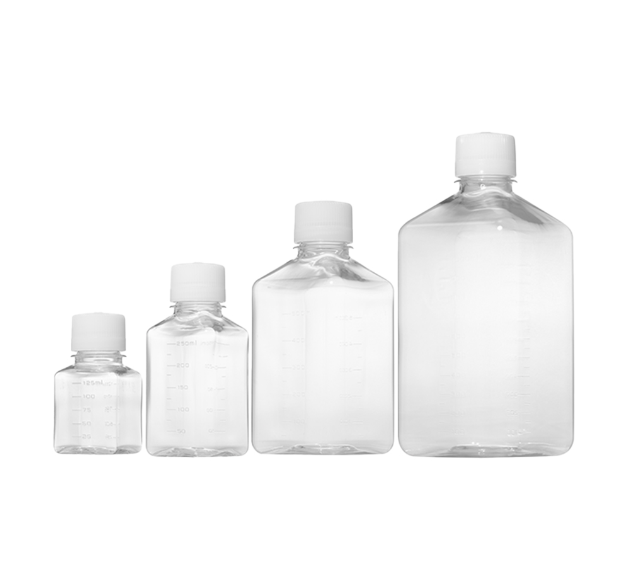
These square-shaped, 125ml sterilized containers are crafted from high-quality polyethylene terephthalate (PET), offering a robust and lightweight solution for storing a wide variety of liquids and semi-solids. Their distinctive geometric design not only provides an elegant aesthetic for modern packaging but also ensures efficient space utilization during storage and transportation, reducing waste in logistics operations. The material itself is renowned for its clarity, allowing users to easily identify contents at a glance, while maintaining excellent barrier properties against moisture and gases to preserve product integrity over time.
Primarily utilized across the pharmaceutical, cosmetic, food and beverage, and laboratory sectors, these bottles serve as ideal vessels for samples, reagents, essential oils, lotions, sauces, and small-volume liquid medications. Being pre-sterilized, they arrive ready for immediate use in environments requiring strict hygiene standards, significantly minimizing contamination risks without the need for additional cleaning cycles prior to filling. This feature makes them particularly valuable for sterile compounding, clinical trials, and sensitive biological applications where purity is paramount.
When handling these containers, it is crucial to observe specific safety guidelines to ensure optimal performance and user safety. Although PET is generally resistant to many chemicals, exposure to strong solvents or extreme temperatures should be avoided to prevent deformation or chemical leaching. Users must ensure that the intended contents are compatible with the polymer before filling. Additionally, while the bottles are designed for single-use in many sterile applications, if reuse is considered, rigorous sanitization protocols must be followed, though this may compromise the original sterility certification. Proper sealing is essential; always verify that caps or closures are tightly secured to prevent leakage and maintain the internal environment. For disposal, these units should be recycled according to local plastic recycling regulations to support environmental sustainability. By adhering to these usage parameters, professionals can maximize the utility and reliability of these versatile storage solutions in their respective industries.





 (All Rights Reserved)