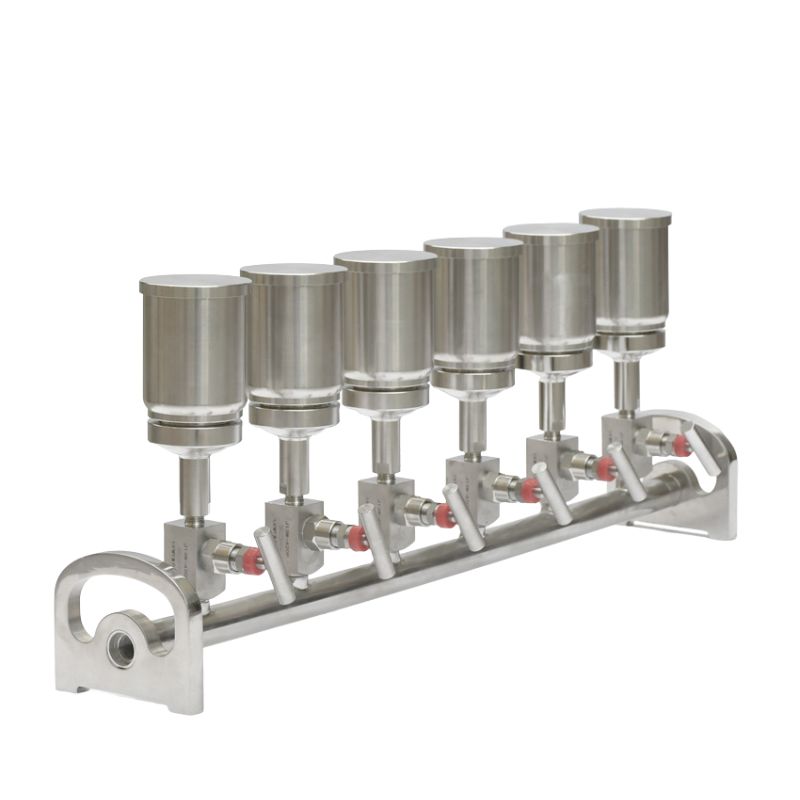
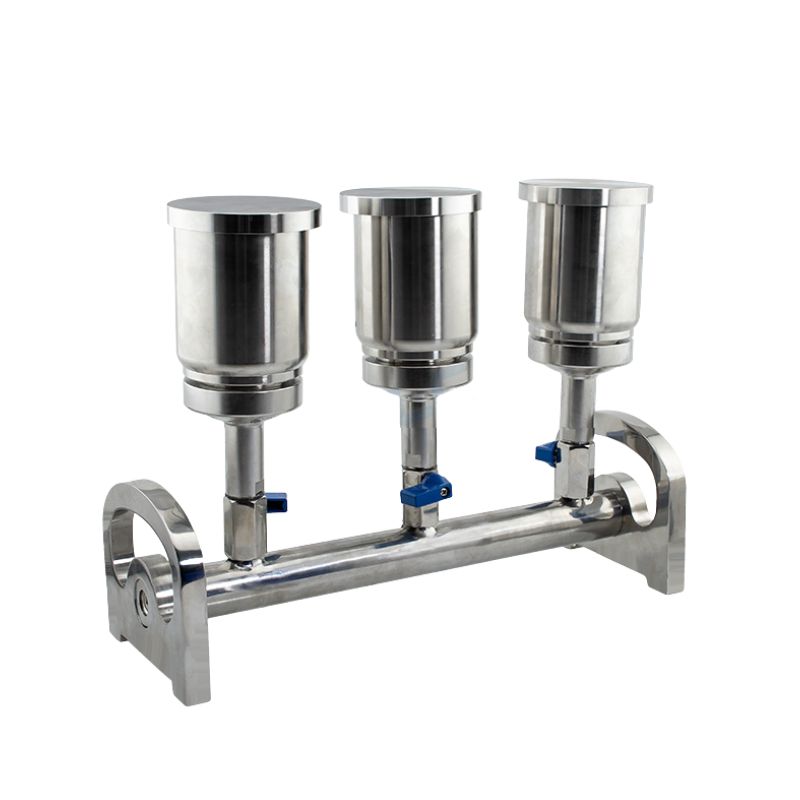
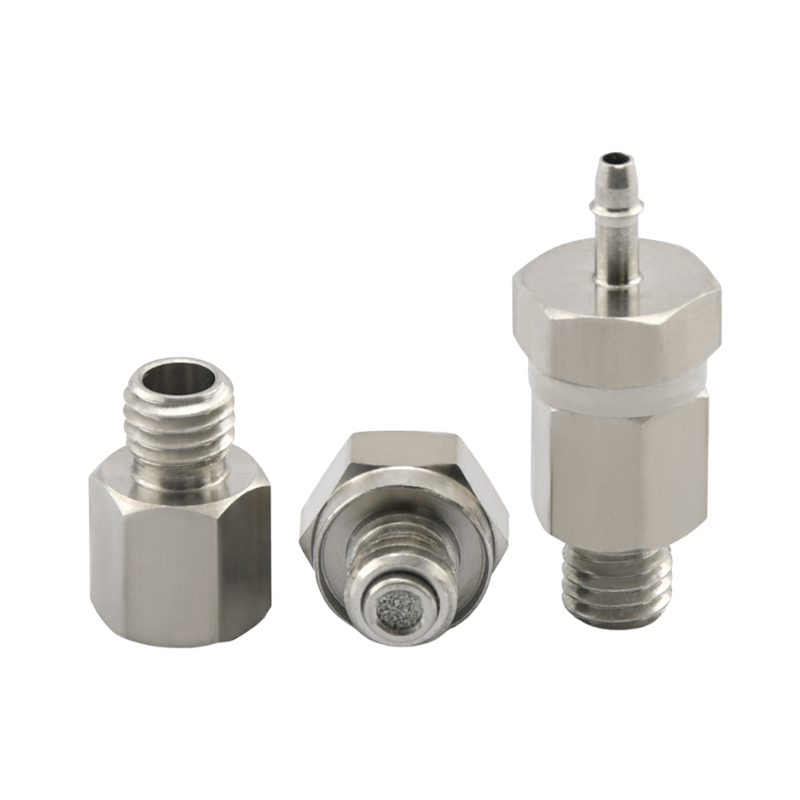
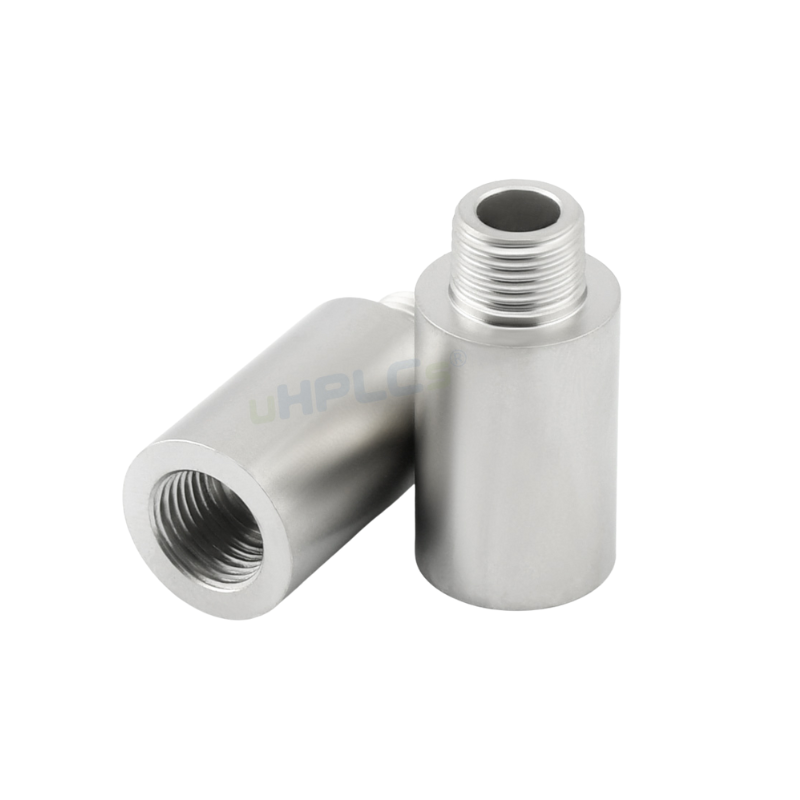
Product Description
It is used to pick colonies during bacterial culture and perform inoculation operations. It is widely used in many disciplines suchas microbial detection, cellular microorganisms, and molecular biology.
AI Product Description
*The following content is generated by AI and is for reference only.
The T-shaped sterile spreader is a fundamental instrument widely utilized in clinical, laboratory, and veterinary settings for the precise application of topical agents. Primarily designed to facilitate uniform distribution, this tool ensures that creams, ointments, antiseptics, or disinfectants are applied evenly across skin surfaces, wound beds, or culture plates without contamination. Its distinctive T-shape provides an ergonomic handle that allows medical professionals to maintain optimal control while minimizing hand fatigue during prolonged procedures. The flat, smooth spreading surface is engineered to glide gently over sensitive tissues, reducing the risk of mechanical trauma to damaged skin or delicate biological samples.
In surgical environments, these instruments play a critical role in preparing incision sites by spreading pre-operative solutions effectively. In microbiology laboratories, they are indispensable for streaking agar plates to isolate bacterial colonies, ensuring accurate diagnostic results. The device is typically constructed from high-grade stainless steel or durable, single-use plastic materials. Stainless steel versions offer reusability after rigorous sterilization, whereas disposable variants eliminate cross-contamination risks entirely, making them ideal for isolation wards or field treatments where sterilization facilities are limited.
Strict adherence to safety protocols is essential when utilizing this equipment. For reusable models, thorough cleaning and autoclaving between uses are mandatory to prevent infection transmission. Disposable units must be discarded immediately after a single use into designated biohazard containers. Users should always inspect the spreader tip for any burrs, cracks, or deformities before application, as even minor imperfections can cause patient discomfort or compromise sample integrity. Furthermore, operators must ensure the product remains within its sterile packaging until the moment of use to maintain aseptic conditions. Proper handling techniques involve using gentle pressure to avoid tissue abrasion. By adhering to these guidelines, healthcare providers can maximize therapeutic efficacy while upholding the highest standards of patient safety and hygiene in diverse medical applications.






 (All Rights Reserved)