Product Description
Welcome to wellgreen's store on CPHI Platform.We are a professional production of plant herbal extract powder products source factory, with advanced production technology and equipment, team members are from the industry's elite talent. For the purpose of sustainable development, we actively explore and promote the application of plant extract in life, to provide consumers with high-quality, healthy and safe products.
AI Product Description
*The following content is generated by AI and is for reference only.
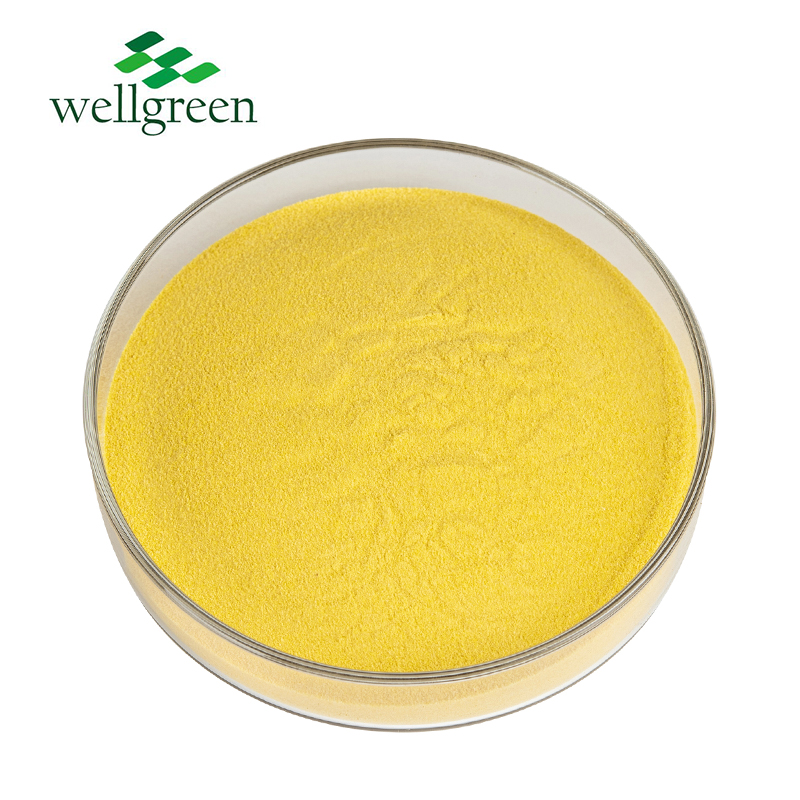
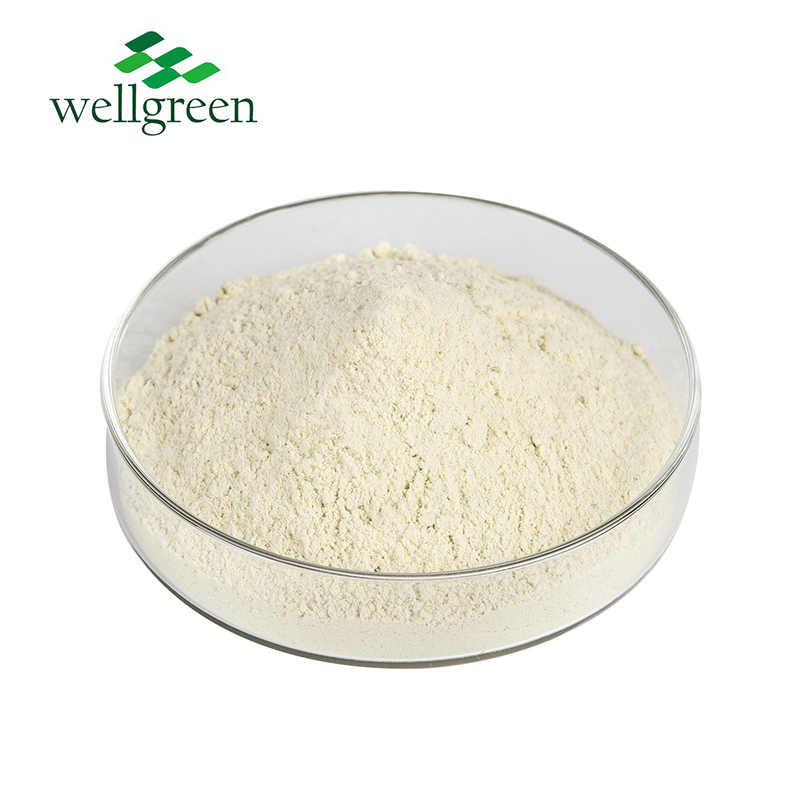
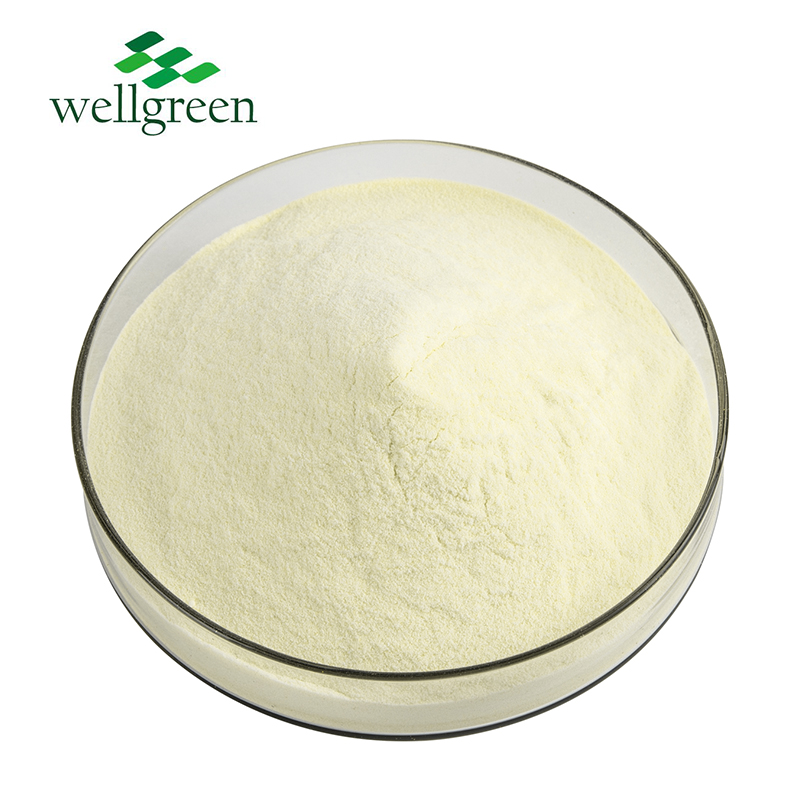
Soybean Lecithin, chemically known as E322 in food additive classifications, is a complex mixture of phospholipids derived from soybeans. While it does not possess a single unique molecular formula due to its natural variability, its primary components include phosphatidylcholine (PC), phosphatidylethanolamine (PE), and phosphatidylserine (PS). The most common CAS number associated with commercial soy lecithin is 8002-43-5, though specific fractions may have distinct identifiers. This substance typically appears as a yellowish-brown waxy solid or a viscous liquid, depending on the degree of processing and moisture content.
Functionally, soy lecithin serves as a versatile emulsifier, stabilizer, and release agent across multiple industries. In the food sector, it is indispensable for preventing separation in chocolate, margarine, and salad dressings, ensuring smooth textures and extended shelf life. Its ability to reduce viscosity makes it a critical component in baking applications, where it improves dough handling and volume. Beyond nutrition, pharmaceutical formulations utilize high-purity soy lecithin as a carrier for injectable drugs and vitamin supplements, leveraging its biocompatibility to enhance drug delivery systems. It is also widely employed in industrial coatings and adhesives to improve flow properties.
Although often marketed alongside terms like "liquid powder" or "GMP certified," these descriptors refer to physical forms and manufacturing standards rather than chemical variations. GMP certification ensures that the product meets rigorous quality control protocols suitable for human consumption and medical use. As a plant-based ingredient, soy lecithin is generally recognized as safe (GRAS) by regulatory bodies globally. Its role extends to cosmetic formulations, where it acts as an emollient and skin conditioner. With increasing demand for clean-label ingredients, refined soy lecithin remains a cornerstone in modern formulation science, bridging the gap between natural sourcing and industrial performance requirements.





 (All Rights Reserved)