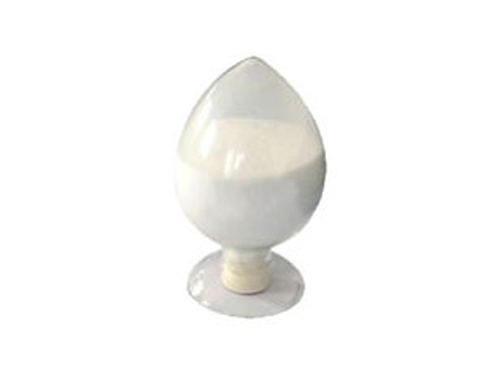
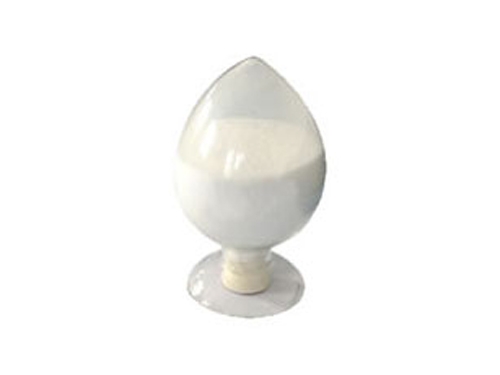
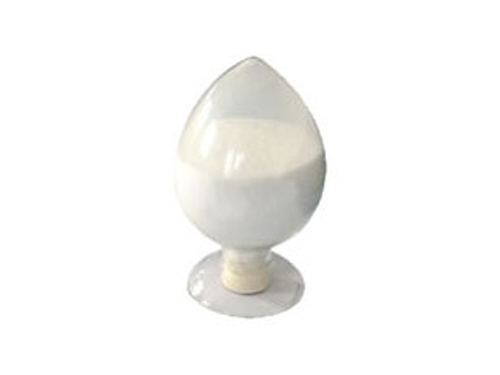
Main function: protecting liver
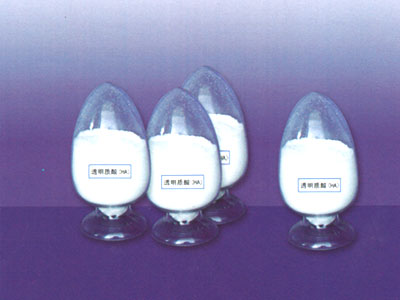
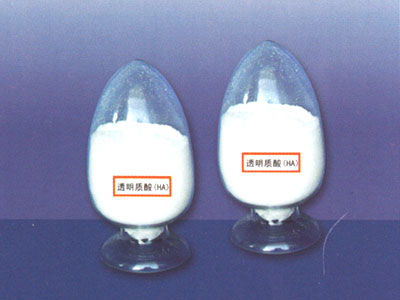
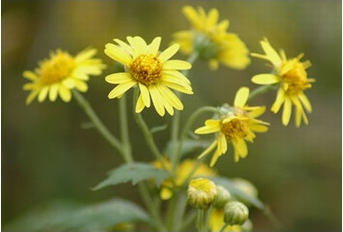
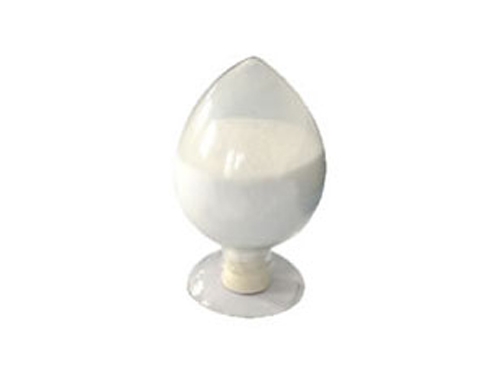
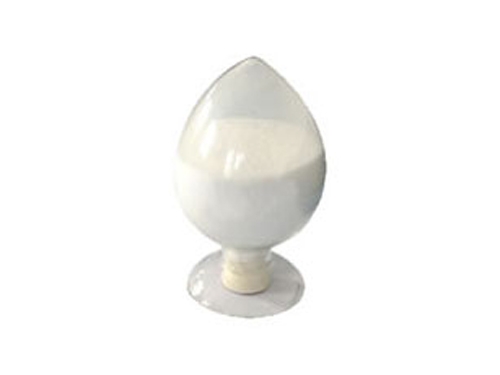
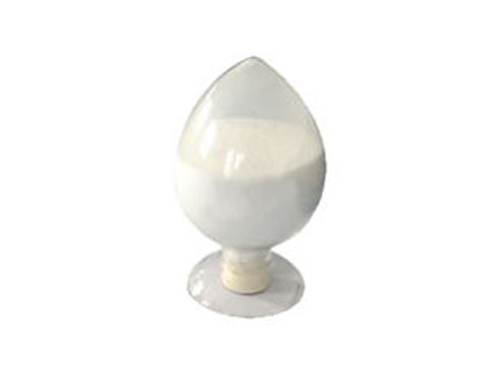
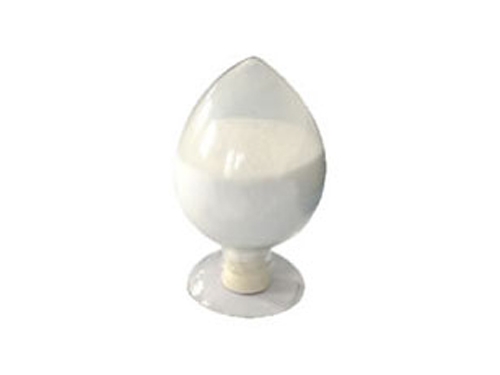
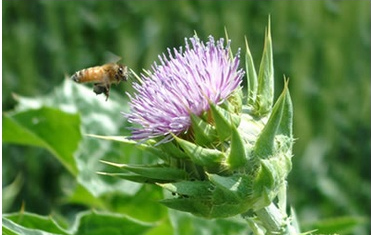
This product is the fruit of silybium marianum (L) gaentem, a Compositae plant. It is a kind of white light yellow powder obtained by extraction, concentration and refining. It is odorless, tasteless, slightly soluble in acetone, very slightly soluble in methyl alcohol, and almost insoluble in water, chloroform or n-hexane.
*The following content is generated by AI and is for reference only.
Silibinin, also known as silybin or silibin, is the primary bioactive flavonolignan constituent of the milk thistle plant (Silybum marianum). With the molecular formula C₂₅H₂₂O₁₀ and CAS number 22888-70-6, this compound belongs to the class of diastereoisomers, typically existing as a mixture of silybin A and silybin B. It has garnered significant attention in both traditional medicine and modern pharmacological research due to its potent hepatoprotective properties.
Historically used for centuries to treat liver disorders, Silibinin functions primarily by stabilizing hepatocyte membranes and inhibiting the entry of toxins into liver cells. Its mechanism of action involves the scavenging of free radicals, thereby reducing oxidative stress which is a key factor in liver damage caused by alcohol, drugs, or environmental pollutants. Furthermore, it stimulates protein synthesis within the liver, promoting regeneration of damaged tissue. Beyond liver health, emerging studies suggest potential anti-inflammatory, antiviral, and anticancer activities, particularly against hepatitis C virus replication and various carcinoma cell lines.
In clinical applications, Silibinin is widely available as a dietary supplement or pharmaceutical agent, often formulated with phospholipids to enhance its notoriously low oral bioavailability. It is frequently prescribed for conditions such as alcoholic liver disease, non-alcoholic fatty liver disease, toxin-induced liver injury, and as an adjunct therapy in viral hepatitis. Despite its therapeutic promise, researchers continue to optimize delivery systems to improve absorption rates. While generally considered safe with minimal side effects like mild gastrointestinal distress, dosage should be managed carefully under medical supervision. As a natural product with a robust safety profile, Silibinin remains a cornerstone in the management of hepatic diseases and a subject of ongoing investigation for broader oncological and metabolic applications, bridging the gap between herbal tradition and evidence-based medicine.



 (All Rights Reserved)