Category:
Nutrition & Health Product Raw Materials
Standard:
In-house Standards,

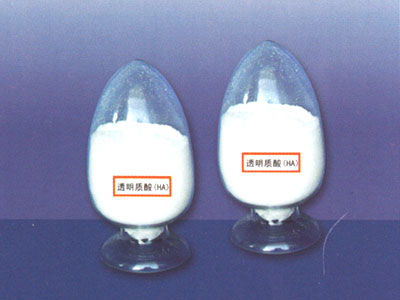
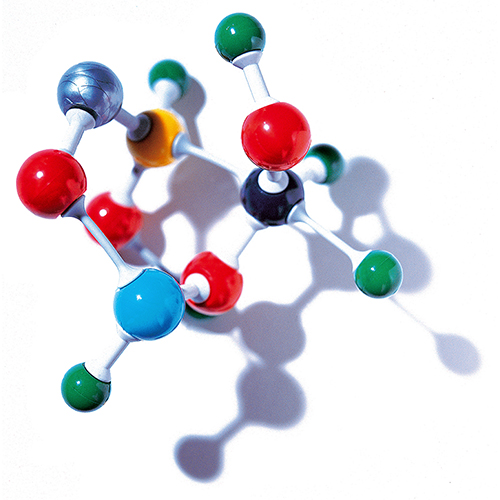
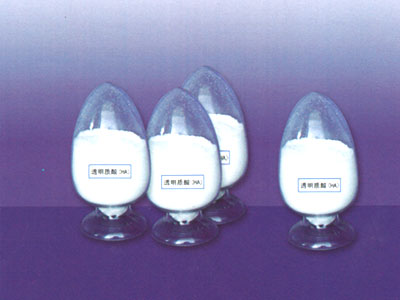
Hyaluronic acid (HA) is a mucopolysaccharide composed of disaccharide repeat units of N-acetylamino acid glucose and glucuronic acid. Ha is a natural component widely existing in animal tissues. It has important physiological functions such as water retention and lubrication.
Topical ha only acts on the surface of the skin at the application site, plays a lubricating and protective role, and has great limitations. Oral HA can increase the content of endogenous ha through digestion and absorption, so as to make the skin moist, bright and elastic.
Ha also plays an important physiological role in lubrication and water retention in other tissues and organs, such as joint cavity, blood vessels, heart and brain. The decrease of HA content in these tissues can lead to arthritis, arteriosclerosis, pulse disorder and brain atrophy. Oral HA can supplement the deficiency of HA in tissues, delay aging and make people energetic.



 (All Rights Reserved) (All Rights Reserved)