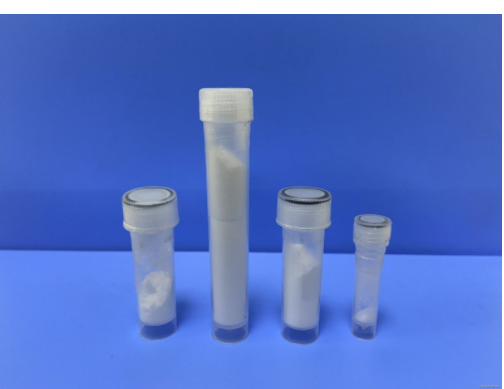
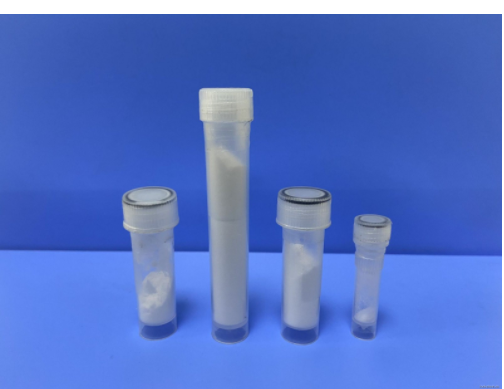
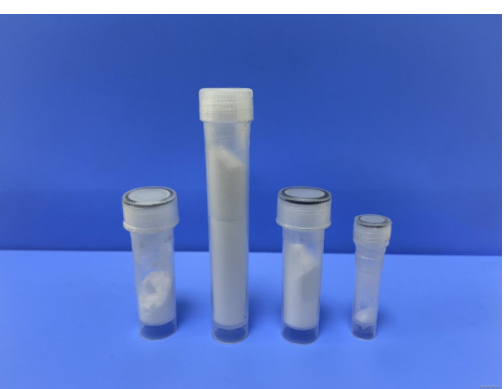
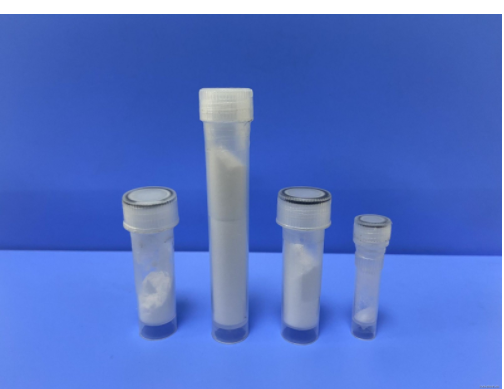
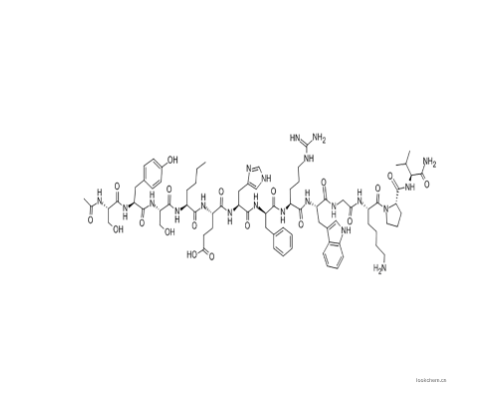
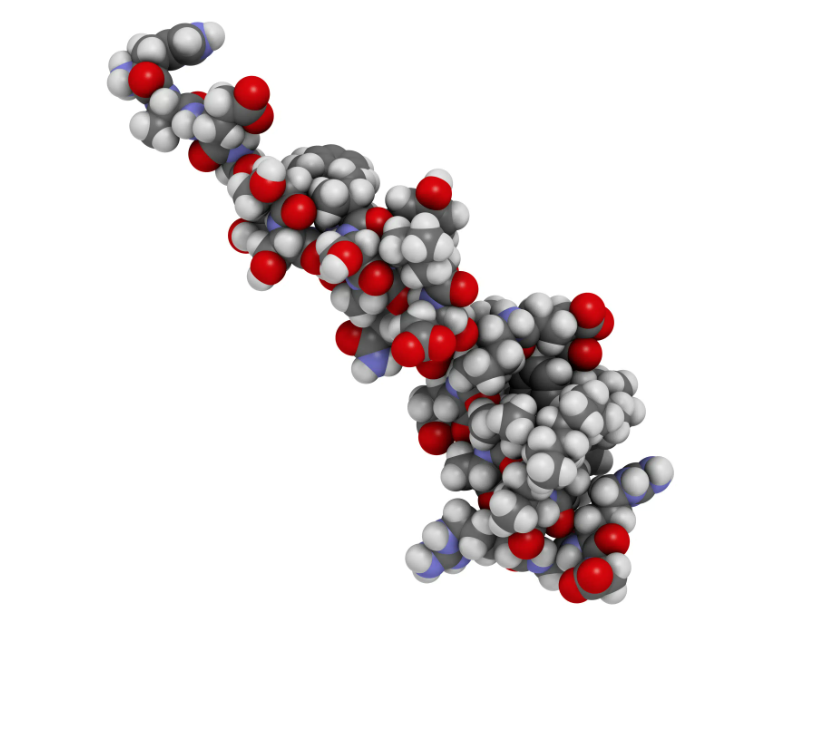
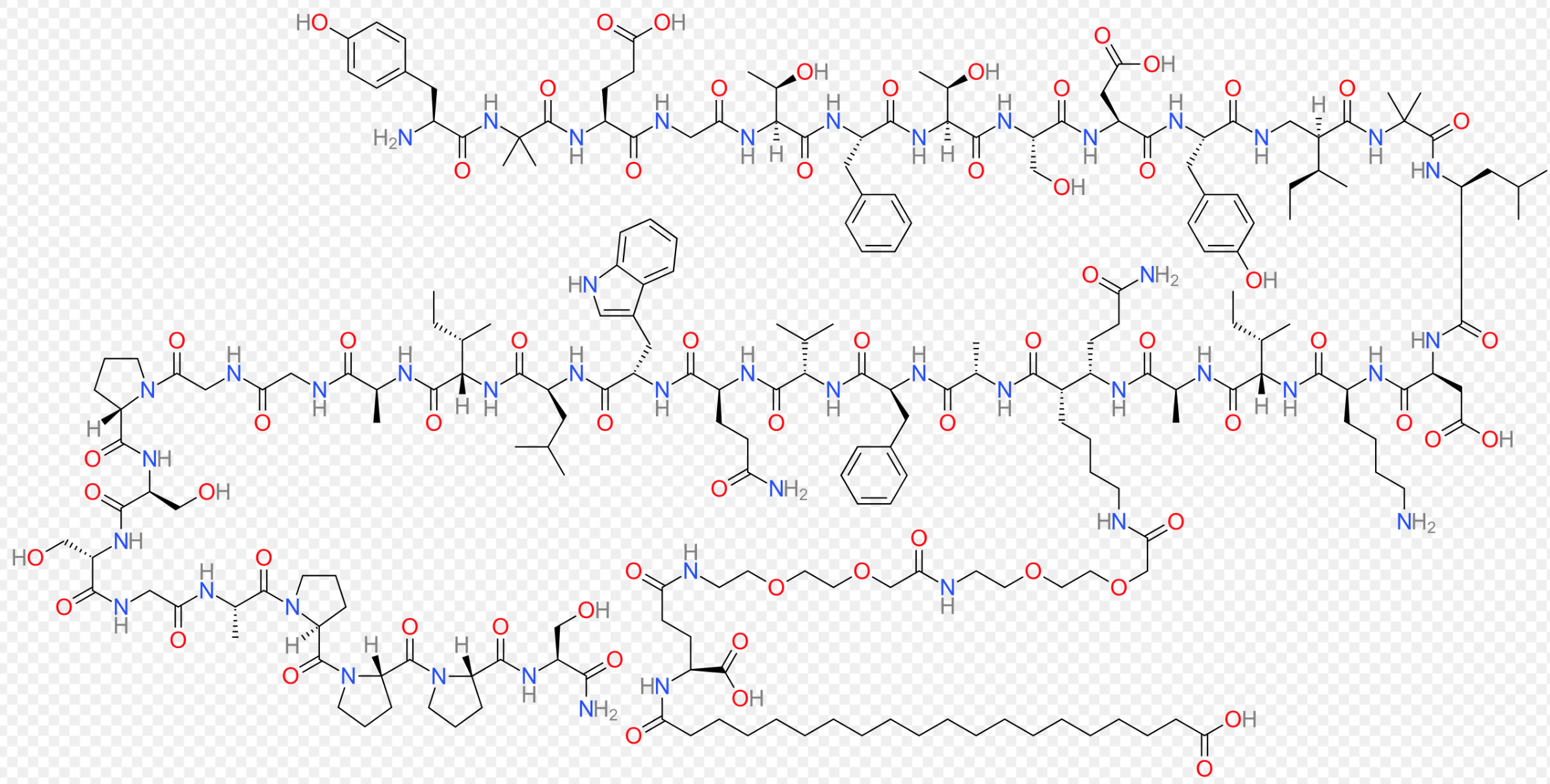
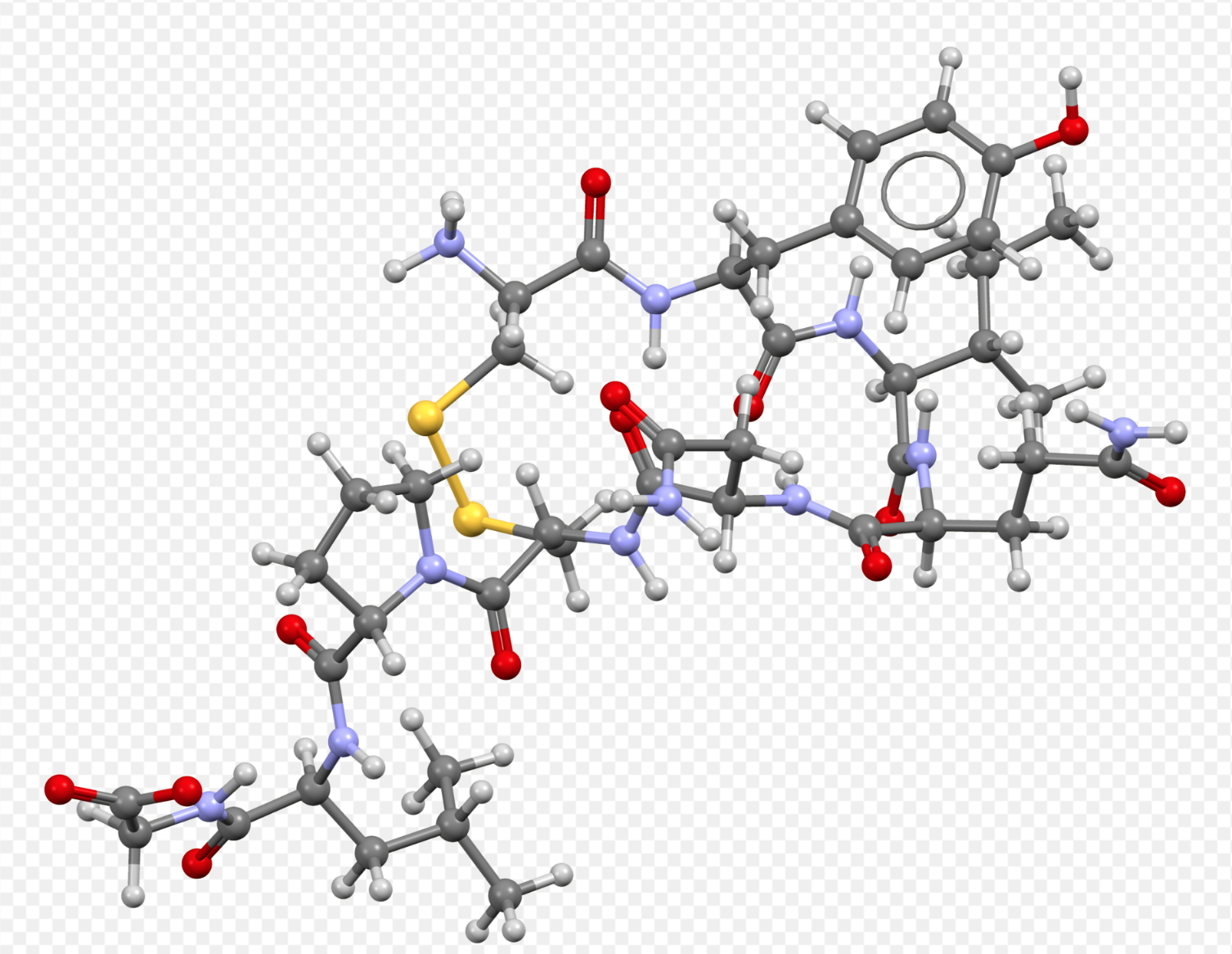
Sapecin was originally an antibacterial peptide isolated from the flesh fly Sarcophaga peregrina. It consists of 40 amino acids and has three pairs of disulfide bond structures. In solid phase synthesis, the formation of disulfide bonds in Sapecin is formed by natural oxidation, and the structure is relatively stable. Studies have shown that Sapecin has strong antibacterial activity against various Gram-positive bacteria, and has also been found to stimulate embryonic cell proliferation.