Product Description
Monosodium 4-{[(2S,4R)-1-(biphenyl-4-yl)-5-ethoxy-4-methyl-5-oxopentan-2-yl]amino}-4-oxobutanoate—disodium(2S)-3-methyl-2-(N-{[2'-(1H-tetrazol-1-id-5-yl)biphenyl-4-yl]methyl}pentanamido)butanoate(1/1)hemipentahydrate
AI Product Description
*The following content is generated by AI and is for reference only.
Sacubitril Valsartan Sodium is a groundbreaking fixed-dose combination medication widely recognized for its efficacy in managing heart failure with reduced ejection fraction (HFrEF). Chemically, this compound consists of two active components: sacubitril, a neprilysin inhibitor, and valsartan, an angiotensin II receptor blocker (ARB), formulated as a sodium salt to enhance solubility and bioavailability. The molecular formula for the combined entity is often represented based on its constituent parts, though the specific salt form modifies the overall stoichiometry; the core structure incorporates complex organic frameworks including benzene rings, pyridine moieties, and hydroxamic acid derivatives essential for enzymatic inhibition. Its CAS Registry Number is 1470982-36-7, serving as a unique identifier for regulatory and scientific databases worldwide.
The primary therapeutic application of Sacubitril Valsartan Sodium lies in the treatment of chronic heart failure in adult patients. It was developed to overcome limitations associated with traditional therapies like ACE inhibitors or ARBs alone. By simultaneously inhibiting neprilysin, the drug prevents the breakdown of beneficial natriuretic peptides that promote vasodilation, natriuresis, and diuresis. Concurrently, valsartan blocks the renin-angiotensin-aldosterone system, preventing vasoconstriction and fluid retention caused by angiotensin II. This dual mechanism results in improved cardiac function, reduced hospitalization rates, and lower mortality risks compared to standard care. Clinical trials, such as PARADIGM-HF, have established it as a preferred first-line therapy for eligible HFrEF patients, significantly altering clinical guidelines globally.
Manufactured under strict pharmaceutical standards, this medication is typically available in tablet formulations with varying strengths of sacubitril and valsartan to allow for precise dosing adjustments. Patients must be monitored for hypotension, hyperkalemia, and renal function, particularly during dose initiation. While generally well-tolerated, it is contraindicated in patients with a history of angioedema related to previous ACE inhibitor or ARB use. As a cornerstone in modern cardiology, Sacubitril Valsartan Sodium represents a significant advancement in treating cardiovascular disease, offering a comprehensive approach to stabilizing heart failure and improving patient quality of life through innovative pharmacological synergy.

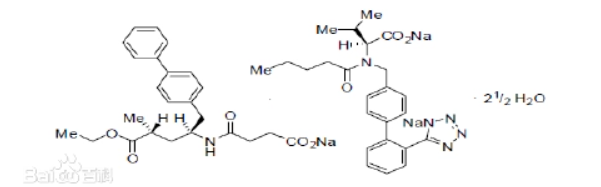




 (All Rights Reserved)