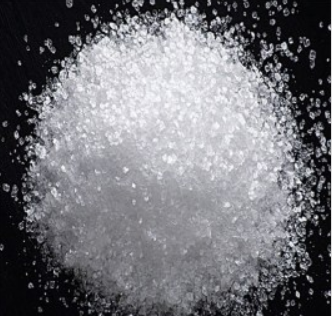
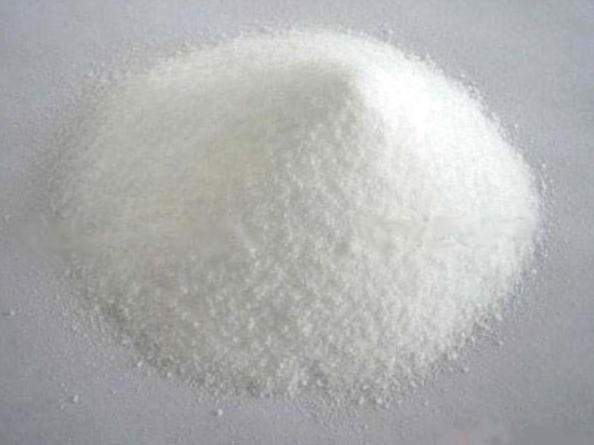
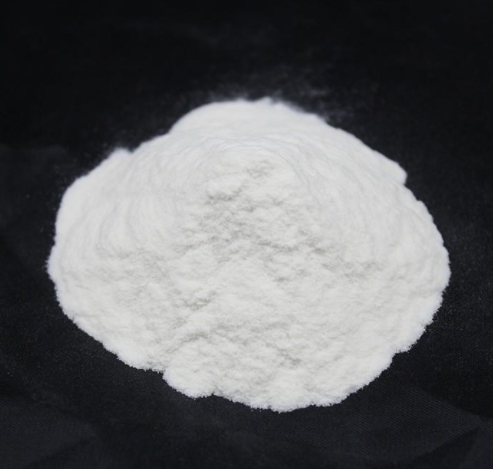
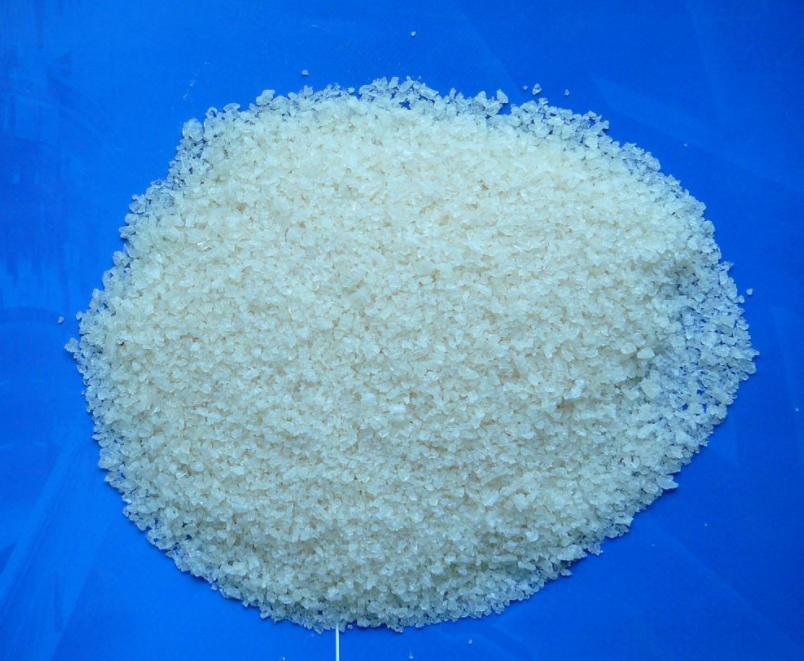
Aspartame is a low calorie sweetener that, used on its own to sweeten foods and drinks, tastes just like sugar. The discovery of aspartame was a breakthrough in low calorie sweeteners because of its likeness to sugar, and because it has no lingering or metallic aftertaste. Taste tests show that the same holds true today: most people prefer the taste of low calorie foods and drinks sweetened with aspartame.
*The following content is generated by AI and is for reference only.
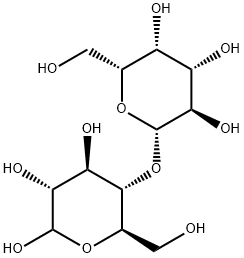
Aspartame is a widely used low-calorie artificial sweetener that serves as a popular sugar substitute in numerous food and beverage products globally. Chemically, it is a methyl ester of the dipeptide formed from two naturally occurring amino acids: L-aspartic acid and L-phenylalanine. Its molecular formula is C14H18N2O5, and its unique Chemical Abstracts Service (CAS) registry number is 22839-47-0. The compound was discovered accidentally in 1965 and has since become one of the most extensively studied food additives in history due to its high sweetness potency, which is approximately 200 times greater than that of sucrose while contributing negligible calories to the diet.
The primary application of aspartame lies in the production of diet sodas, sugar-free chewing gums, tabletop sweeteners, yogurt, desserts, and various pharmaceutical formulations where sugar reduction is desired without compromising taste. Because aspartame provides the sensory experience of sweetness without the metabolic impact of glucose, it is particularly beneficial for individuals managing diabetes or those seeking weight control. However, its usage requires specific handling; aspartame is unstable at high temperatures and loses its sweetness when exposed to prolonged heat, making it unsuitable for baking or cooking processes involving high thermal energy. Additionally, it must be clearly labeled on packaging because individuals with phenylketonuria (PKU), a rare genetic disorder, cannot metabolize phenylalanine safely and must strictly avoid aspartame-containing products. Regulatory bodies such as the FDA, EFSA, and WHO have approved aspartame for general consumption within established acceptable daily intake limits, affirming its safety for the vast majority of the population when consumed in moderation. Despite occasional public debates regarding its health implications, decades of scientific research continue to support its status as a safe and effective alternative to traditional sugars in the modern food industry.

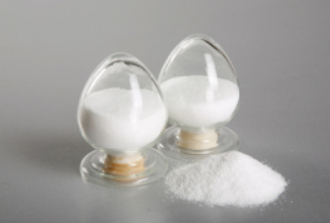




 (All Rights Reserved)