Product Description
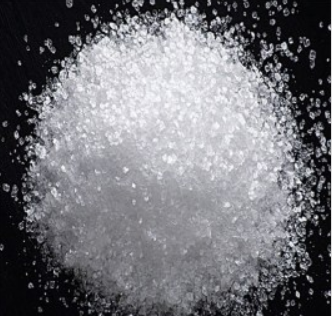
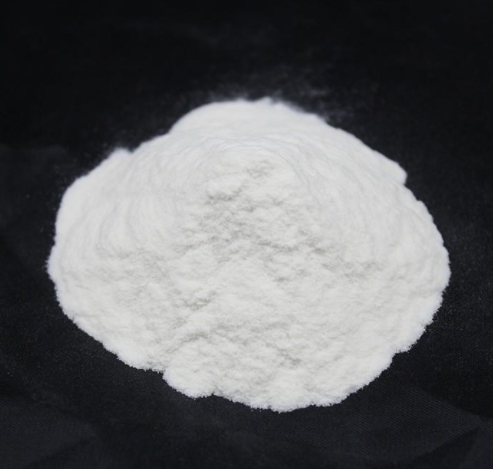
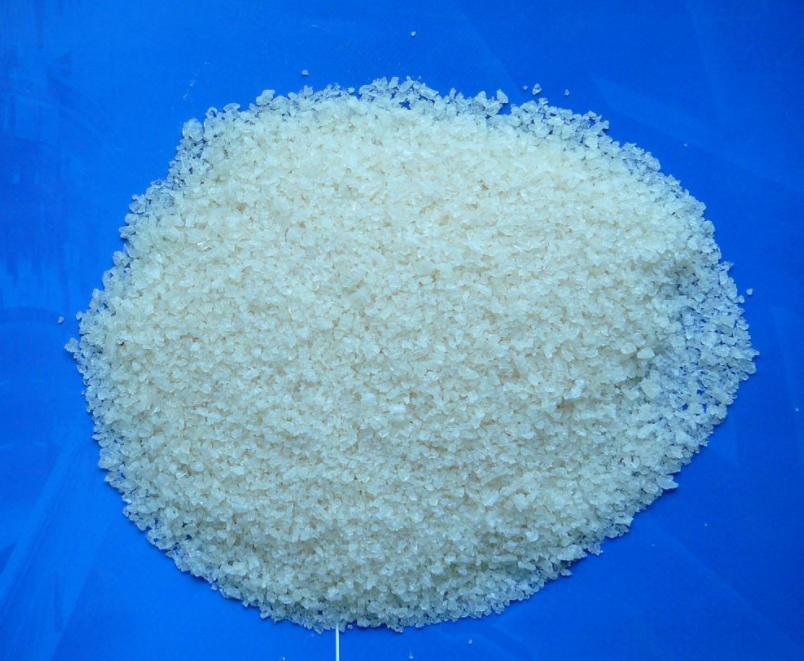
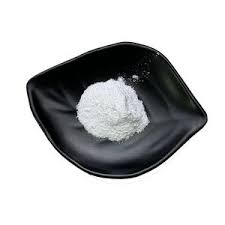
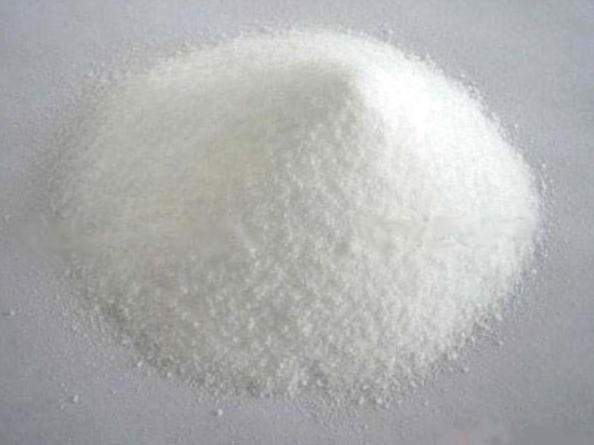
Sodium cyclamate is an odorless, white crystalline powder. It is about 30 times as sweet as sucrose in dilute solution. The structure of sodium cyclamate is shown in Figure 9.10 and its acute toxicity is shown in Table 9.6.
AI Product Description
*The following content is generated by AI and is for reference only.
Sodium cyclamate, chemically known as sodium cyclohexylsulfamate, is a widely utilized artificial sweetener with the molecular formula C6H12NNaO3S and the CAS Registry Number 139-05-9. As an organic salt derived from cyclohexylamine and sulfuric acid derivatives, it possesses a sweetness intensity approximately thirty to fifty times greater than sucrose, yet it contributes negligible calories to food products. This unique profile has established it as a cornerstone ingredient in the global low-calorie and sugar-free food industry since its discovery in 1937.
The primary application of sodium cyclamate lies in its ability to enhance flavor without altering blood glucose levels, making it particularly valuable for diabetic-friendly formulations and weight management diets. It is commonly found in soft drinks, tabletop sweeteners, chewing gum, yogurt, and various processed foods where stability across a broad pH range is required. Unlike some other non-nutritive sweeteners, sodium cyclamate offers a clean taste profile that does not leave a lingering metallic or bitter aftertaste, although it is often blended with saccharin to mask potential off-flavors and achieve a more natural sweetness curve.
Regulatory status varies significantly by region. While approved for use in over one hundred countries, including members of the European Union and many Asian nations, it remains banned for general food use in the United States due to historical concerns regarding carcinogenicity in animal studies, though subsequent research has largely exonerated it. Consequently, its availability in American markets is restricted to specific pharmaceutical applications and personal care products rather than commercial food items. Globally, sodium cyclamate is favored for its thermal stability, allowing it to withstand baking and pasteurization processes without degradation, which ensures consistent product quality throughout the shelf life of beverages and confectioneries. Its versatility, cost-effectiveness, and safety profile in approved jurisdictions continue to drive its widespread adoption as a critical component in modern food technology and dietary supplements.





 (All Rights Reserved)