*The following content is generated by AI and is for reference only.
(S)-4-Chlorophenylglycine is a specialized chiral building block widely utilized in the pharmaceutical and agrochemical industries for the synthesis of complex organic molecules. With the chemical formula C8H8ClNO2 and the CAS Registry Number 13657-39-7, this compound represents the S-enantiomer of 4-chlorophenylglycine, ensuring high optical purity essential for biological activity. The molecule features a phenyl ring substituted with a chlorine atom at the para position, attached to an amino acid backbone containing both an amine and a carboxylic acid functional group.
The primary application of (S)-4-chlorophenylglycine lies in its role as a key intermediate in the production of beta-lactam antibiotics, particularly cephalosporins and penicillins. Due to its specific stereochemistry, it facilitates the construction of the core structures required for these life-saving drugs, where the spatial arrangement of atoms dictates efficacy and safety profiles. Beyond antibiotic development, researchers employ this chiral precursor in the synthesis of various peptidomimetics and enzyme inhibitors designed to treat metabolic disorders and infectious diseases. The presence of the chloro substituent enhances lipophilicity and metabolic stability in drug candidates, making it a valuable asset in medicinal chemistry optimization strategies.
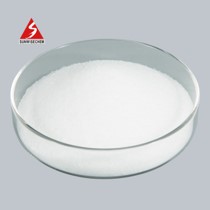
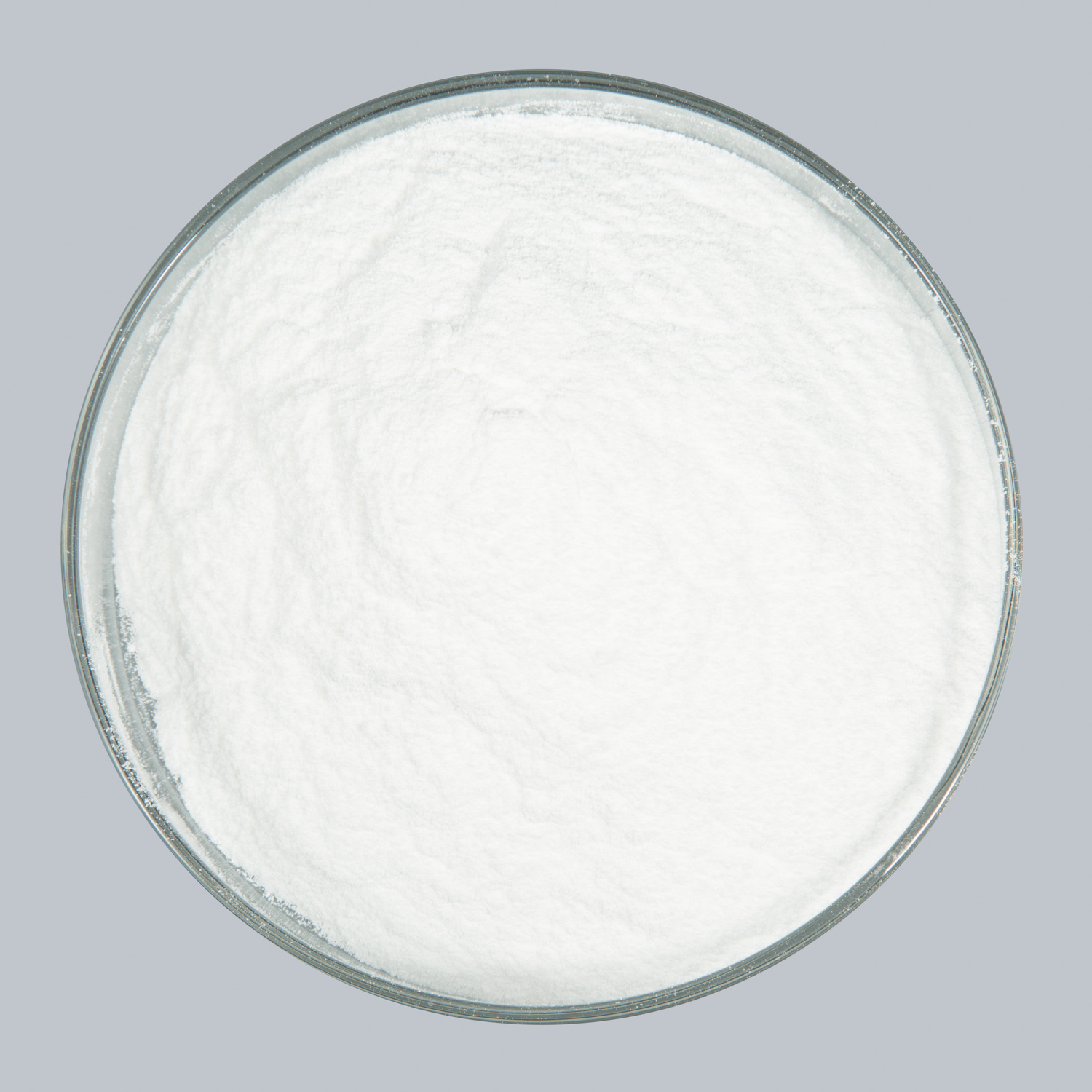
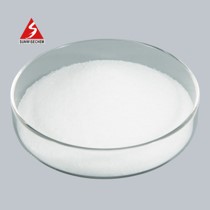
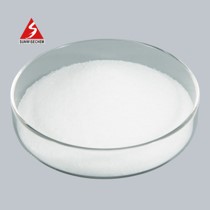
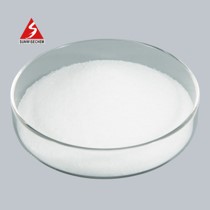
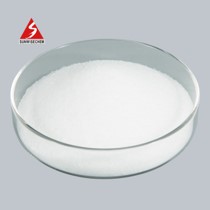
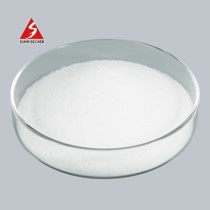
Manufacturers typically produce (S)-4-chlorophenylglycine through asymmetric synthesis or enzymatic resolution techniques to guarantee enantiomeric excess, often exceeding 98%. This high level of purity is critical, as the R-enantiomer may lack therapeutic benefit or exhibit unwanted toxicity. The compound appears as a white to off-white crystalline powder, soluble in polar solvents such as water and alcohols, but insoluble in non-polar hydrocarbons. Its stability under standard storage conditions allows for versatile use in multi-step synthetic pathways. As the demand for novel therapeutics grows, (S)-4-chlorophenylglycine remains a cornerstone reagent in modern organic synthesis, bridging the gap between fundamental chemical research and commercial pharmaceutical manufacturing. Its unique structural properties continue to drive innovation in drug discovery programs globally.