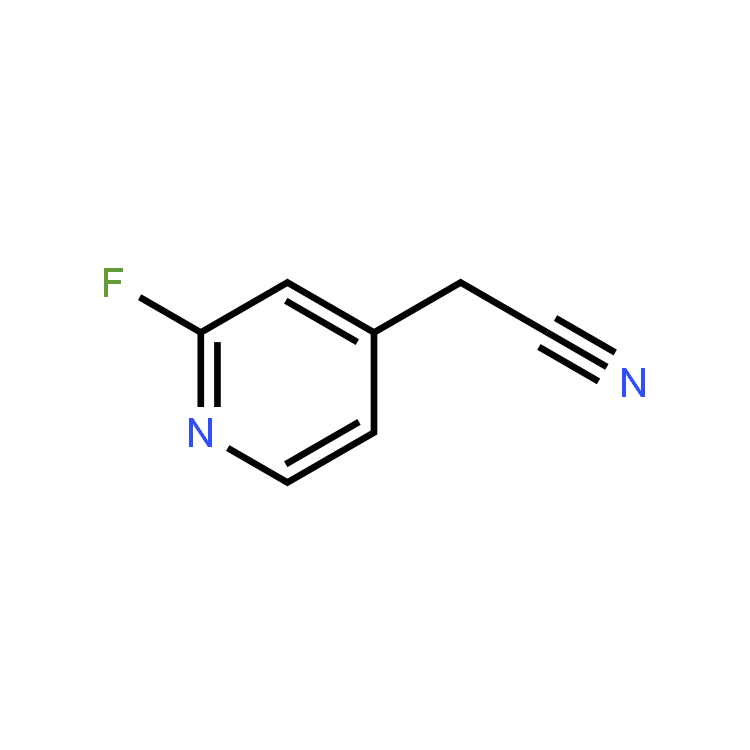
Product Description
Pharmaceutical
Raw Materials and Intermediates
AI Product Description
*The following content is generated by AI and is for reference only.
(S)-(-)-2-Chloropropionic acid, chemically designated as (S)-2-chloropropanoic acid, is a chiral organic compound with the molecular formula C3H5ClO2 and the CAS Registry Number 1978-06-9. This enantiomerically pure substance serves as a critical building block in modern synthetic chemistry, particularly within the pharmaceutical and agrochemical industries. Its distinct stereochemistry allows for the precise synthesis of biologically active molecules where spatial arrangement dictates efficacy and safety.
The primary application of this reagent lies in its role as an intermediate for producing optically active drugs. It is frequently utilized in the preparation of non-steroidal anti-inflammatory drugs (NSAIDs) and various beta-blockers, where the specific (S)-configuration is essential for therapeutic activity. Furthermore, it acts as a key precursor in the manufacturing of chiral ligands used in asymmetric catalysis, enabling the efficient production of complex organic structures with high enantiomeric excess. In agricultural science, derivatives synthesized from this acid contribute to the development of selective herbicides and fungicides, offering improved environmental profiles compared to racemic mixtures.
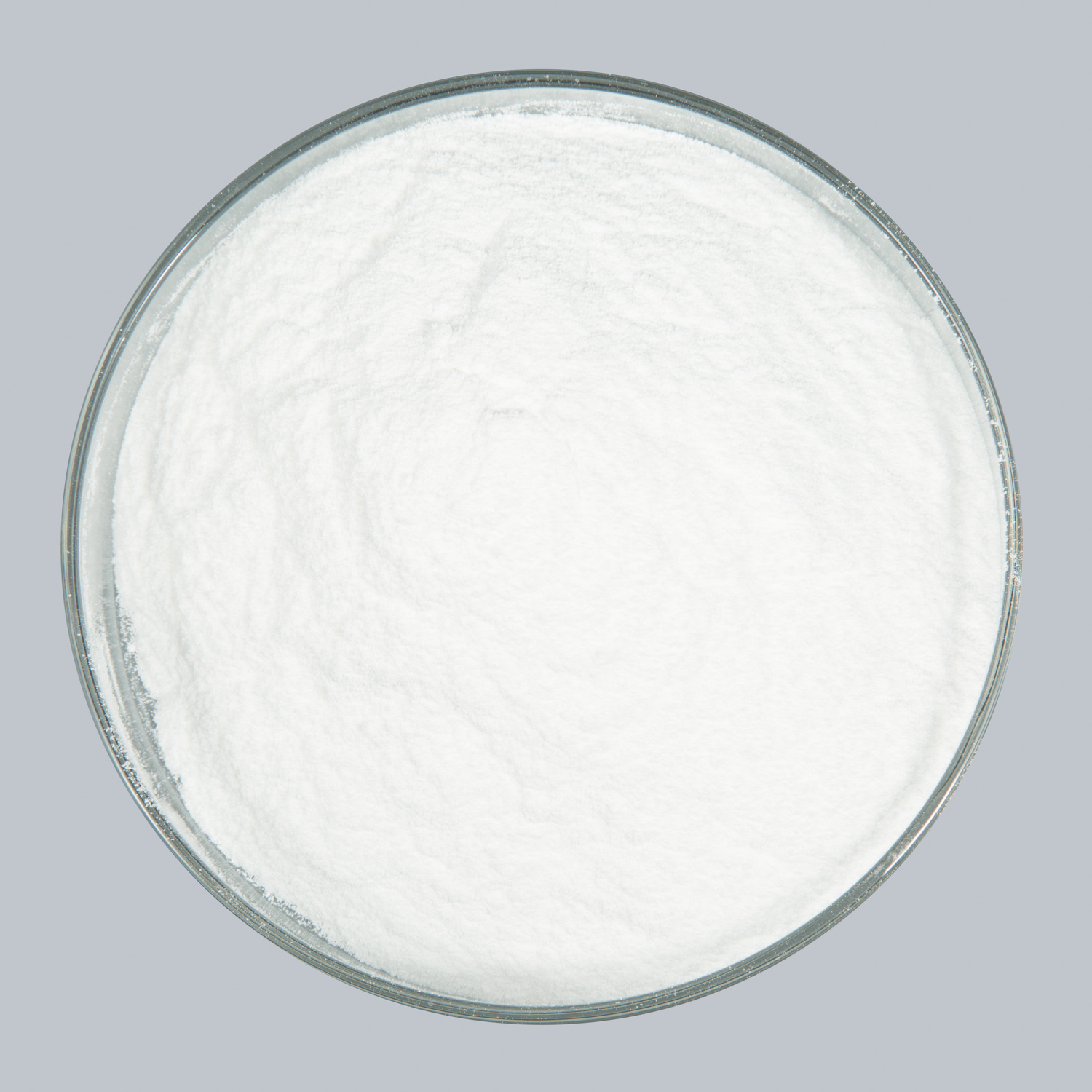
Physically, (S)-(-)-2-Chloropropionic acid typically appears as a colorless to pale yellow liquid with a sharp, pungent odor. It is soluble in common organic solvents such as ethanol, ether, and chloroform but exhibits limited solubility in water. Due to the presence of both a carboxylic acid group and a reactive chlorine atom, the compound requires careful handling. It is corrosive to skin and eyes and may cause respiratory irritation upon inhalation. Storage should be conducted in tightly sealed containers away from incompatible bases, oxidizing agents, and moisture to prevent decomposition or hazardous reactions.
While highly valuable for research and industrial synthesis, strict adherence to safety protocols is mandatory during its use. Laboratories must ensure proper ventilation and personal protective equipment are employed. As demand for stereoselective synthesis grows, the availability of high-purity (S)-enantiomers like this acid becomes increasingly vital for advancing drug discovery and developing sustainable chemical processes that minimize waste and maximize yield.




 (All Rights Reserved)
![8,16-Diazadispiro[6.1.6.2]heptadecan-17-one](https://eimg.pharmasources.com/image/product/20250403/ca91cba8b87e53fc879f8d8764873a40jpg)
![6,8-Dioxo-5,7-diazaspiro[3.4]octane-2-carboxylic acid](https://eimg.pharmasources.com/image/product/20250403/02effeb5a7639bc84ff1f3add3c0c64fjpg)
![8-Oxa-1,3-diazaspiro[4.5]decane-2,4-dione](https://eimg.pharmasources.com/image/product/20250403/60fa7223d5a34f24138486ceea0ffb15jpg)