Product Description
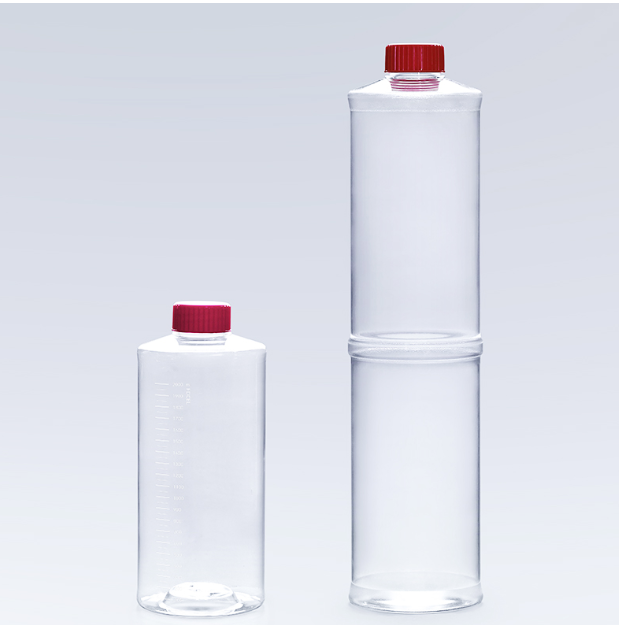
Roller Bottle is a kind of disposable container which can meet the requirements of large-scale production of cells
and tissues in both experimental and industrial production. and is widely used in the culture of animal and plant cells,
bacteria, viruses and so on.
AI Product Description
*The following content is generated by AI and is for reference only.
The product described is a standard 2-liter roller bottle, a fundamental tool in cell biology and biotechnology laboratories designed for the suspension or adherent culture of cells under controlled conditions. With an internal surface area of approximately 850 cm², this vessel provides an optimal growth environment for producing viral vaccines, monoclonal antibodies, and other biologics on a small to medium scale. The plain surface finish indicates that the glass or plastic interior has not been treated with tissue culture (TC) coatings, making it suitable for specific cell types that naturally adhere without modification or for experiments requiring a non-coated substrate.
These bottles are equipped with a seal cap system to maintain sterility while allowing for gas exchange, which is critical for maintaining appropriate pH levels and oxygenation during long-term cultures. The 2-liter capacity allows researchers to harvest significant quantities of biological material without the complexity of large-scale bioreactors. Because the unit is supplied sterile, it eliminates the need for autoclaving, thereby reducing the risk of contamination from the outset and saving valuable preparation time.
When utilizing this equipment, strict aseptic techniques must be employed throughout the setup and operation process. Although the bottle arrives sterile, any breach in the sealing mechanism or improper handling can compromise the entire culture. Users should ensure the roller apparatus is calibrated correctly to provide gentle, continuous rotation, preventing cell clumping while ensuring even nutrient distribution. It is crucial to monitor the culture regularly for signs of contamination, such as turbidity or unexpected color changes. Furthermore, since the surface is non-treated, researchers must verify that their target cell lines are compatible with untreated surfaces; otherwise, cell attachment may be insufficient, leading to poor yield. Proper disposal and cleaning protocols should be followed if reusing components, though single-use designs are often preferred to ensure consistency and safety in downstream applications.





 (All Rights Reserved)