Product Description
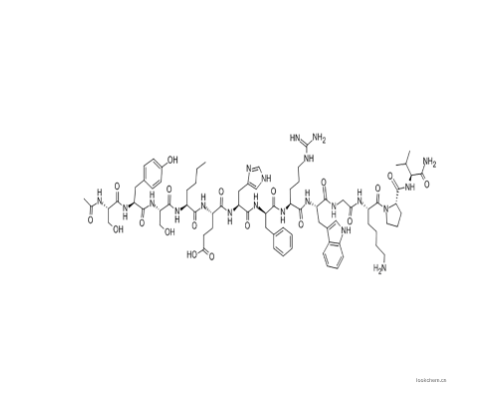
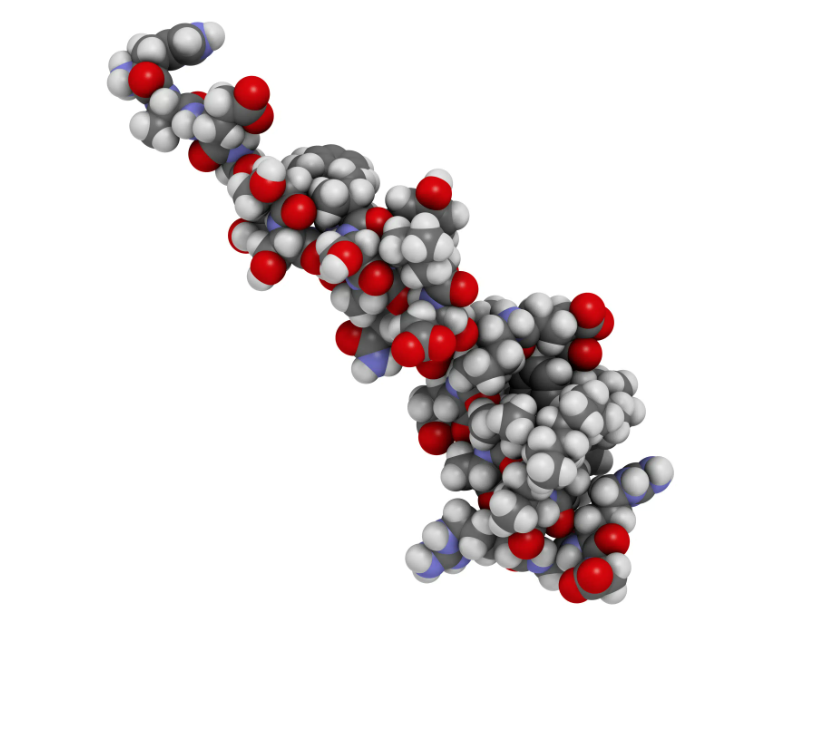
R9-TAT is a cell-penetrating peptide containing polyarginine. It is composed of 13 amino acids and 9 arginines are linked together. After the peptide synthesis, the sequence contains a large number of guanidine groups, which can be negatively charged with the cell membrane. The phosphate groups of the phosphate group are connected by hydrogen bonds, which mediate the entry of the peptide into the cell membrane under physiological pH conditions.
AI Product Description
*The following content is generated by AI and is for reference only.
R9-TAT is a widely recognized cell-penetrating peptide (CPP) derived from the HIV-1 Tat protein, specifically corresponding to the amino acid sequence RRRRRWWN. Its molecular formula is C60H104N28O10, and it does not possess a standard CAS number as it is typically synthesized chemically rather than isolated from natural sources; researchers often reference its synthesis under specific catalog numbers from peptide suppliers instead of a regulatory CAS identifier. This octa-arginine variant with a tryptophan-rich motif is renowned for its exceptional ability to traverse biological membranes without requiring energy or specific receptors, making it a cornerstone tool in biomedical research and drug delivery systems.
The primary application of R9-TAT lies in facilitating the intracellular transport of various cargo molecules, including proteins, nucleic acids, nanoparticles, and small-molecule drugs. By conjugating therapeutic agents to this peptide, scientists can overcome cellular barriers that usually prevent large or hydrophilic compounds from entering cells. Consequently, R9-TAT has become instrumental in gene therapy, where it aids in delivering plasmid DNA or siRNA to silence specific genes, and in cancer treatment, where it transports cytotoxic drugs directly into tumor cells to minimize systemic toxicity. Furthermore, its utility extends to diagnostic imaging, allowing fluorescent markers to be visualized inside live cells for real-time tracking of cellular processes.
Despite its efficacy, the use of R9-TAT requires careful consideration regarding potential cytotoxicity at high concentrations and the variability of uptake efficiency across different cell types. Ongoing research focuses on optimizing its structure to enhance specificity and reduce off-target effects while maintaining high transduction rates. As a non-viral vector alternative, R9-TAT offers a safer and more versatile platform compared to viral vectors, which carry risks of immunogenicity and insertional mutagenesis. Its robust performance in both in vitro and in vivo models continues to drive innovation in nanomedicine and targeted therapy development. Researchers globally rely on this peptide to accelerate the translation of laboratory discoveries into clinical applications, bridging the gap between molecular design and effective biological intervention. The versatility of R9-TAT ensures its enduring relevance in the evolving landscape of precision medicine and functional genomics.



 (All Rights Reserved)