Product Description
Pharmaceutical
Raw Materials and Intermediates
AI Product Description
*The following content is generated by AI and is for reference only.
(R)-N-Fmoc-4-Bromophenylalanine is a highly specialized chiral building block widely utilized in modern peptide synthesis and medicinal chemistry research. Chemically, this compound features an L-phenylalanine backbone where the amino group is protected by a 9-fluorenylmethoxycarbonyl (Fmoc) group, and the para-position of the phenyl ring is substituted with a bromine atom. Its molecular formula is C21H16BrNO4, and it is commercially identified by CAS number 153083-56-8. The presence of the Fmoc protecting group allows for orthogonal deprotection strategies under mild basic conditions, typically using piperidine, which is essential for solid-phase peptide synthesis (SPPS). Simultaneously, the bromine substituent serves as a versatile handle for subsequent post-synthetic modifications.
The primary application of this reagent lies in the construction of complex peptidomimetics and bioactive molecules. Researchers frequently employ it to introduce halogen atoms into peptide sequences, facilitating cross-coupling reactions such as Suzuki-Miyaura or Buchwald-Hartwig couplings. These transformations enable the attachment of diverse functional groups, including fluorophores, biotin tags, or other pharmacophores, directly onto the peptide scaffold. This capability is invaluable for developing radiolabeled probes for imaging studies, antibody-drug conjugates, and high-affinity ligands for receptor binding assays. Furthermore, the specific stereochemistry (R-configuration relative to the standard nomenclature, though often derived from L-phenylalanine precursors in commercial contexts ensuring correct chirality retention) ensures that the resulting peptides maintain biological activity and structural integrity.
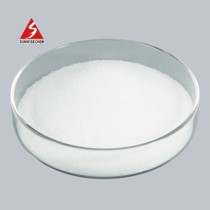
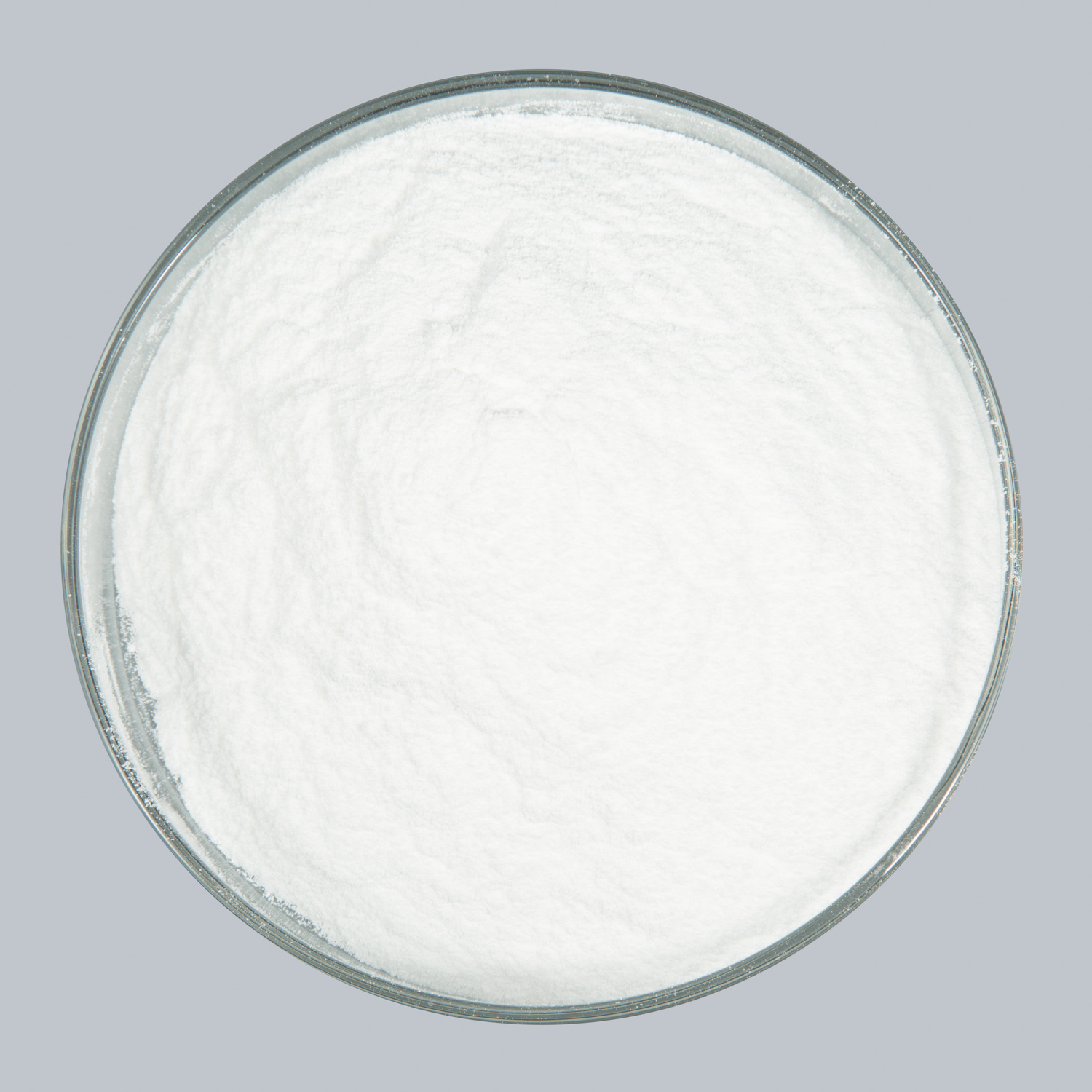
In laboratory settings, this compound is supplied as a white to off-white crystalline powder, requiring storage in a cool, dry place away from moisture to prevent hydrolysis of the carbamate linkage. Its solubility is generally good in common organic solvents like dimethylformamide (DMF), dichloromethane (DCM), and dimethyl sulfoxide (DMSO), making it compatible with standard SPPS protocols. As a critical intermediate, (R)-N-Fmoc-4-Bromophenylalanine accelerates the discovery of novel therapeutics by providing a reliable method to diversify peptide structures without compromising yield or purity. Its role in enabling precise chemical modifications makes it an indispensable tool for academic researchers and pharmaceutical developers aiming to engineer next-generation peptide-based drugs.





 (All Rights Reserved)


![8-Oxa-1,3-diazaspiro[4.5]decane-2,4-dione](https://eimg.pharmasources.com/image/product/20250403/60fa7223d5a34f24138486ceea0ffb15jpg)



![8,16-Diazadispiro[6.1.6.2]heptadecan-17-one](https://eimg.pharmasources.com/image/product/20250403/ca91cba8b87e53fc879f8d8764873a40jpg)
![6,8-Dioxo-5,7-diazaspiro[3.4]octane-2-carboxylic acid](https://eimg.pharmasources.com/image/product/20250403/02effeb5a7639bc84ff1f3add3c0c64fjpg)
