Product Description
Pharmaceutical
Raw Materials and Intermediates
AI Product Description
*The following content is generated by AI and is for reference only.
(R)-(+)-Alpha-Hydroxy-Gamma-Butyrolactone, commonly identified by its CAS number 21609-43-8, is a chiral organic compound belonging to the class of hydroxy lactones. Its molecular formula is C4H6O3, and it features a four-membered lactone ring with a specific hydroxyl group configuration at the alpha position relative to the carbonyl. This stereochemical arrangement defines its optical activity, distinguishing the (R)-enantiomer from its mirror image. The molecule is characterized by high reactivity due to the strained ring structure and the presence of both electrophilic and nucleophilic sites, making it a valuable intermediate in asymmetric synthesis.
In the pharmaceutical industry, this compound serves as a critical building block for synthesizing complex bioactive molecules. It is frequently utilized in the production of various antibiotics, antifungal agents, and anti-inflammatory drugs where precise stereochemistry is essential for biological efficacy. The specific (R) configuration often correlates with enhanced therapeutic activity and reduced side effects compared to racemic mixtures. Furthermore, researchers employ this lactone as a chiral pool starting material to construct more intricate heterocyclic systems found in modern medicinal chemistry.
Beyond medicine, (R)-(+)-Alpha-Hydroxy-Gamma-Butyrolactone finds applications in the fragrance and flavor sectors. Due to its unique chemical stability and potential to impart specific olfactory notes, it is explored as an additive in fine perfumery and gourmet food flavorings. In materials science, derivatives of this lactone are investigated for use in biodegradable polymers and advanced functional coatings, leveraging their ability to undergo controlled ring-opening polymerization. Safety protocols dictate that handling requires standard laboratory precautions, as the compound can be irritating to skin and eyes. Overall, this versatile chiral lactone remains a cornerstone in the development of next-generation synthetic pathways, bridging fundamental organic chemistry with practical industrial applications across diverse high-tech fields.




 (All Rights Reserved)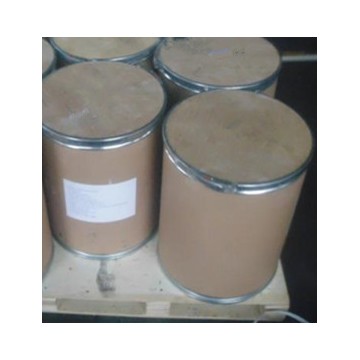
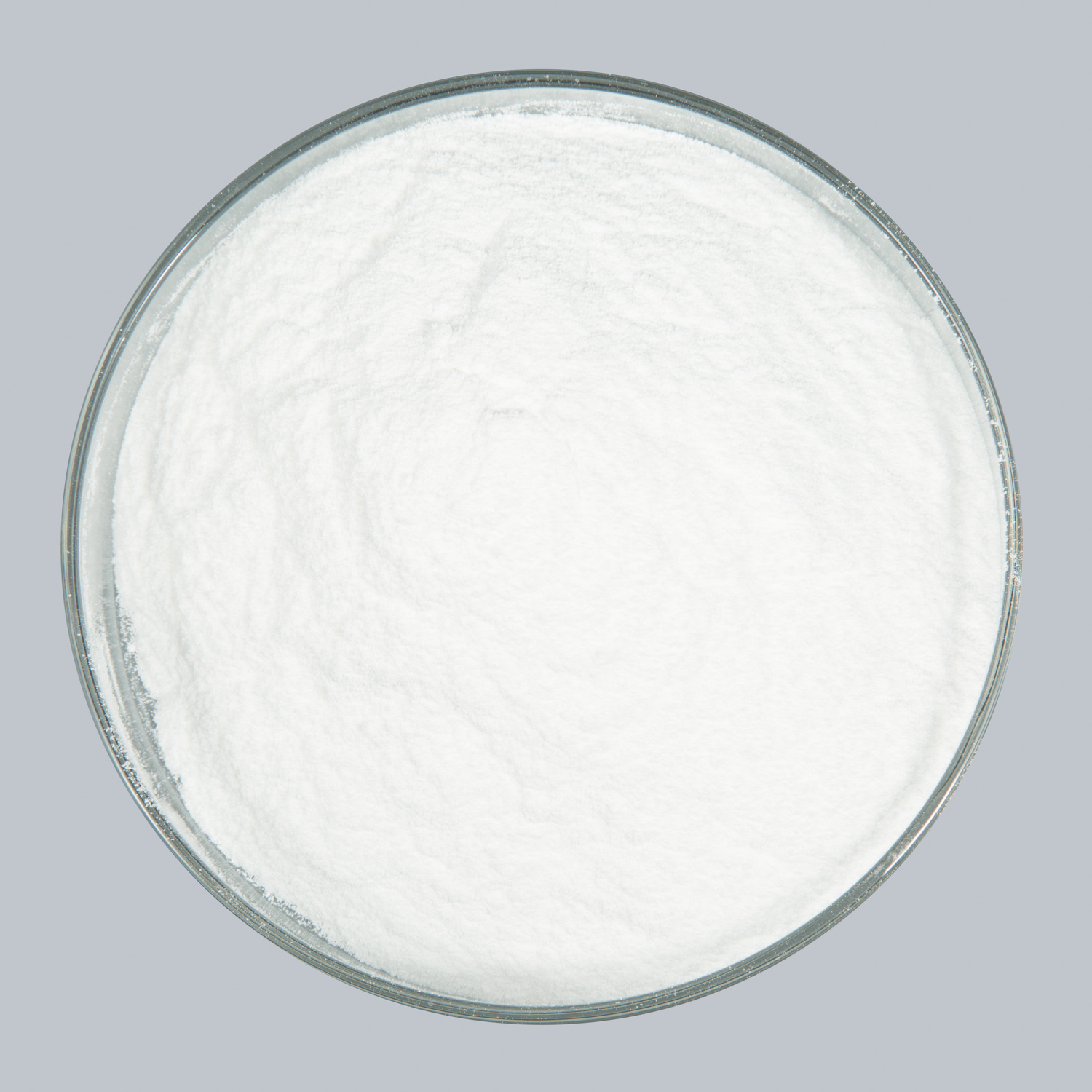
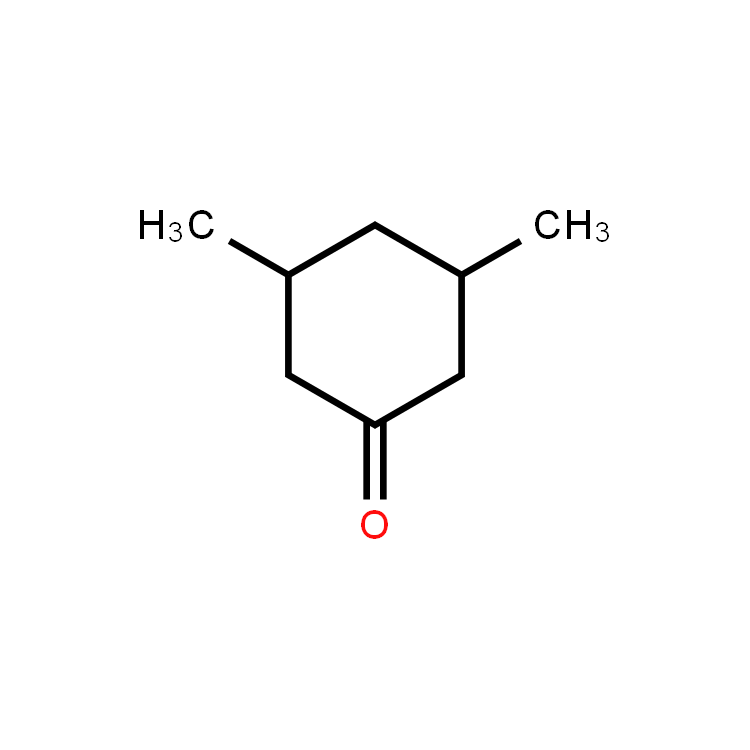
![8-Oxa-1,3-diazaspiro[4.5]decane-2,4-dione](https://eimg.pharmasources.com/image/product/20250403/60fa7223d5a34f24138486ceea0ffb15jpg)
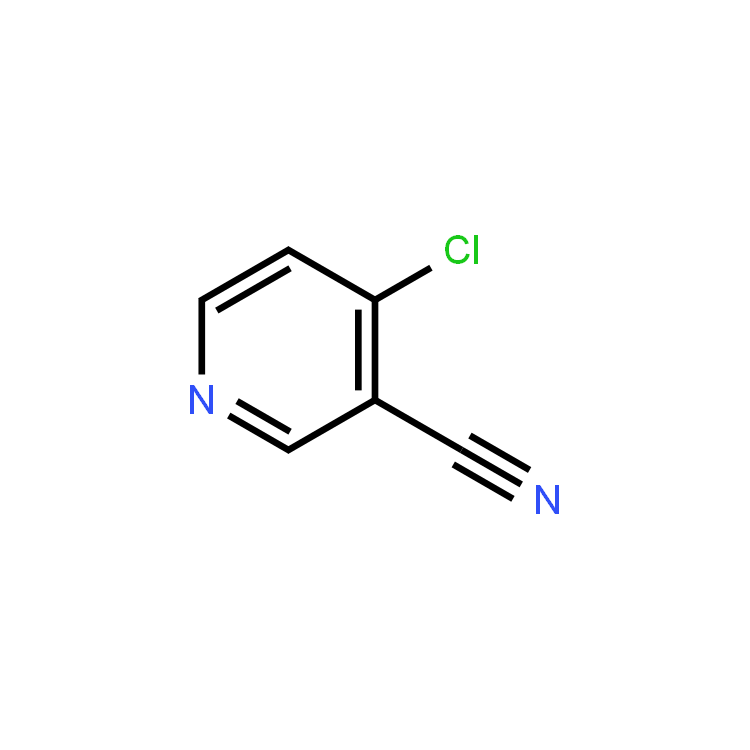
![6,8-Dioxo-5,7-diazaspiro[3.4]octane-2-carboxylic acid](https://eimg.pharmasources.com/image/product/20250403/02effeb5a7639bc84ff1f3add3c0c64fjpg)
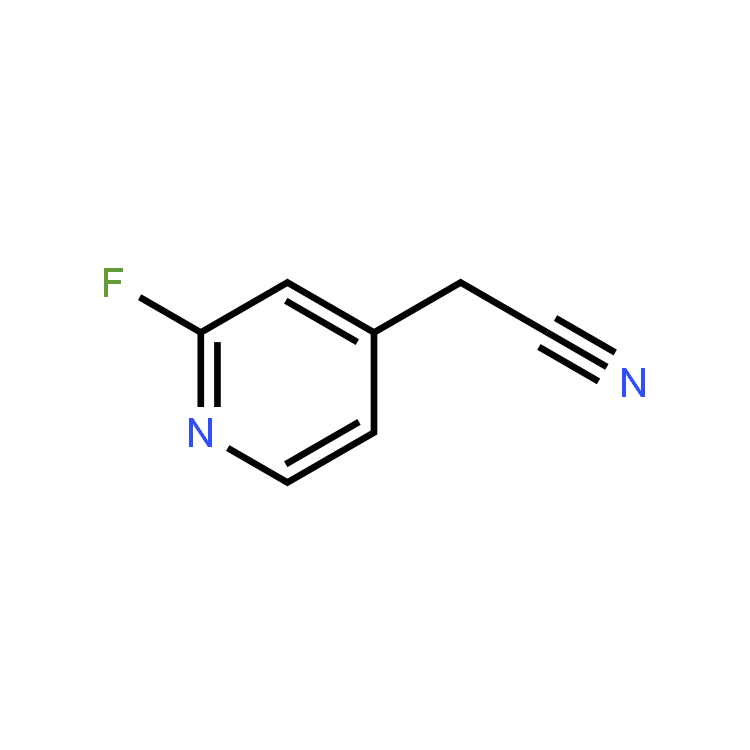
![8,16-Diazadispiro[6.1.6.2]heptadecan-17-one](https://eimg.pharmasources.com/image/product/20250403/ca91cba8b87e53fc879f8d8764873a40jpg)