Product Description
Pharmaceutical
Raw Materials and Intermediates
AI Product Description
*The following content is generated by AI and is for reference only.
Pyraclostrobin is a widely used strobilurin fungicide belonging to the methoxyacrylate class, renowned for its broad-spectrum efficacy and unique mode of action. With the Chemical Abstracts Service (CAS) number 175013-46-2, its molecular formula is C22H24FN3O5, reflecting a complex structure designed for high biological activity. This compound functions as a potent inhibitor of mitochondrial respiration by binding to the Qo site of cytochrome bc1 complexes, thereby disrupting energy production within fungal cells. It effectively controls a diverse array of fungal diseases across various crops, including wheat, rice, soybeans, grapes, and fruits. Common applications involve managing powdery mildew, rusts, leaf spots, blights, and anthracnose. Pyraclostrobin offers significant advantages such as strong translaminar movement and systemic properties, allowing it to protect new growth even after application. Its long residual activity ensures extended protection periods, reducing the frequency of required treatments and lowering overall operational costs for farmers. Furthermore, it exhibits excellent compatibility with other agrochemicals, making it a versatile component in integrated pest management programs. The product also possesses plant health benefits, often enhancing photosynthetic efficiency and delaying senescence, which can lead to improved crop yield and quality. Safety profiles indicate low toxicity to mammals when used according to label instructions, though it requires careful handling regarding aquatic organisms and non-target insects like bees. Resistance management strategies are crucial, recommending rotation with fungicides from different chemical groups to prevent pathogen adaptation. As a key tool in modern agriculture, Pyraclostrobin contributes significantly to global food security by safeguarding crop productivity against devastating fungal threats. Its continued development and optimized formulations ensure it remains a cornerstone in sustainable crop protection strategies worldwide, balancing efficacy with environmental stewardship.



 (All Rights Reserved)
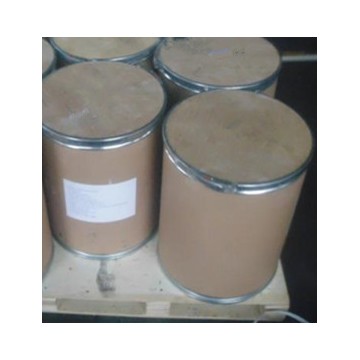
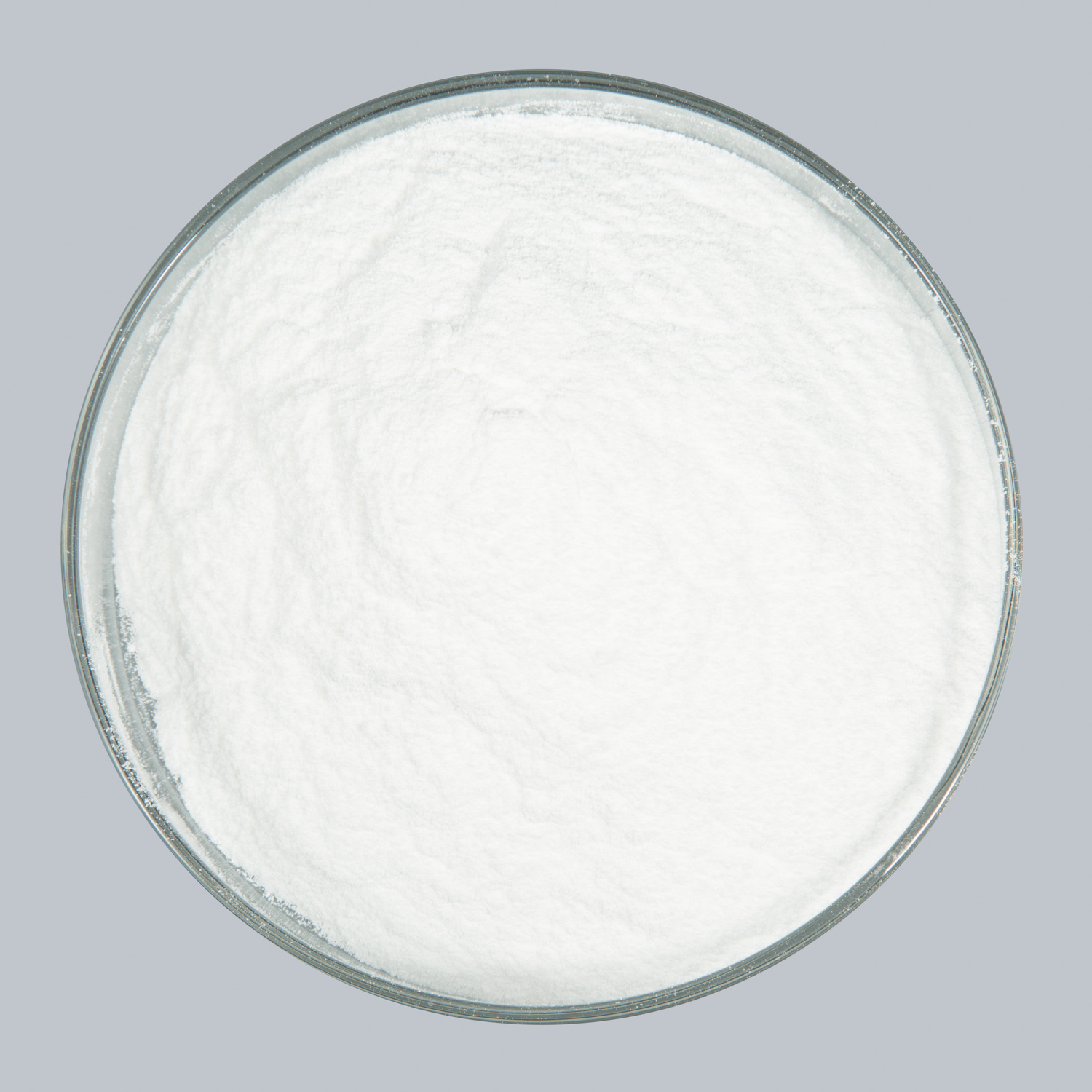
![6,8-Dioxo-5,7-diazaspiro[3.4]octane-2-carboxylic acid](https://eimg.pharmasources.com/image/product/20250403/02effeb5a7639bc84ff1f3add3c0c64fjpg)
![8,16-Diazadispiro[6.1.6.2]heptadecan-17-one](https://eimg.pharmasources.com/image/product/20250403/ca91cba8b87e53fc879f8d8764873a40jpg)
![8-Oxa-1,3-diazaspiro[4.5]decane-2,4-dione](https://eimg.pharmasources.com/image/product/20250403/60fa7223d5a34f24138486ceea0ffb15jpg)