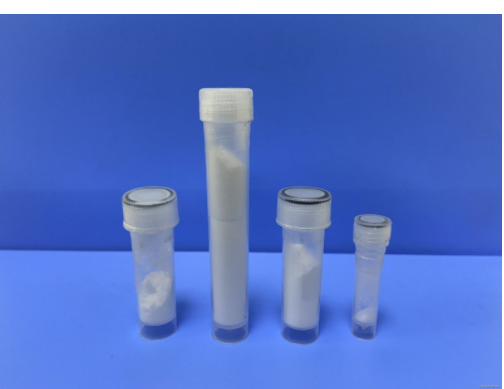
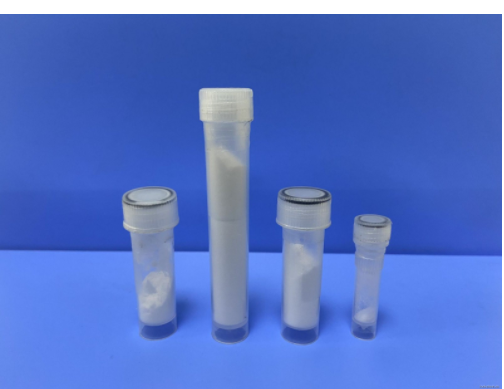
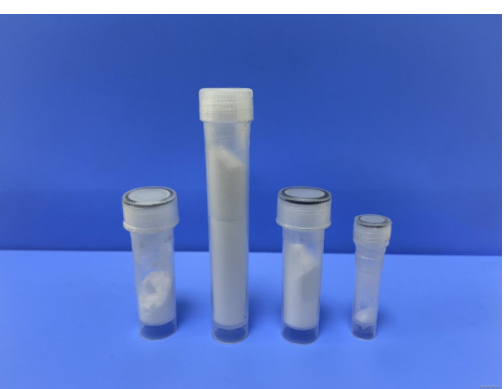
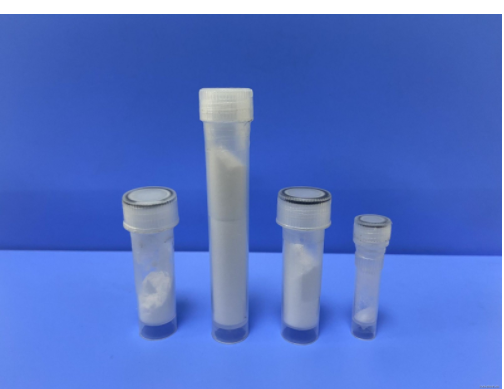
Product Description
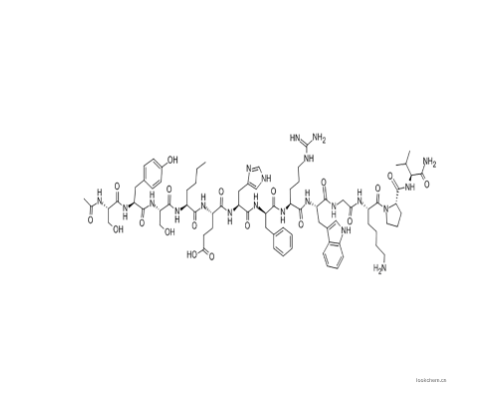
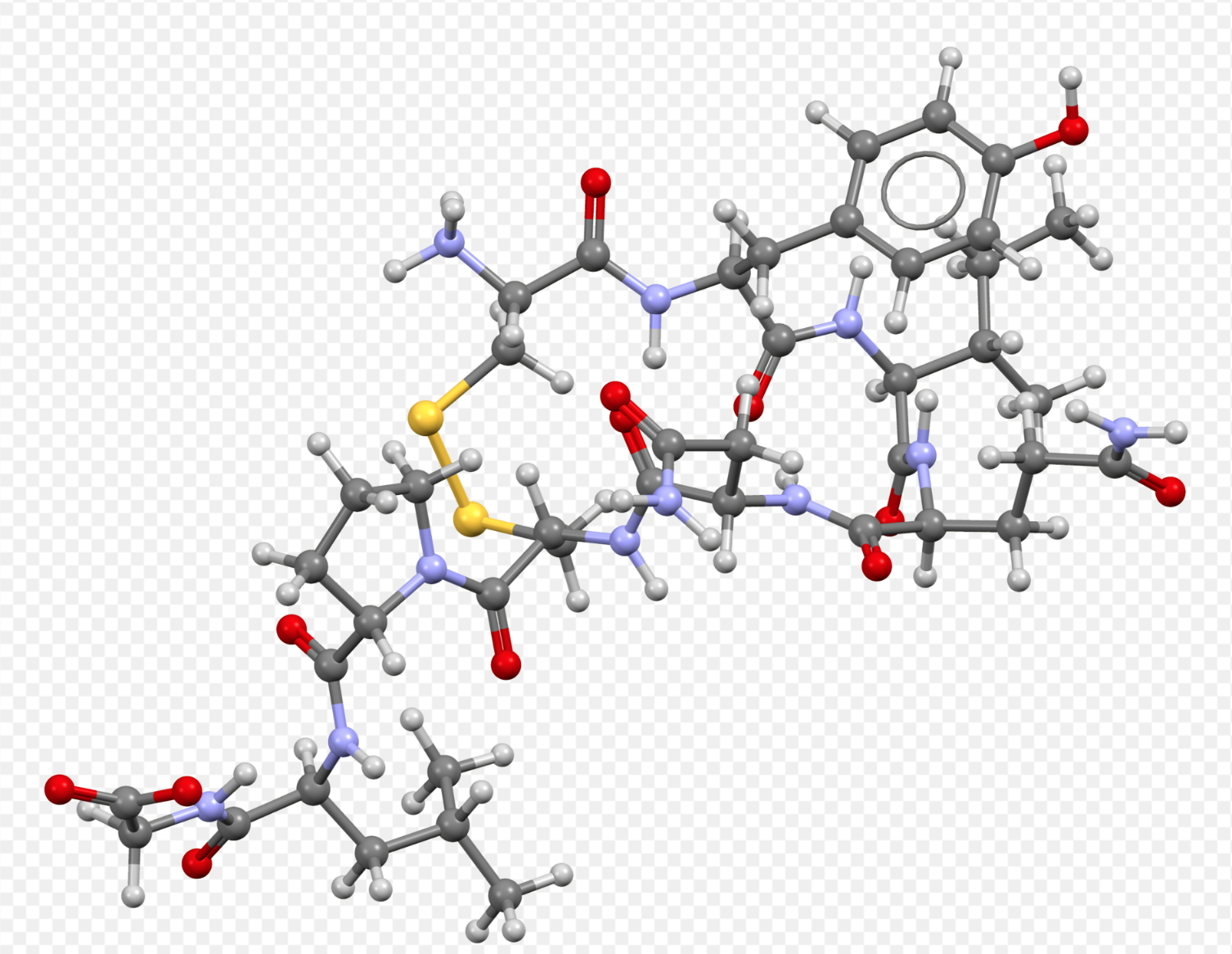
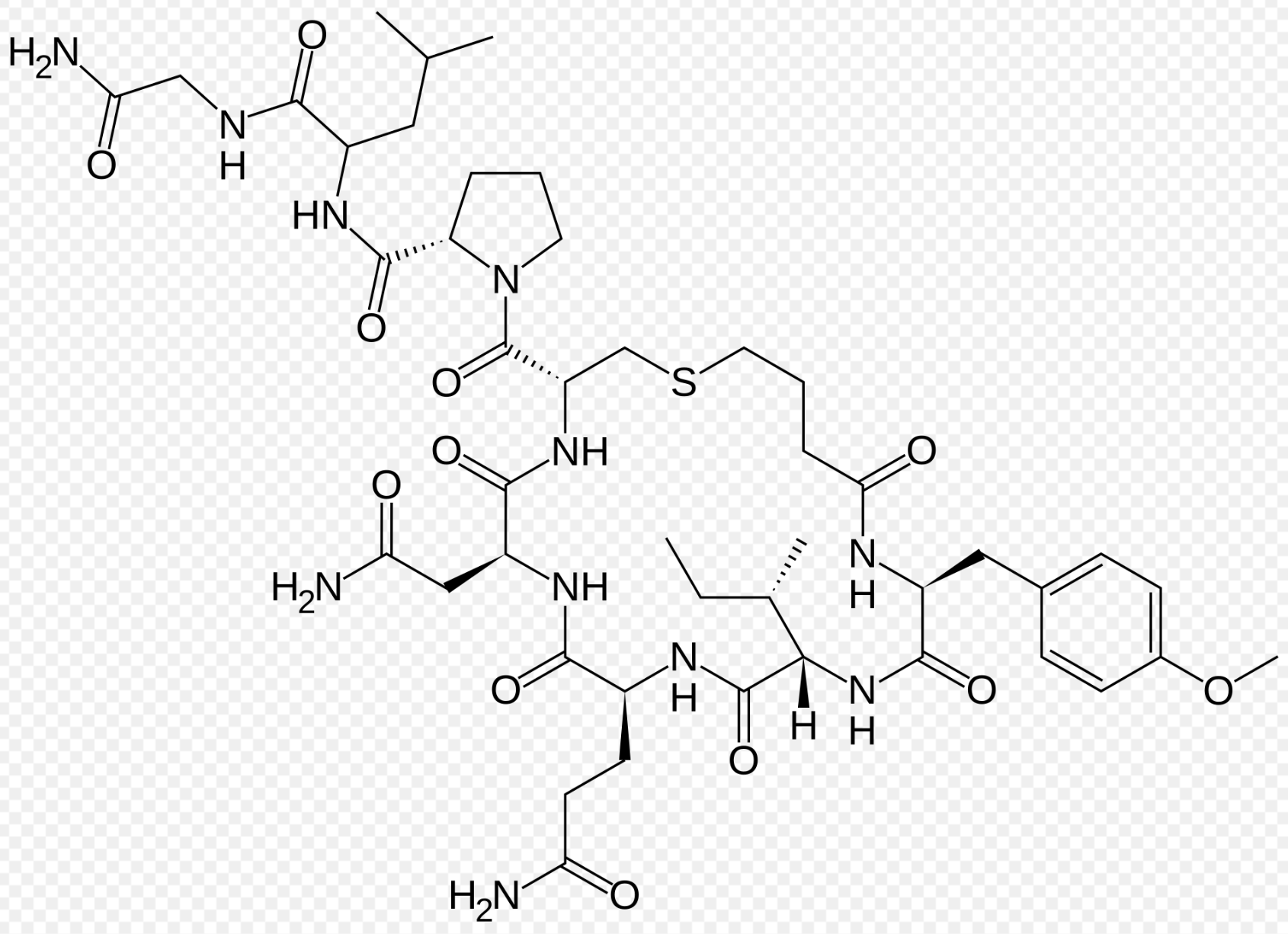
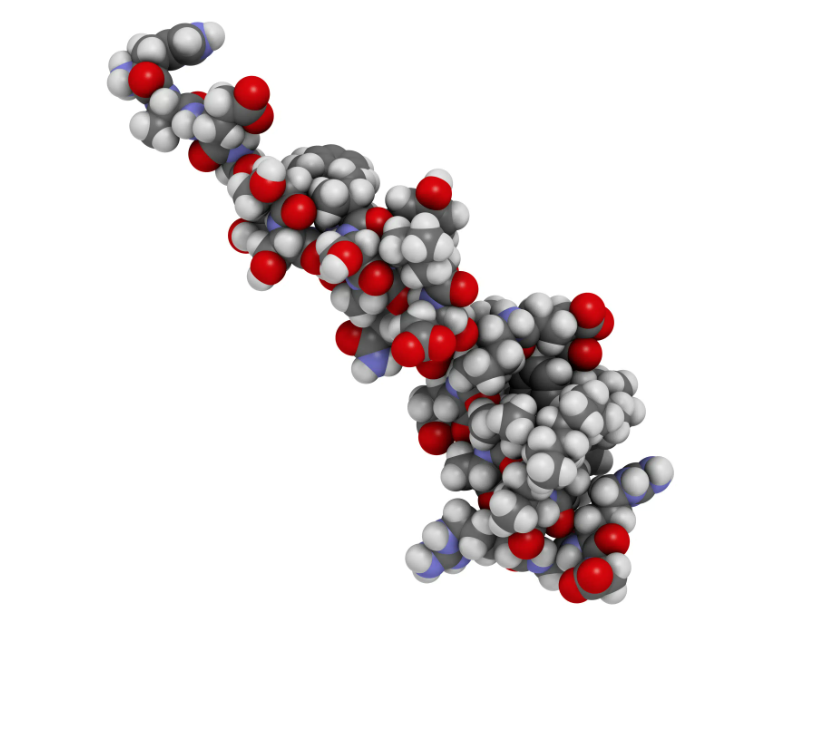
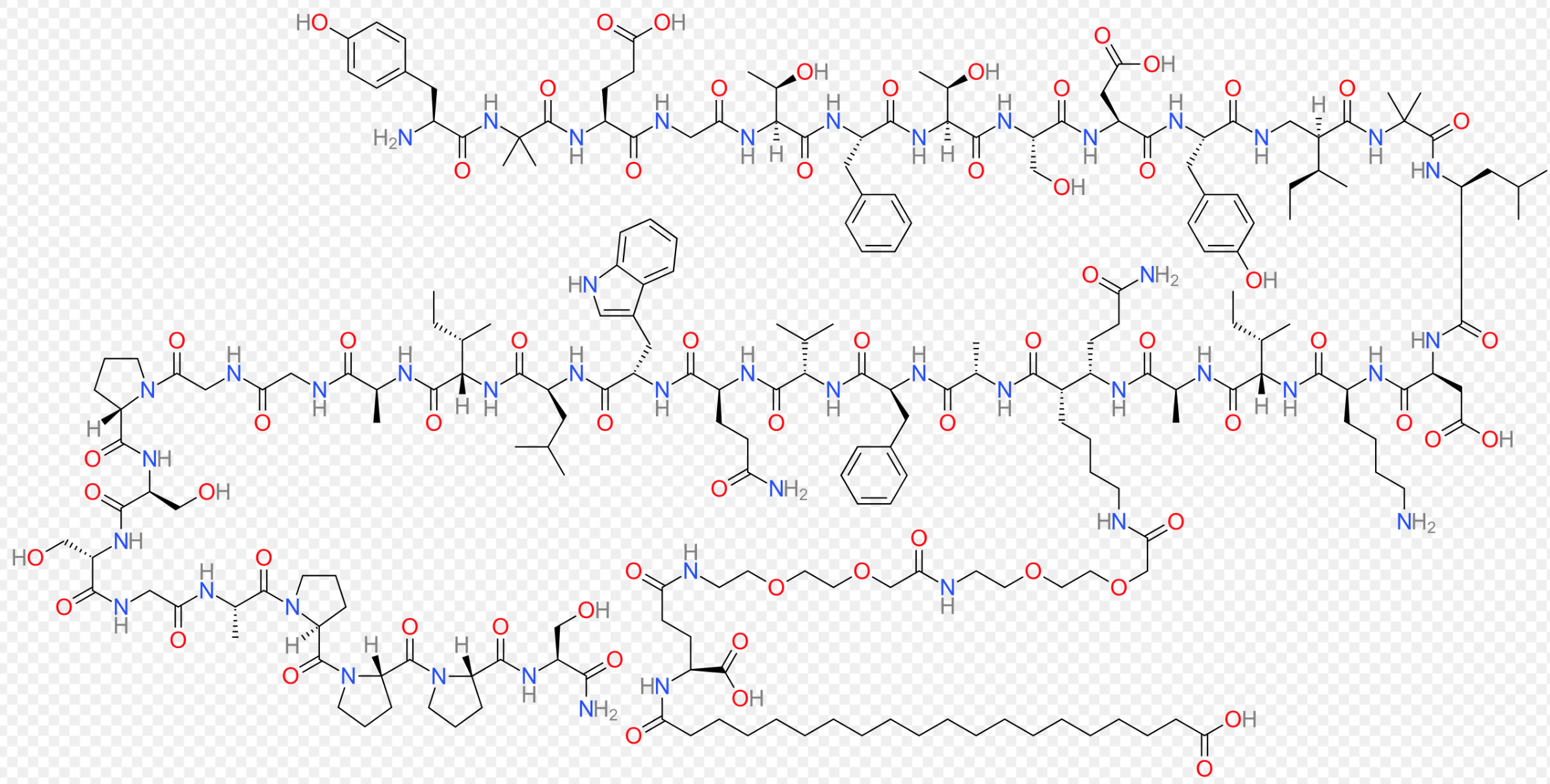
[Pyr1]-Apelin-13 is a peptide composed of 13 amino acids, and the N-terminal of the sequence is Pyr. [Pyr1]-Apelin-13 is a highly effective and selective endogenous apelin receptor agonist, usually used as a rescue drug for cardiac arrest caused by long-acting amide local anesthetic poisoning.
AI Product Description
*The following content is generated by AI and is for reference only.
Pyr1-Apelin-13 is a potent and selective agonist of the apelin receptor (APJ), also known as the angiotensin II type 1-like receptor. This peptide represents a critical modification of the native Apelin-13 molecule, featuring a pyroglutamic acid residue at the N-terminus instead of the standard glutamine. The molecular formula for Pyr1-Apelin-13 is typically C59H84N16O14S, though exact stoichiometry may vary slightly depending on specific salt forms or purification methods used by manufacturers. While a universal CAS number for this specific synthetic analog is not always publicly indexed in major chemical registries due to its status as a research-grade reagent rather than a commercial drug, it is often cataloged under specific vendor codes such as those found in scientific supply databases like Peptide Institute or similar specialized vendors.
This compound serves as an indispensable tool in biomedical research, particularly within the fields of cardiovascular physiology and metabolic regulation. By binding to the APJ receptor with high affinity, Pyr1-Apelin-13 mimics the endogenous effects of the apelin system, which plays a vital role in regulating blood pressure, cardiac contractility, and fluid homeostasis. Researchers utilize this peptide to investigate potential therapeutic strategies for heart failure, hypertension, and ischemia-reperfusion injury. Unlike some other variants, the pyroglutamate modification often enhances stability against enzymatic degradation, allowing for more reliable data collection in both in vitro cell culture assays and in vivo animal models. Its application extends to studying angiogenesis and glucose metabolism, offering insights into how the apelin pathway influences vascular tone and insulin sensitivity. Consequently, Pyr1-Apelin-13 remains a cornerstone compound for pharmacologists exploring novel treatments for cardiovascular diseases. It is strictly intended for laboratory research purposes only and is not approved for human clinical use or therapeutic administration outside of controlled experimental settings. Scientists must handle this substance with appropriate safety protocols, adhering to institutional guidelines regarding peptide handling and disposal to ensure accurate and safe experimental outcomes.

![[Pyr1]-Apelin-13](https://eimg.pharmasources.com/image/product/20201124/3f6e7d9fd11d0457efff0aca6ae2ab8ajpg)




 (All Rights Reserved)