Product Description
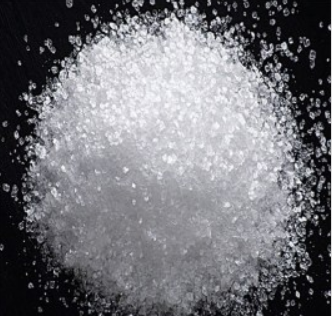
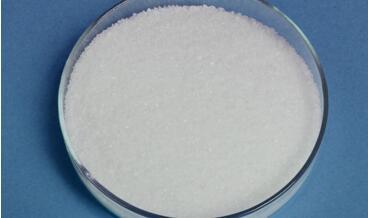
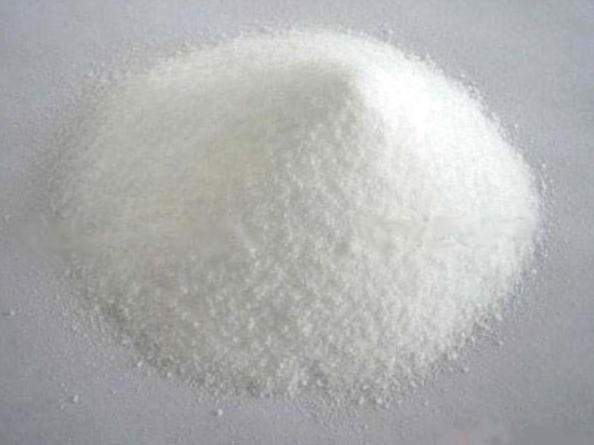
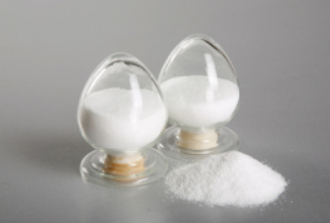
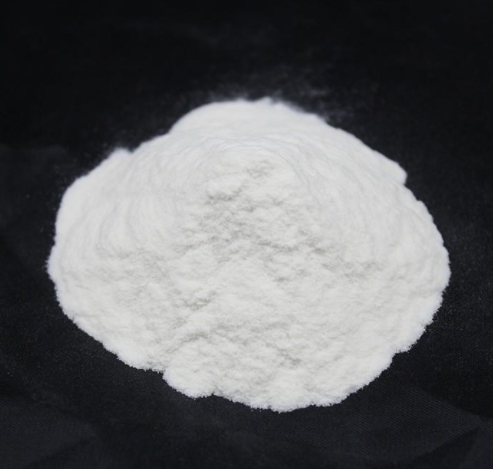
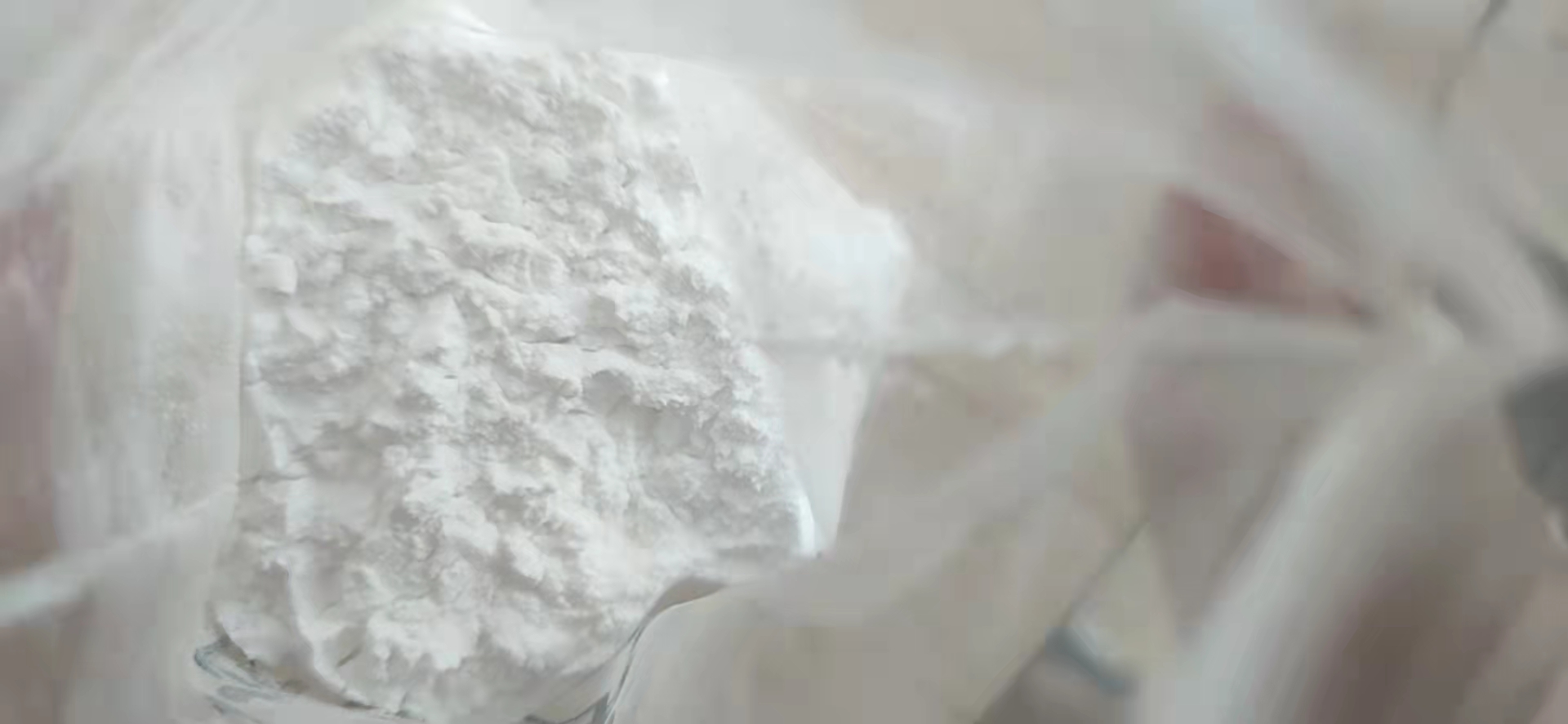
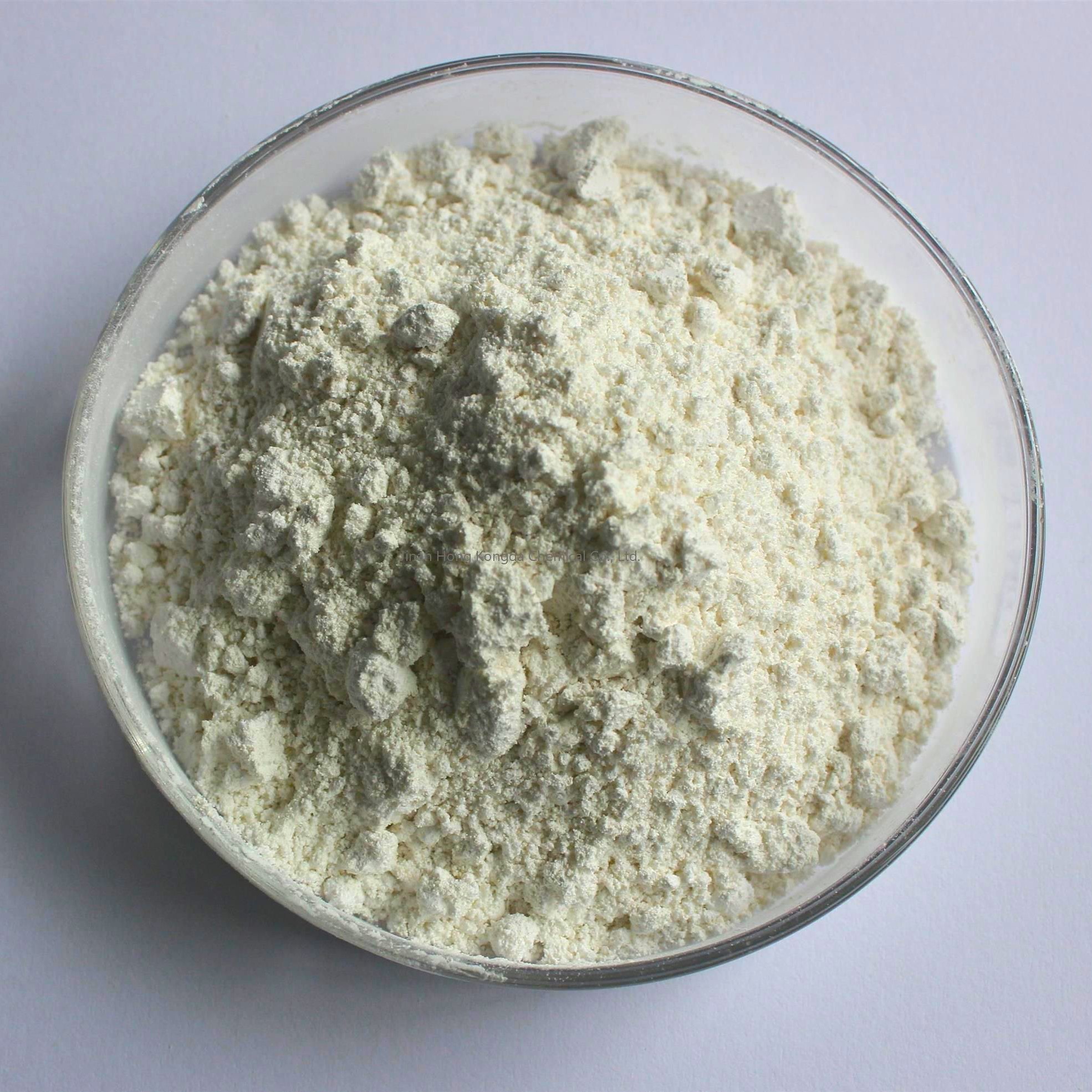
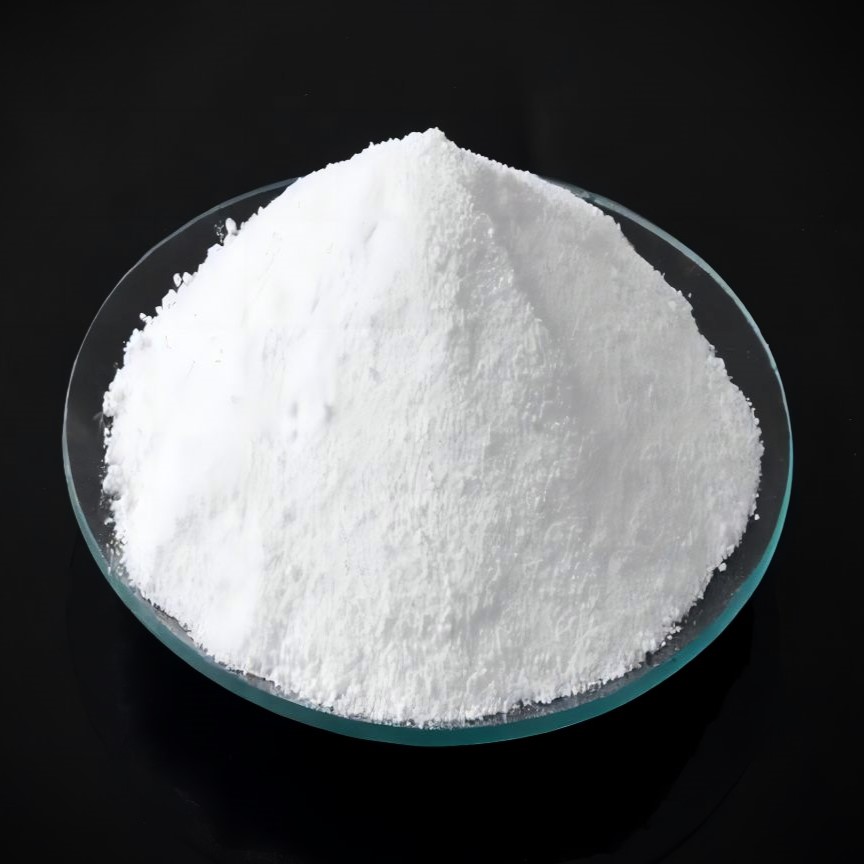
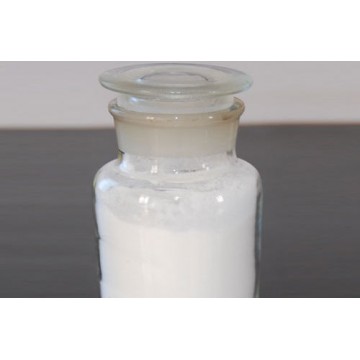
Povidone (polyvinylpyrrolidone, PVP) is used in the pharmaceutical industry as a synthetic polymer vehicle for dispersing and suspending drugs. Povidone K30 has the molecular formula of (C6H9NO)n and appears as a white to slightly off-white powder.
AI Product Description
*The following content is generated by AI and is for reference only.
PVP K30, K90/2-P/NMP refers to a specialized series of Polyvinylpyrrolidone (PVP) grades tailored for advanced industrial applications, particularly in pharmaceuticals, electronics, and coatings. While the specific designation "K90/2-P/NMP" suggests a formulation optimized for N-methyl-2-pyrrolidone (NMP) processing or a specific viscosity profile within the K-value system, the core chemical identity remains rooted in PVP polymers. The fundamental monomer is 1-vinyl-2-pyrrolidone (C5H7NO), and the resulting polymer consists of repeating units with the empirical formula (C6H9NO)n. The CAS number for standard PVP K30 is typically 9003-39-8; however, specific derivatives or mixtures may possess distinct identifiers depending on their exact synthesis and purification processes.
The K-value system, ranging from K10 to K90, indicates the molecular weight and average chain length of the polymer. K30 represents a medium molecular weight grade, offering an optimal balance between solubility and viscosity, making it ideal for tablet binding, film coating, and as a dispersing agent. In contrast, higher K-values like K90 denote longer chains with increased viscosity, suitable for high-strength adhesion or specialized protective layers. When associated with NMP, these products are frequently utilized in battery electrode manufacturing, where they act as binders for lithium-ion batteries, ensuring structural integrity of active materials during cycling. Additionally, PVP variants serve as crucial components in inkjet printing inks, photographic films, and contact lens solutions due to their excellent biocompatibility and non-toxic nature. They function effectively as stabilizers, preventing particle aggregation in suspensions and enhancing the clarity of transparent films. The versatility of PVP stems from its ability to form strong hydrogen bonds while maintaining water solubility, allowing for broad application across diverse sectors including cosmetics, food additives, and medical devices. Whether used as a disintegrant in solid dosage forms or a rheology modifier in industrial coatings, this family of polymers remains indispensable in modern material science, providing reliable performance under varying environmental conditions.





 (All Rights Reserved)