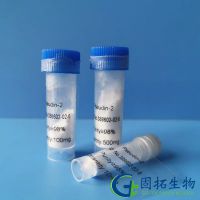
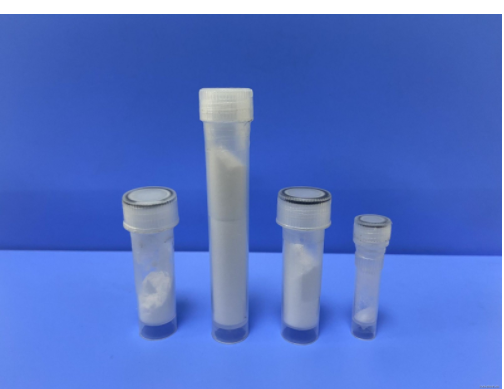
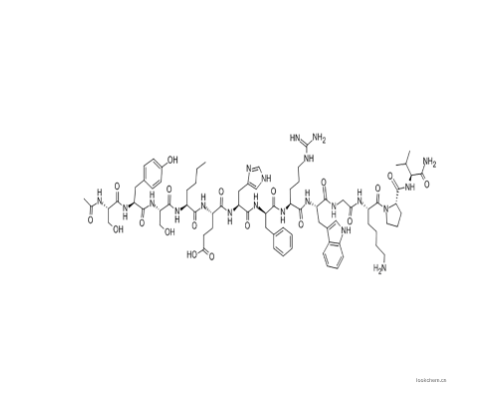
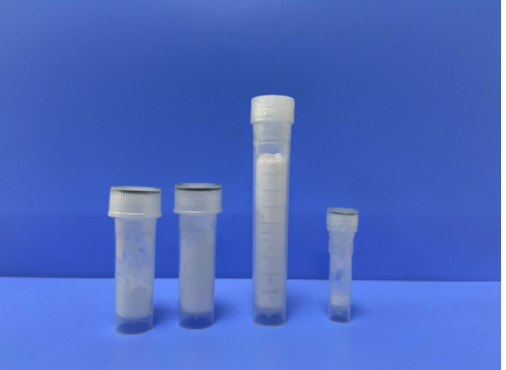
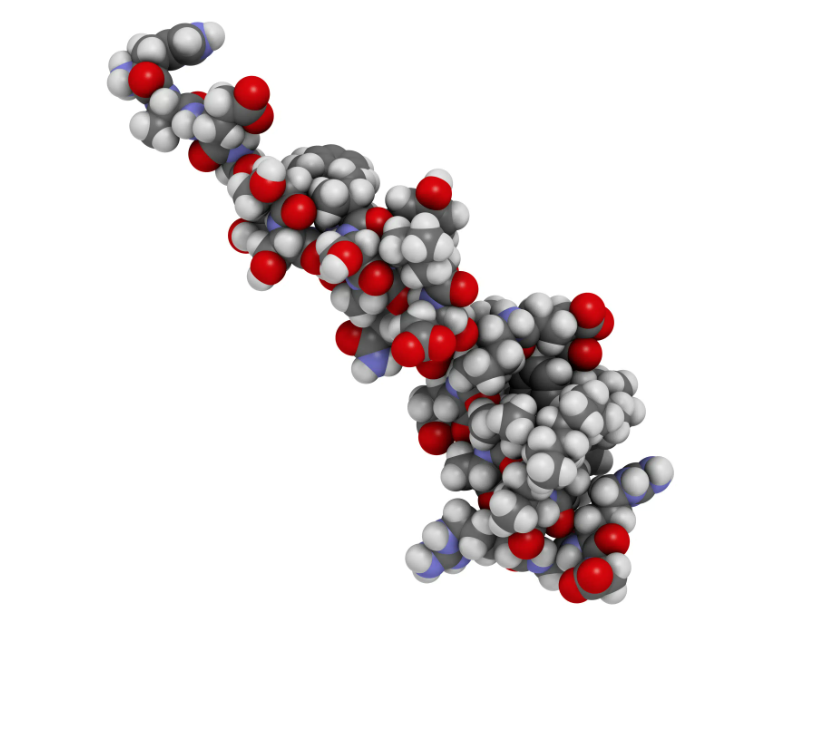
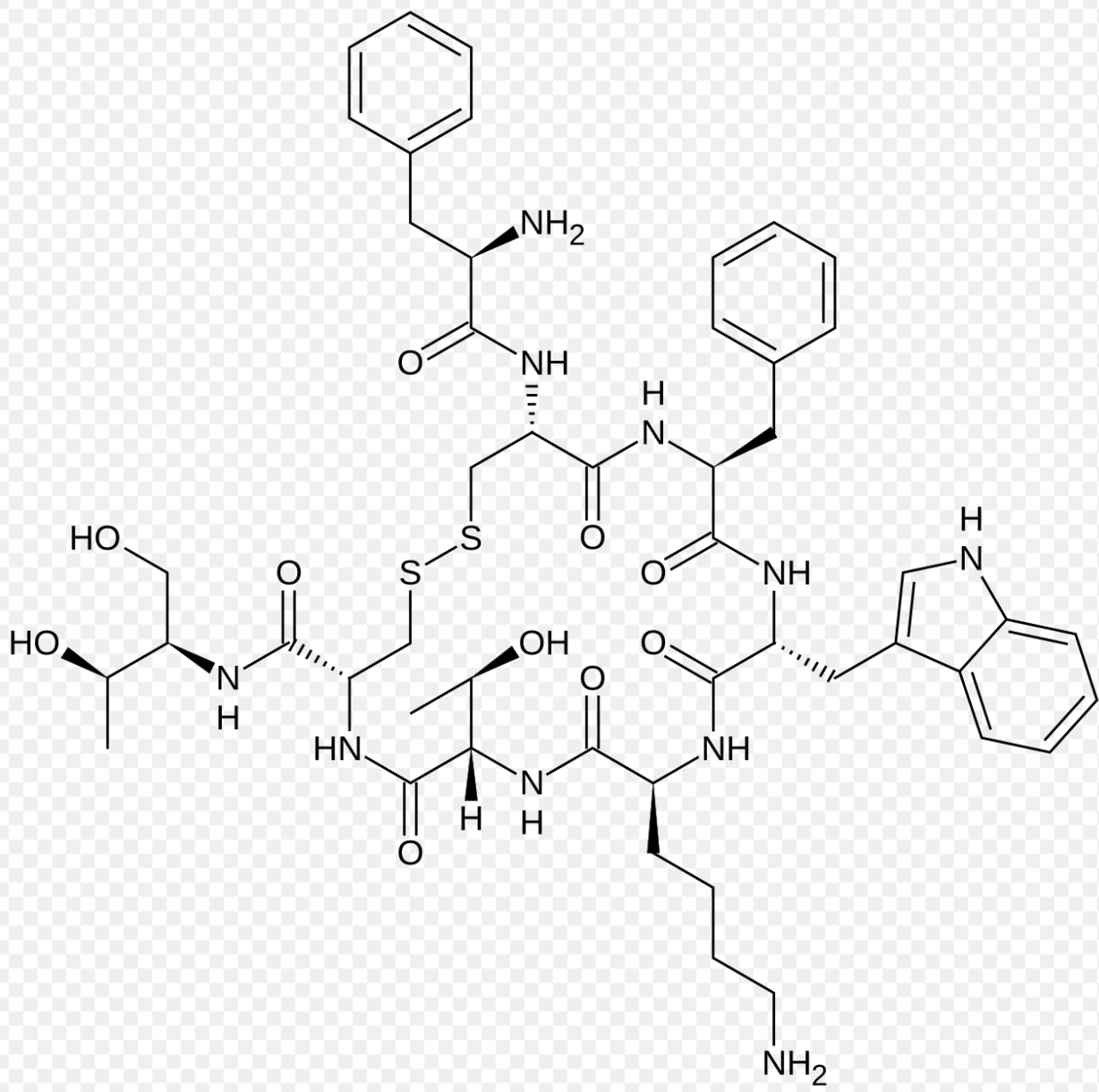
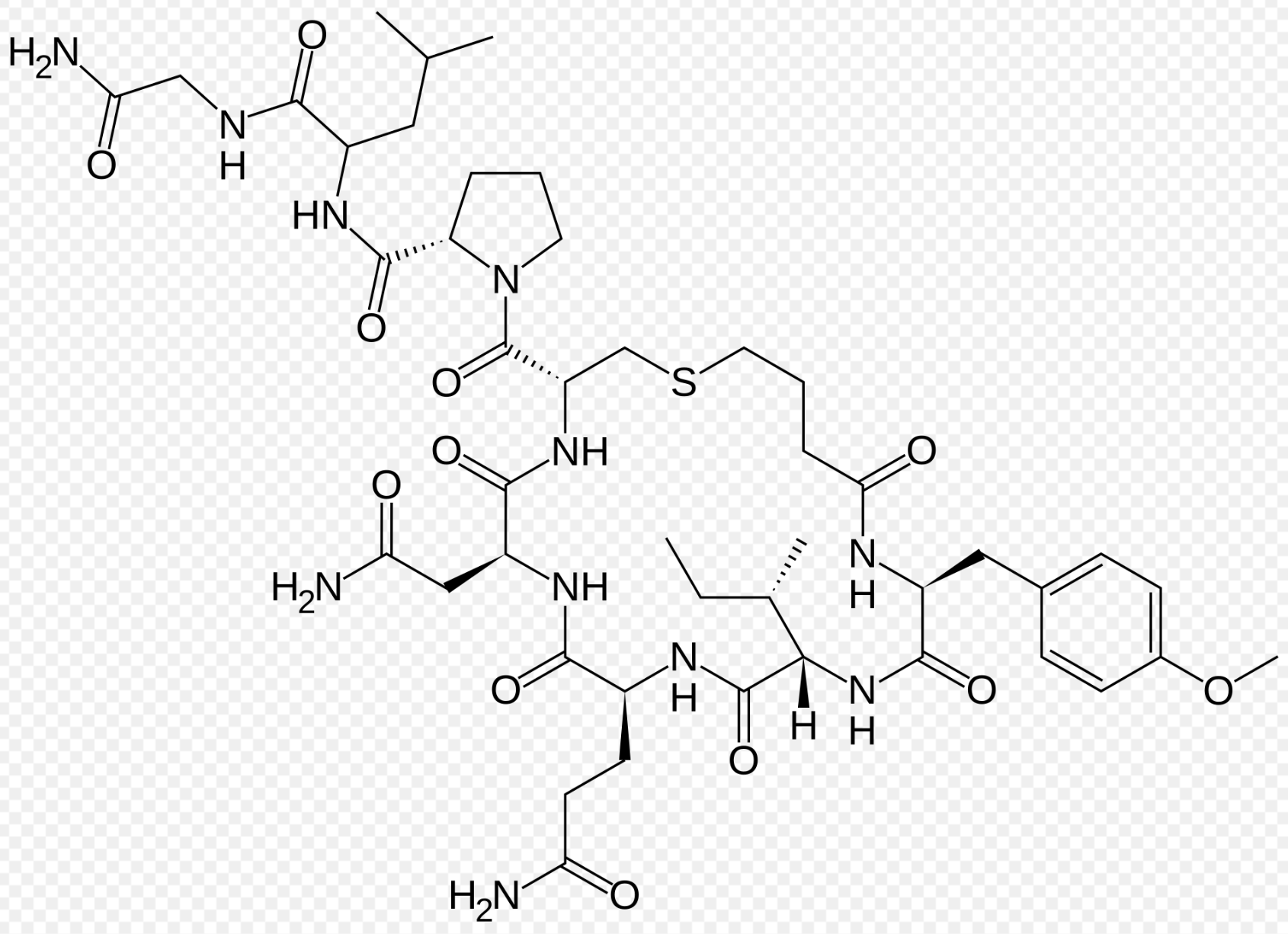
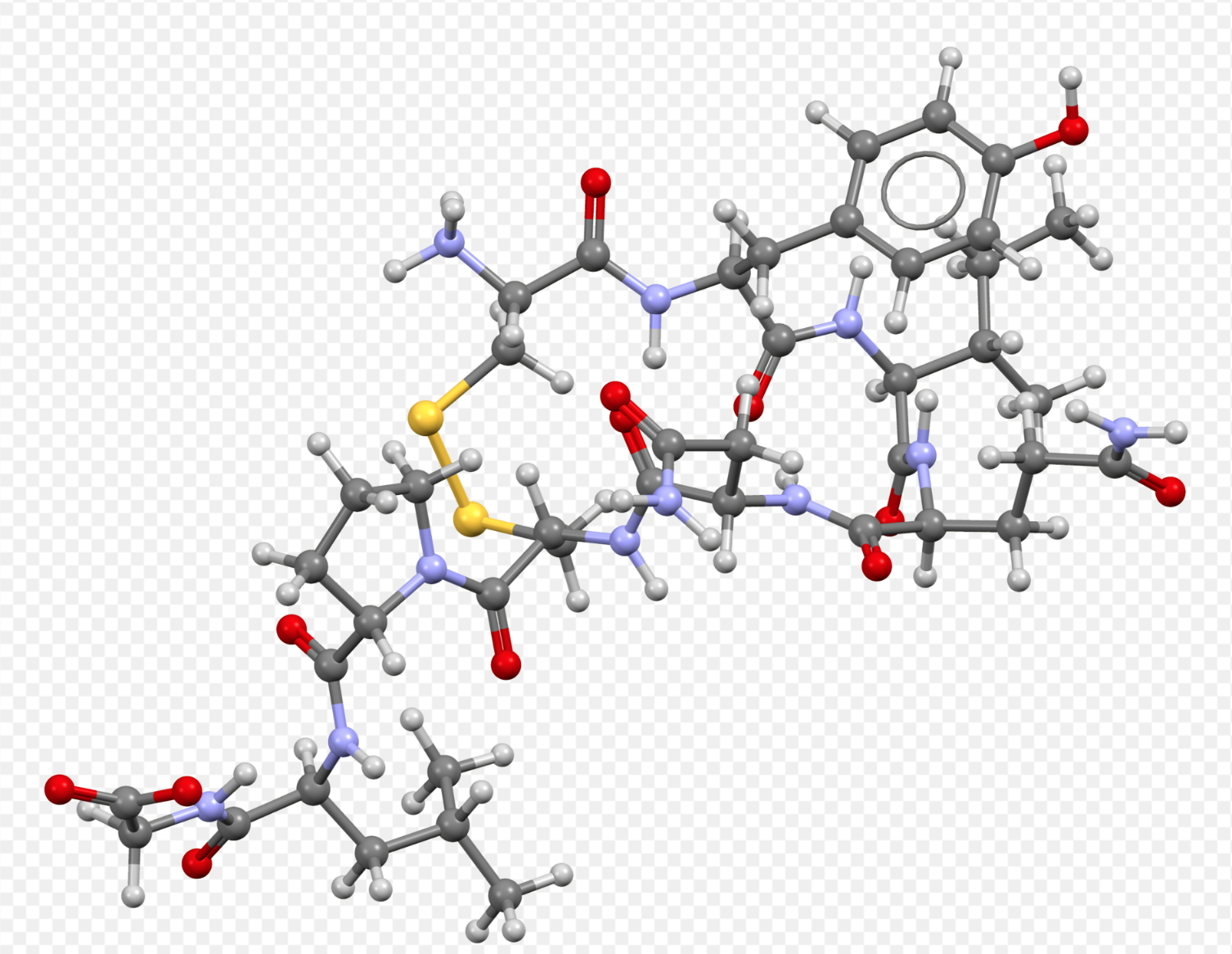
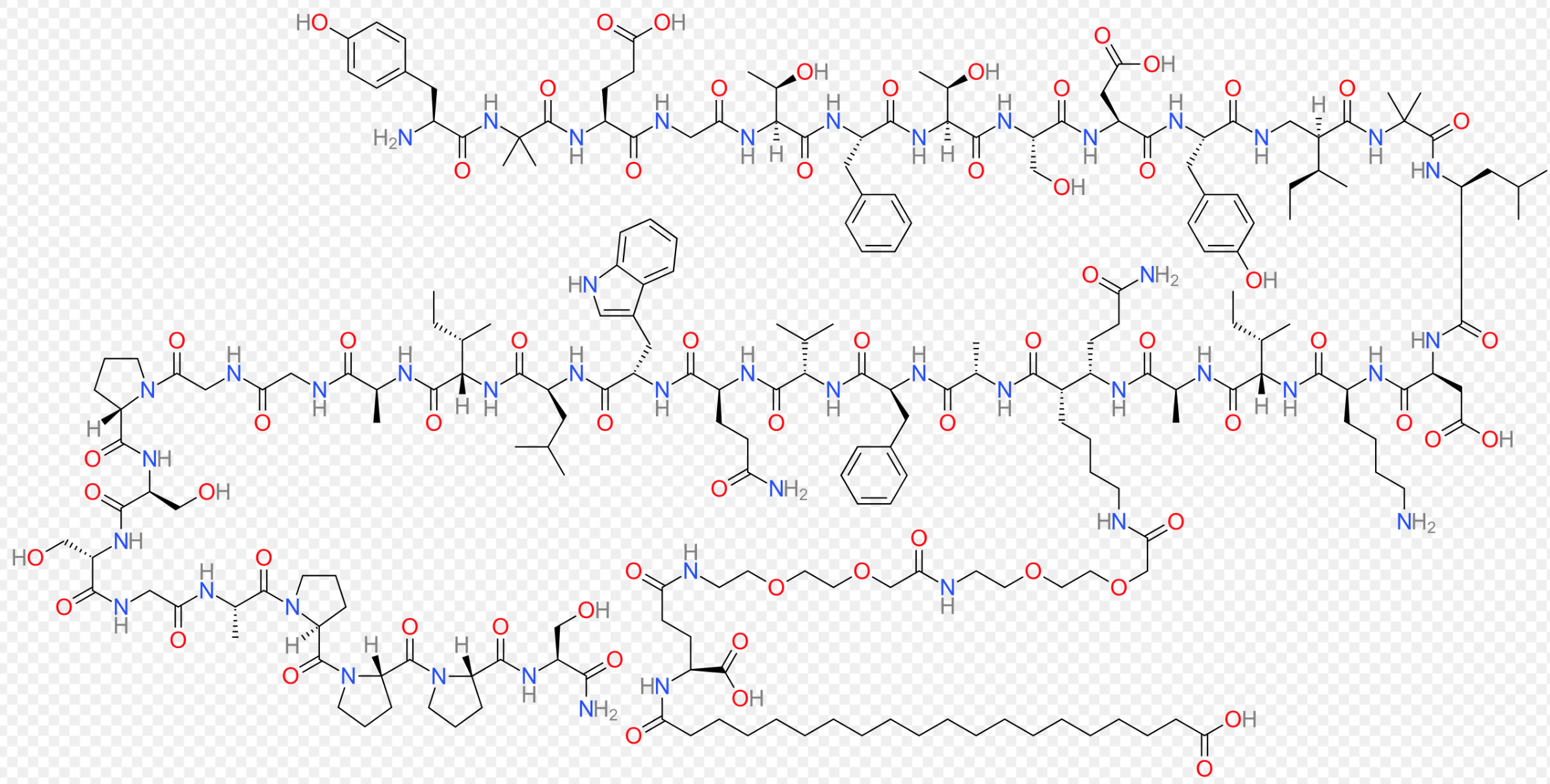
Pseudin-2 is a naturally occurring 24 amino acid residue antibacterial peptide, which was first isolated from the skin of South American frog. Membrane simulation experiments can prove that Pseudin-2 has an amphiphilic α-helix conformation. The neutral and acidic amino acid residues on the hydrophilic surface of the α-helix are gradually replaced by lysine, and the cationicity and α-helicity are chemically synthesized. Increased peptide analogs, so Pseudin-2 has weak hemolytic and cytolytic activity, but its effectiveness on microorganisms is also relatively low.