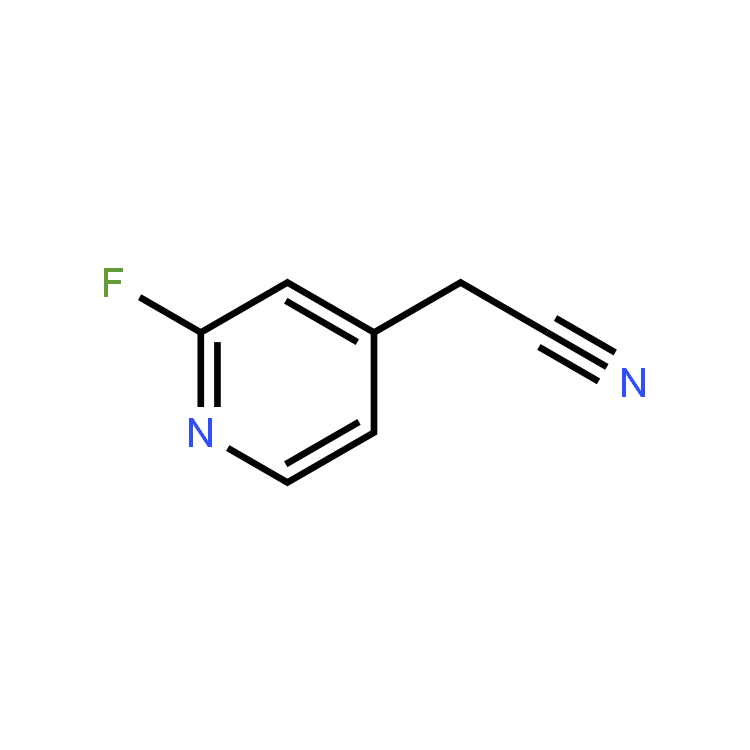
Product Description
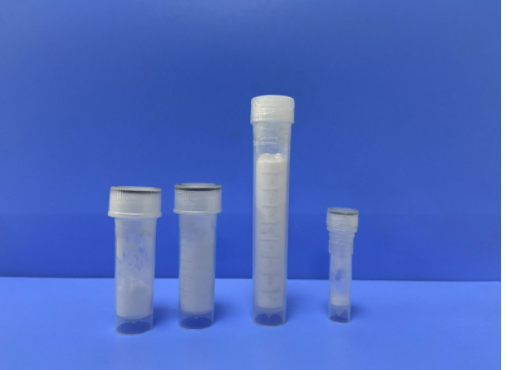
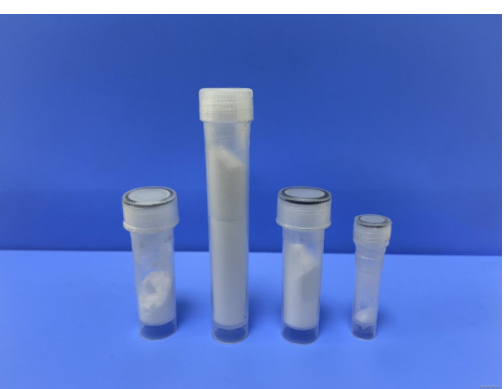
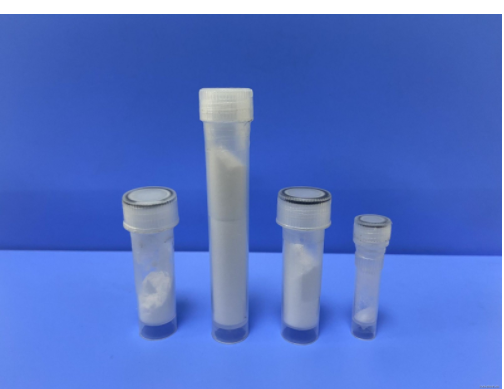
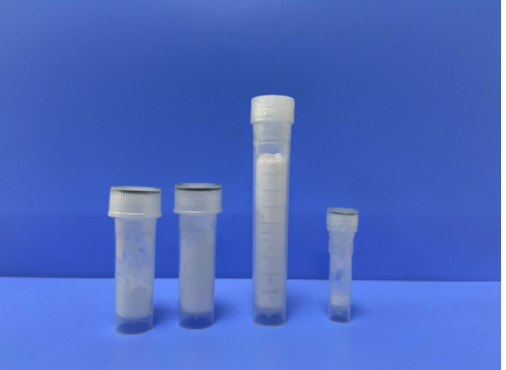
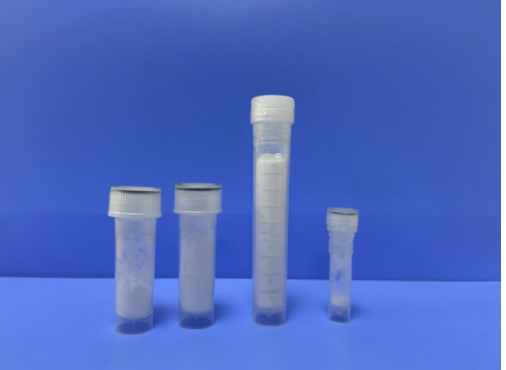
Brand: Gutuo Appearance: white solid Storage: shading, cool and dry, sealed and stored Purity: ≥99% Main use: pharmaceutical intermediates Executive standard: enterprise standard Specification: 25kg/barrel or 1kg/bag (subject to customer requirements) Sales scope: nationwide
AI Product Description
*The following content is generated by AI and is for reference only.
Protein hydrolyzates derived from yeast represent a sophisticated class of bioactive ingredients produced through the controlled enzymatic or acidic breakdown of yeast cell proteins. This process converts complex, high-molecular-weight proteins into smaller peptides and free amino acids, significantly enhancing their solubility, digestibility, and biological availability. Unlike whole yeast extracts, these hydrolyzates offer a consistent profile of essential and non-essential amino acids, including glutamine, arginine, and lysine, which are critical for various physiological functions.
The primary application of yeast protein hydrolyzates lies in the nutraceutical and pharmaceutical industries, where they serve as potent nutritional supplements. They are widely utilized to support muscle recovery, boost immune system function, and improve nitrogen balance in patients with metabolic stress or malnutrition. Due to their hypoallergenic nature compared to some animal-based proteins, they are increasingly favored in clinical nutrition formulas designed for individuals with compromised digestive systems. Furthermore, the food and beverage sector employs these hydrolyzates as flavor enhancers, providing a savory umami taste without the need for artificial additives, while also acting as functional ingredients that improve dough strength in baking processes.
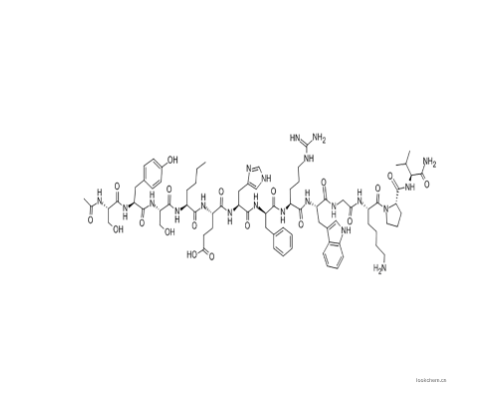
In the realm of cosmetic science, yeast-derived hydrolyzates are valued for their skin-conditioning properties. They help maintain moisture levels, promote collagen synthesis, and protect against environmental stressors, making them popular components in anti-aging serums and moisturizers. Additionally, the agricultural industry utilizes specific fractions as biostimulants to enhance plant growth and stress resistance. While specific molecular formulas vary depending on the source strain (typically *Saccharomyces cerevisiae*) and the hydrolysis method employed, resulting in a heterogeneous mixture rather than a single defined structure, the general chemical composition is characterized by a rich array of short-chain peptides. These products do not possess a single CAS number due to their variable nature; instead, they are often categorized under broad regulatory classifications for protein hydrolysates. Their versatility, safety profile, and efficacy make them indispensable across multiple high-value industries seeking natural, bioavailable protein sources.





 (All Rights Reserved)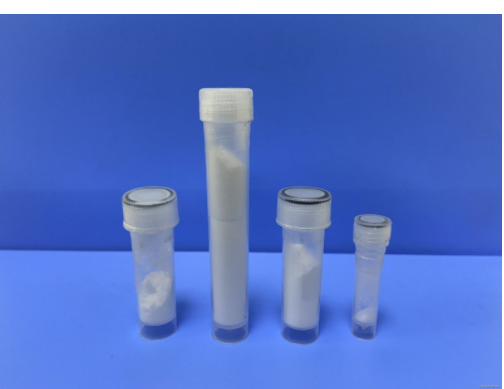

![8-Oxa-1,3-diazaspiro[4.5]decane-2,4-dione](https://eimg.pharmasources.com/image/product/20250403/60fa7223d5a34f24138486ceea0ffb15jpg)
![8,16-Diazadispiro[6.1.6.2]heptadecan-17-one](https://eimg.pharmasources.com/image/product/20250403/ca91cba8b87e53fc879f8d8764873a40jpg)
![6,8-Dioxo-5,7-diazaspiro[3.4]octane-2-carboxylic acid](https://eimg.pharmasources.com/image/product/20250403/02effeb5a7639bc84ff1f3add3c0c64fjpg)