Product Description
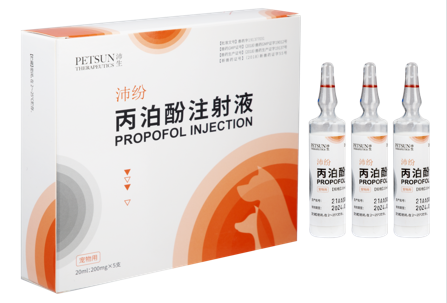
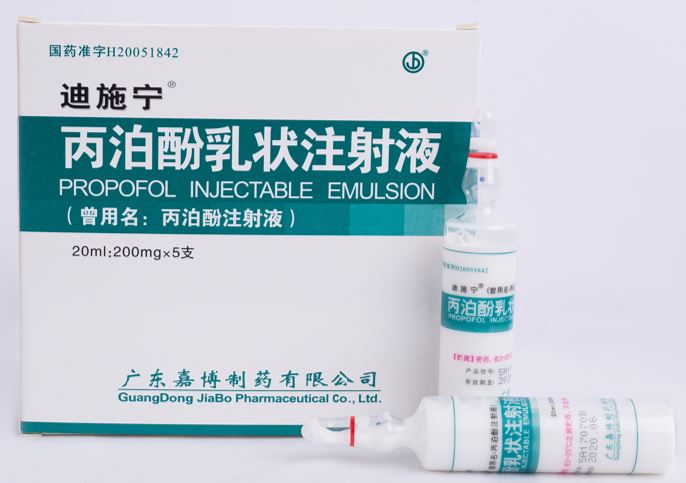
Drafting unit of the quality standard of Propofol Injection in China
➢The first domestic enterprise to include known impurities in quality standards
➢Pass the consistency evaluation by NMPA
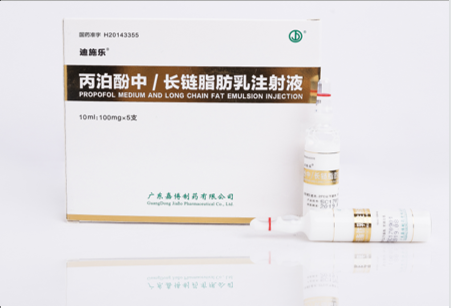
Strength: 20ml : 200mg
AI Product Description
*The following content is generated by AI and is for reference only.
Propofol Injectable Emulsion is a potent, short-acting intravenous anesthetic agent widely utilized in clinical settings for the induction and maintenance of general anesthesia. It is also frequently employed for sedation of intubated patients in intensive care units (ICU) and for procedural sedation in various diagnostic or therapeutic interventions. The drug functions primarily as a GABA-A receptor agonist, enhancing inhibitory neurotransmission to produce rapid onset of unconsciousness, amnesia, and hypnosis with a quick recovery profile characterized by minimal hangover effects.
The formulation appears as a white, oil-in-water emulsion containing propofol, soybean oil, glycerol, egg phosphatide, and sodium hydroxide for pH adjustment. Due to its lipid content, it serves as an excellent culture medium for microorganisms; therefore, strict aseptic techniques are mandatory during preparation and administration. Once the vial or syringe is opened, any unused portion must be discarded immediately to prevent bacterial contamination.
Critical safety considerations include the risk of respiratory depression, apnea, and hypotension, which may require immediate airway management and hemodynamic support. Propofol Infusion Syndrome (PRIS), a rare but potentially fatal complication involving metabolic acidosis, rhabdomyolysis, and cardiac failure, is associated with prolonged high-dose infusions, particularly in pediatric ICU patients. Consequently, dosages should be titrated carefully based on patient response, age, and physiological status. Patients with known hypersensitivity to propofol, soybeans, eggs, or peanuts should not receive this medication. Additionally, caution is advised in elderly patients, those with severe hepatic impairment, or individuals with compromised cardiovascular function, as they may exhibit increased sensitivity. Monitoring of vital signs, including oxygen saturation, blood pressure, and heart rate, is essential throughout the procedure. While Propofol offers superior recovery characteristics compared to older anesthetics, its narrow therapeutic index necessitates skilled administration by trained anesthesia professionals equipped to manage potential adverse events effectively.




 (All Rights Reserved)