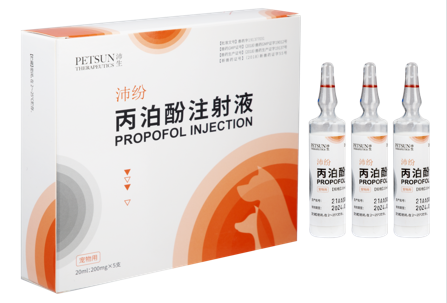
The first generic drug of Propofol MCT/LCT launched in China
➢Significantly reduced injection pain, Less dependence on carnitine
transport, Accelerate lipid metabolism
➢Pass the consistency evaluation by NMPA
Strength: 20ml : 200mg
*The following content is generated by AI and is for reference only.
Propofol Medium and Long Chain Fat Emulsion Injection is a widely utilized intravenous anesthetic agent designed for the induction and maintenance of general anesthesia in both adults and pediatric patients. Formulated as a lipid-based emulsion containing medium-chain triglycerides (MCT) and long-chain triglycerides (LCT), this formulation offers distinct pharmacokinetic advantages over traditional propofol preparations. The unique combination allows for rapid onset of action, typically within one minute, facilitating quick patient sedation, while its short context-sensitive half-life enables rapid recovery with minimal post-operative drowsiness. This makes it particularly suitable for procedures requiring precise control of anesthesia depth, such as day-case surgeries, endoscopies, and intensive care unit sedation.
The product functions primarily by enhancing the activity of gamma-aminobutyric acid (GABA) receptors in the central nervous system, resulting in a dose-dependent suppression of neuronal activity. Due to its lipid vehicle, the injection must be administered strictly via a dedicated intravenous line to prevent complications like phlebitis or extravasation. It is contraindicated in patients with known hypersensitivity to propofol, soy products, egg proteins, or any component of the emulsion. Special caution is required when administering to elderly patients, those with severe hepatic impairment, or individuals with compromised respiratory function, as these groups may experience prolonged sedative effects or hemodynamic instability.
Furthermore, strict aseptic technique is mandatory during preparation and administration because the lipid emulsion can support bacterial growth if contaminated. Healthcare providers must monitor vital signs continuously, including blood pressure, heart rate, and oxygen saturation, throughout the procedure. Resuscitation equipment should be immediately available due to the risk of apnea or hypotension upon induction. While generally well-tolerated, rare but serious adverse events such as Propofol Infusion Syndrome (PRIS) can occur with prolonged high-dose infusions, necessitating careful dosage management and regular clinical assessment to ensure patient safety and optimal therapeutic outcomes.

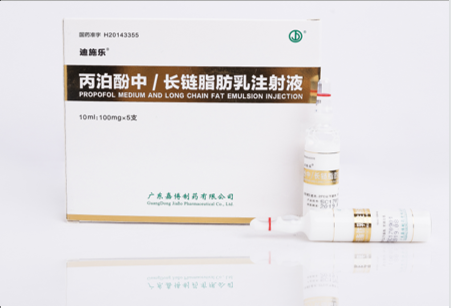



 (All Rights Reserved)