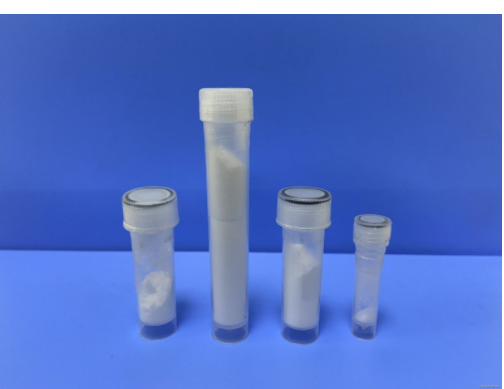
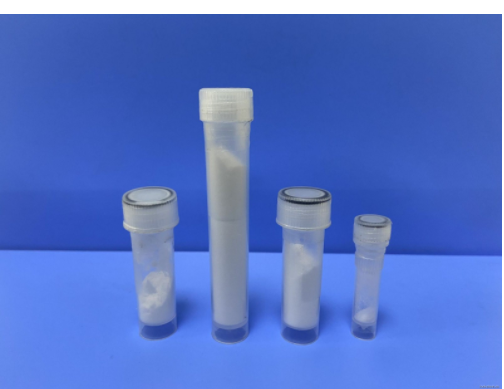
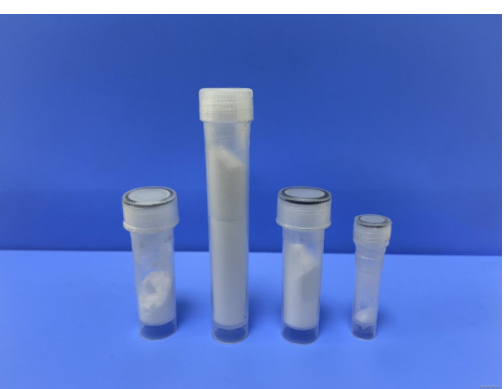
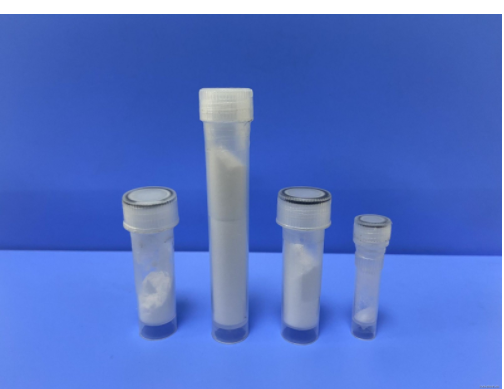
Product Description
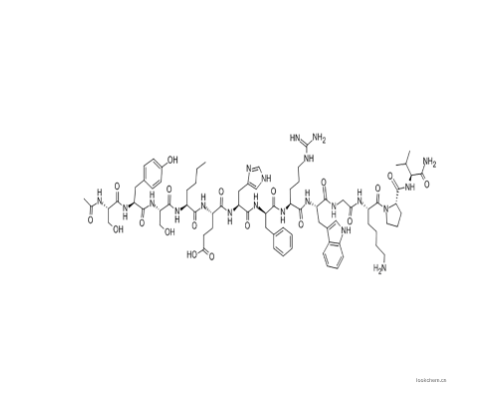
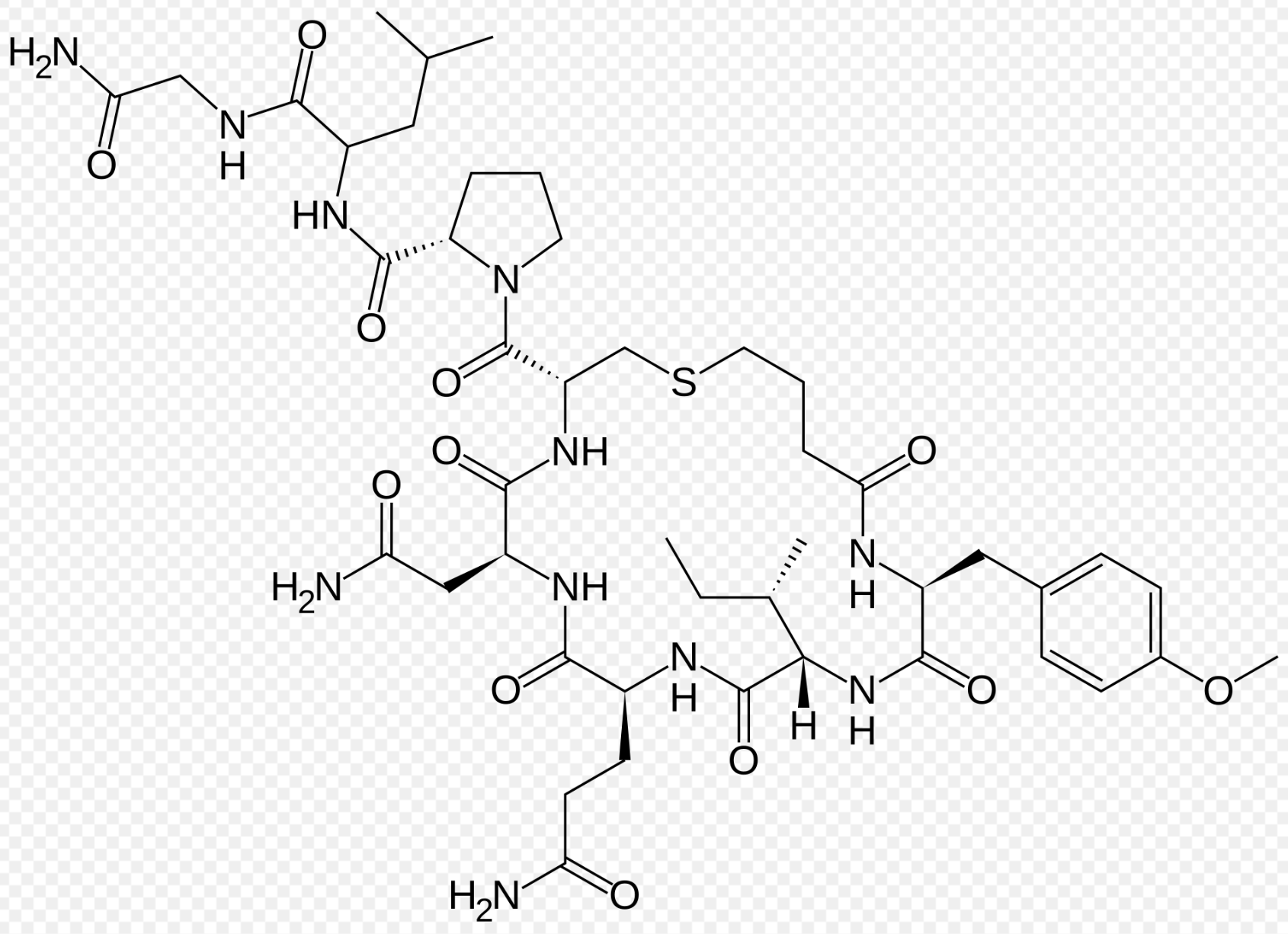
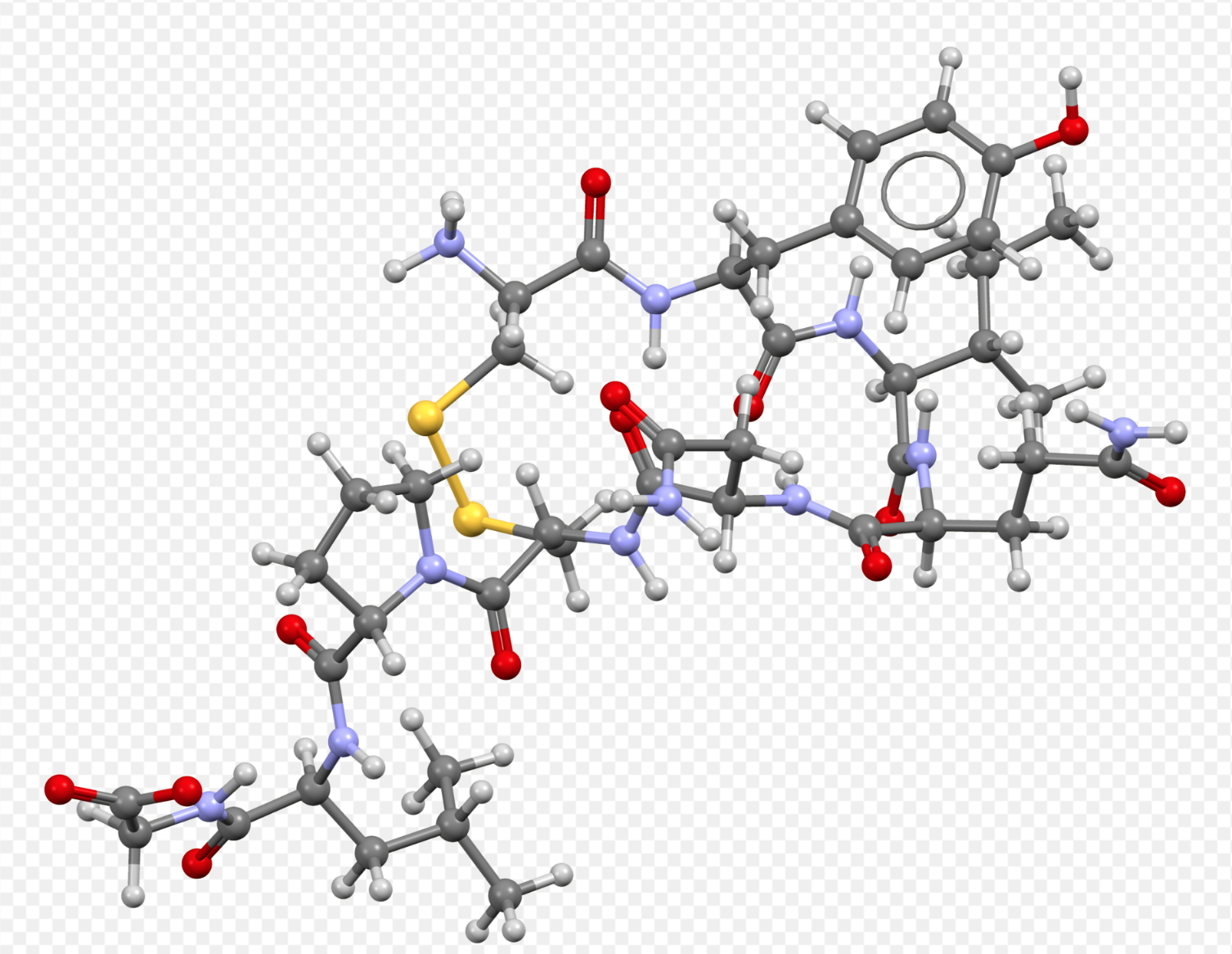
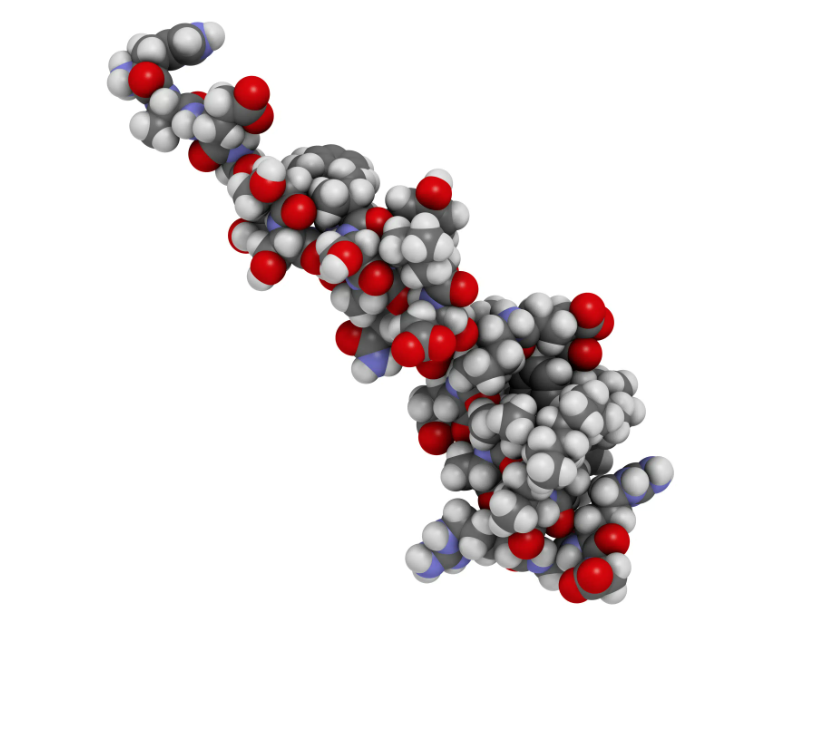
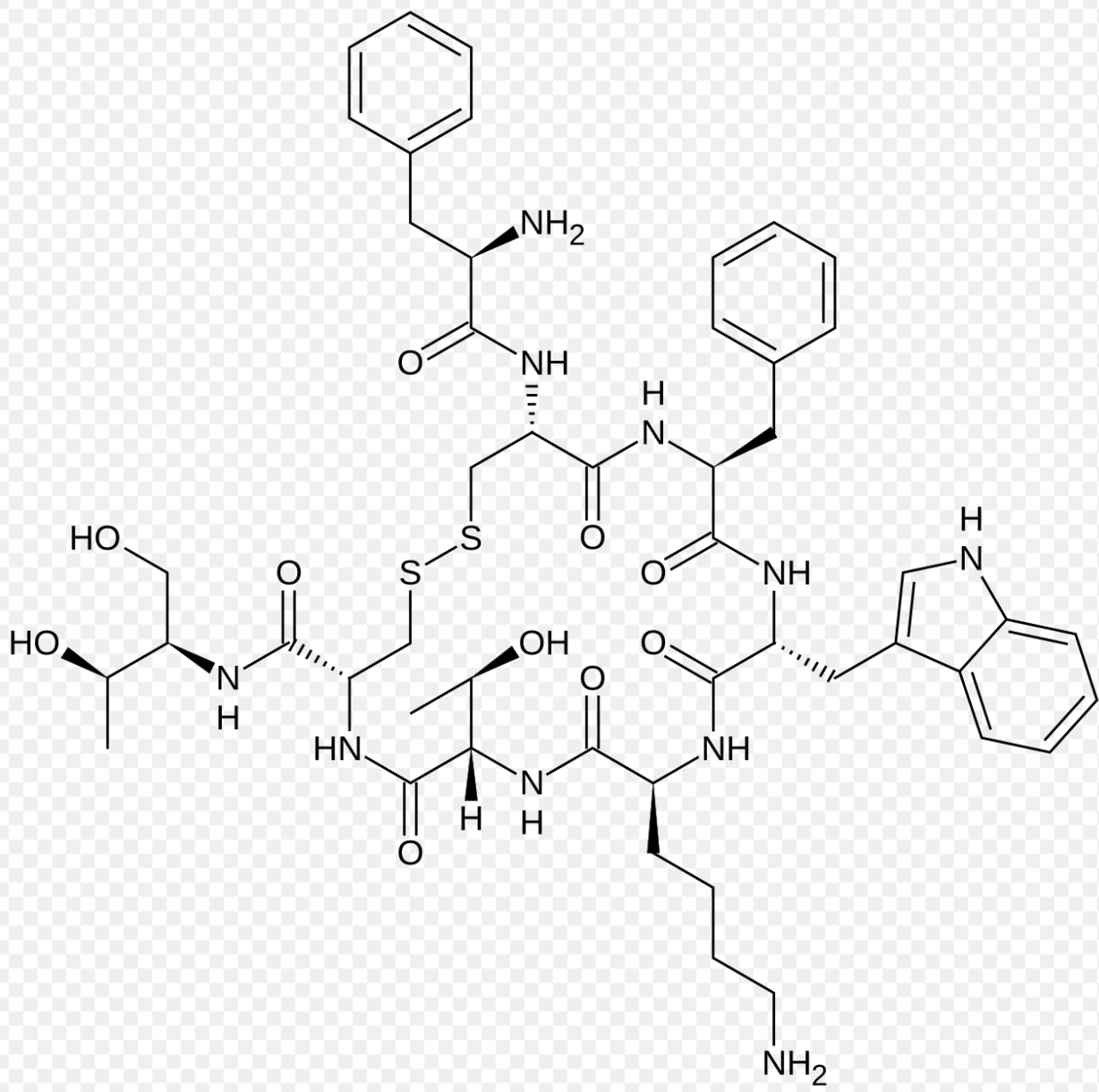
Polymyxin B nonapeptide (86408-36-8) is a cationic cyclic peptide consisting of 9 amino acids. The sequence contains 5 Dabs. Its main functional group is amino. It is a peptide derived from the antibiotic polymyxin B. Polymyxin B nonapeptide can interact with the outer membrane of Gram-negative bacteria to increase the permeability of the membrane by promoting hydrophobic diffusion.
AI Product Description
*The following content is generated by AI and is for reference only.
Polymyxin B nonapeptide, a bioactive cyclic peptide derivative of the clinically significant antibiotic Polymyxin B, serves as a crucial research tool in biochemical and pharmacological studies. With the Chemical Abstracts Service (CAS) registry number 12640-83-6, this compound is chemically characterized by its distinct molecular formula, C59H96N18O17S2. It consists of a unique cyclic heptapeptide backbone linked to a pentapeptide tail, derived from the hydrolysis of the parent Polymyxin B molecule, which retains specific structural motifs while losing the primary antimicrobial potency associated with the full-length polymer.
The primary application of Polymyxin B nonapeptide lies in its ability to interact selectively with lipopolysaccharides (LPS) found on the outer membrane of Gram-negative bacteria. Unlike its parent compound, it exhibits significantly reduced cytotoxicity toward mammalian cells, making it an ideal agent for neutralizing endotoxins in vitro. Researchers frequently utilize it to study bacterial cell wall integrity, membrane permeability, and the mechanisms of endotoxic shock. In laboratory settings, it acts as a potent inhibitor of LPS-induced inflammation, allowing scientists to dissect signaling pathways triggered by bacterial toxins without the confounding effects of broad-spectrum bactericidal activity.
Furthermore, this peptide is extensively employed in protein purification protocols, specifically for isolating endotoxin-free proteins from bacterial cultures. Its high affinity for lipid A components enables the effective removal of trace endotoxin contaminants that could otherwise compromise sensitive biological assays or therapeutic protein production. While not currently approved for direct clinical use as a standalone drug due to its lack of systemic antibacterial efficacy compared to the parent antibiotic, Polymyxin B nonapeptide remains indispensable in basic science. It facilitates critical investigations into host-pathogen interactions, immune response modulation, and the development of novel anti-endotoxic therapies. As a specialized reagent, it bridges the gap between fundamental microbiology and translational medicine, offering researchers a precise method to control endotoxin variables and explore the complexities of Gram-negative bacterial physiology.





 (All Rights Reserved)