Product Description
1、As bulk pharmaceutical used to relieve convulsions;
2、As Pharmaceutical chemical intermediates used to
manufacture many kinds of pharmaceuticals and pesticides;
3、Used as chemical products and chemical preservatives;
4、As testing reagent used
AI Product Description
*The following content is generated by AI and is for reference only.
Phloroglucinol anhydrous, chemically known as 1,3,5-trihydroxybenzene, is a versatile aromatic compound widely utilized across various industrial and research sectors. Its molecular formula is C6H6O3, and it carries the CAS Registry Number 108-73-6. As the anhydrous form, this substance is distinguished by the absence of water molecules within its crystal lattice, ensuring high purity and stability essential for sensitive chemical applications. The molecule features a benzene ring substituted with three hydroxyl groups at the 1, 3, and 5 positions, creating a symmetrical structure that confers unique reactivity and solubility properties compared to other phenolic derivatives.
In the pharmaceutical industry, phloroglucinol anhydrous serves as a critical intermediate in the synthesis of diverse bioactive compounds, including antibiotics, antifungals, and anti-inflammatory agents. Its structural similarity to natural plant metabolites makes it valuable for developing novel therapeutics targeting specific metabolic pathways. Furthermore, it acts as a key building block in the production of dyes and pigments, particularly those requiring intense coloration and lightfastness for textile and leather industries. In materials science, this compound is employed in the formulation of resins, adhesives, and polymer additives, where its ability to cross-link enhances mechanical strength and thermal resistance.
Research laboratories frequently utilize phloroglucinol anhydrous for analytical chemistry applications, such as detecting aldehydes through specific colorimetric reactions, which yield distinct yellow or orange hues indicative of presence. It also functions as a standard reference material in spectroscopic studies due to its well-defined absorption characteristics. Additionally, the compound finds niche uses in the manufacturing of photographic developers and etching solutions. Due to its potential irritancy, proper handling protocols involving protective equipment are recommended during processing. Overall, Phloroglucinol anhydrous remains an indispensable reagent bridging fundamental organic chemistry with practical industrial innovation, offering a robust foundation for advancing chemical synthesis and material development globally.

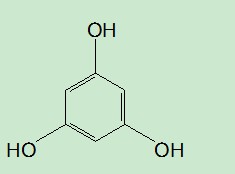




 (All Rights Reserved)


![4-[[[[6-[(Diethylamino)methyl]-2-naphthalenylmethoxy]carbonyllaminolbenzoic acid](https://eimg.pharmasources.com/image/20241206/xJCFsdgfMrHzqjtgeOixhGQHgVbKi7kAcoEqemzE.jpg)
