Product Description
1、As bulk pharmaceutical used to relieve convulsions;
2、As Pharmaceutical chemical intermediates used to
manufacture many kinds of pharmaceuticals and pesticides;
3、Used as chemical products and chemical preservatives;
4、As testing reagent used
AI Product Description
*The following content is generated by AI and is for reference only.
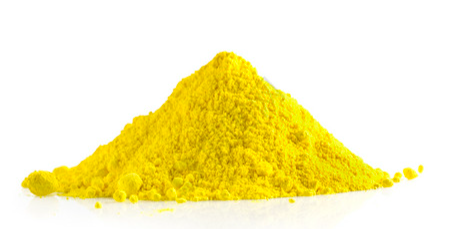
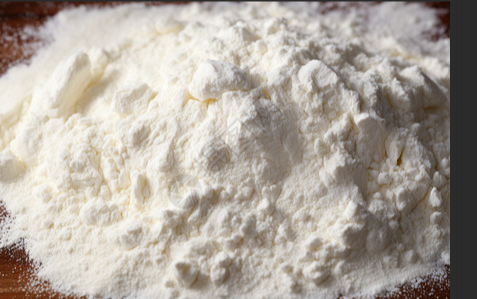
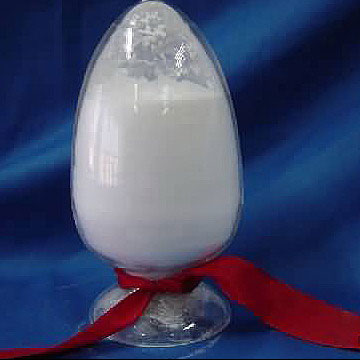
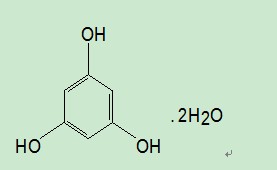
Phloroglucinol Dihydrate is a versatile organic compound widely utilized across various scientific and industrial sectors. Chemically identified by the CAS number 609-31-8, its molecular formula is C₆H₆O₃·2H₂O, reflecting the presence of two water molecules within its crystalline structure alongside the anhydrous phloroglucinol core (C₆H₆O₃). This white to off-white crystalline powder is characterized by its high solubility in water and alcohol, making it an ideal reagent for diverse chemical applications.
In analytical chemistry, Phloroglucinol Dihydrate serves as a critical reagent for the detection and quantification of lignin in plant materials. When reacted with hydrochloric acid or sulfuric acid, it produces a distinct red coloration, allowing researchers to assess wood quality, paper pulp composition, and dietary fiber content in food science. Beyond lignin analysis, this compound is extensively employed in the synthesis of pharmaceutical intermediates and dyes. It acts as a key building block for producing heterocyclic compounds, including pyrazoles and triazoles, which are essential in drug development for anti-inflammatory and antimicrobial properties.
The textile industry also leverages its unique properties for dyeing processes, particularly in creating specific color shades on natural fibers. Furthermore, in material science, it is used as a precursor for resins and adhesives that require high thermal stability and chemical resistance. Its ability to form stable complexes makes it valuable in coordination chemistry studies. Due to its hygroscopic nature, the dihydrate form ensures consistent reactivity in laboratory settings, though care must be taken during storage to prevent moisture loss or absorption affecting concentration accuracy. Safety data indicates it should be handled with standard precautions, avoiding inhalation or skin contact, as it may cause irritation. Overall, Phloroglucinol Dihydrate remains an indispensable tool in research and manufacturing, bridging the gap between fundamental organic synthesis and practical industrial application through its reliable reactivity and distinct chemical behavior.





 (All Rights Reserved)