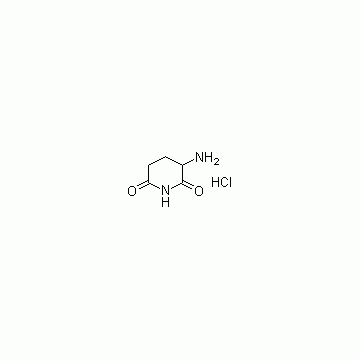
Product Description
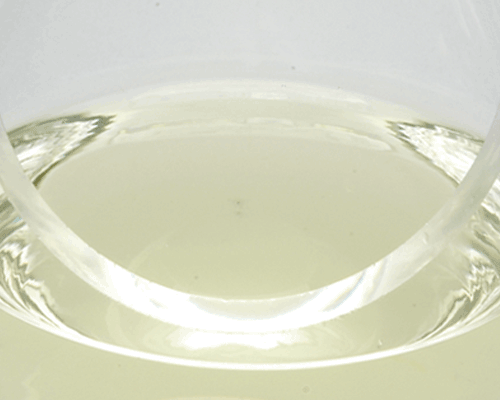
99% Appearance:colorless to slightly yellow oily liquid
Mainly used in the synthesis of pesticide, medicines, dyes and other organic substances
200kg steel-plastic composite drum.
CAS NO.: 100-63-0
Molecular Formula: C6H8N2
Molecular Weight: 108.14
AI Product Description
*The following content is generated by AI and is for reference only.
Phenylhydrazine, typically available in 99% purity for industrial and laboratory applications, is a crucial organic compound characterized by its yellow to brown crystalline appearance and distinct aromatic odor. With the chemical formula C6H8N2 and a molecular weight of approximately 108.14 g/mol, this substance serves as a vital reagent in various synthetic pathways. Its primary CAS Registry Number is 100-63-0, which uniquely identifies it within global chemical databases for regulatory and safety compliance purposes.
The utility of phenylhydrazine extends significantly into the field of pharmaceutical chemistry and dye manufacturing. It acts as a fundamental building block for synthesizing heterocyclic compounds, particularly pyrazoles and indoles, which are core structures in numerous active pharmaceutical ingredients (APIs). In the textile industry, it is employed in the production of azo dyes, contributing to vibrant coloration in fabrics and plastics. Furthermore, phenylhydrazine plays an indispensable role in carbohydrate chemistry, where it reacts with sugars to form osazones, aiding in the identification and characterization of monosaccharides like glucose and fructose.
Safety protocols are paramount when handling this reagent due to its potential toxicity and carcinogenic properties. Phenylhydrazine can be absorbed through the skin and is toxic if ingested or inhaled, causing severe damage to red blood cells and the liver. Consequently, strict personal protective equipment, including gloves, goggles, and respiratory protection, is mandatory during use. Proper ventilation and storage in cool, dry, well-ventilated areas away from oxidizers are essential to prevent accidental reactions or exposure incidents. Despite these hazards, its high reactivity and specific chemical properties make it irreplaceable in advanced organic synthesis. Researchers and manufacturers continue to rely on high-purity grades, such as the 99% variant, to ensure reaction efficiency and product consistency across diverse scientific and commercial sectors.





 (All Rights Reserved)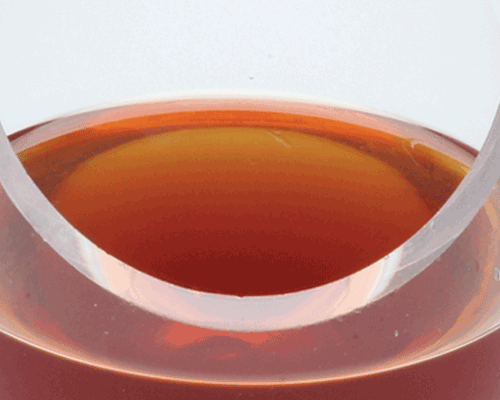

![4-[[[[6-[(Diethylamino)methyl]-2-naphthalenylmethoxy]carbonyllaminolbenzoic acid](https://eimg.pharmasources.com/image/20241206/xJCFsdgfMrHzqjtgeOixhGQHgVbKi7kAcoEqemzE.jpg)