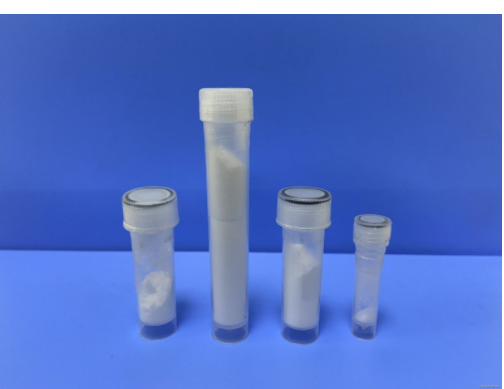
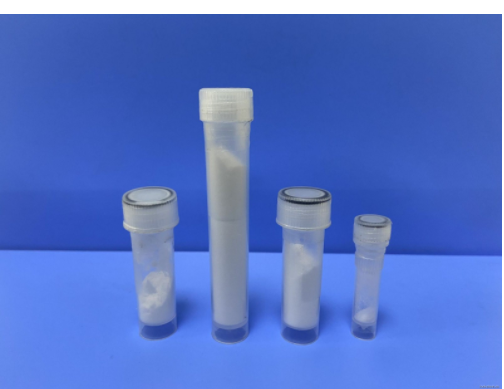
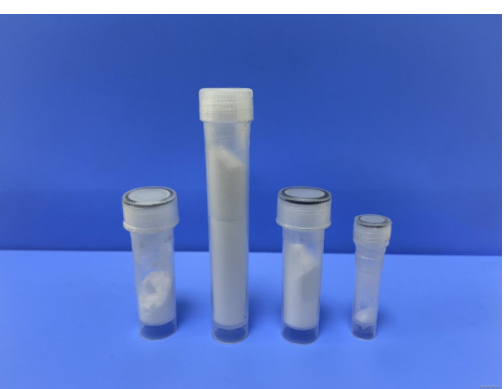
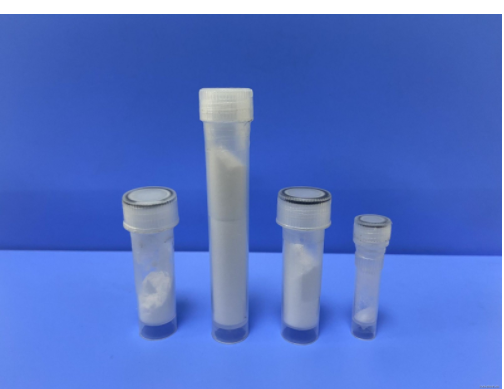
Product Description
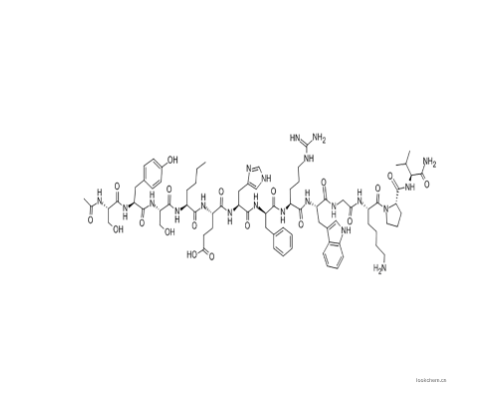
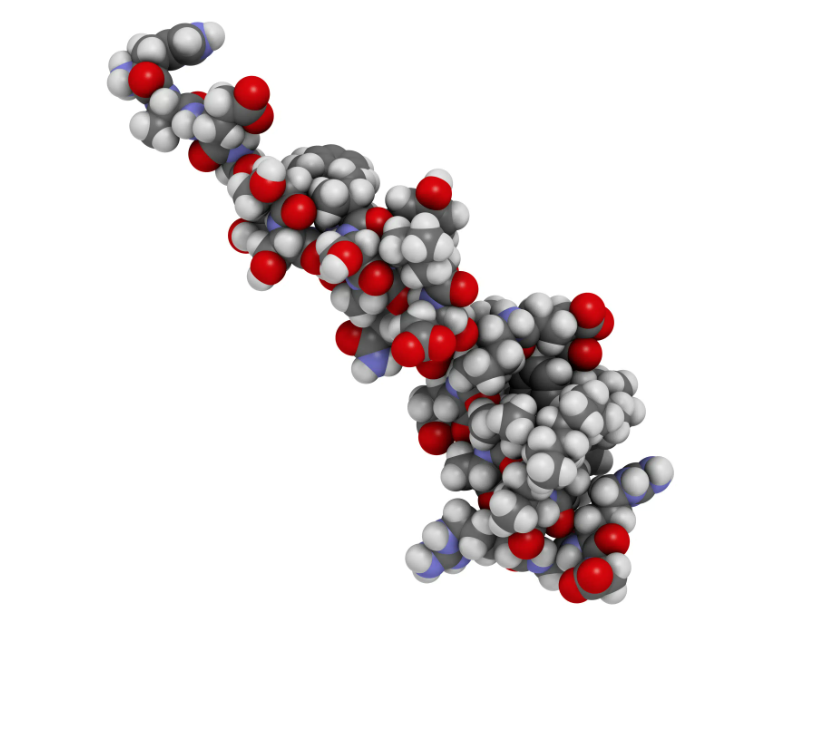
Parasin I is an antimicrobial peptide isolated from catfish skin mucus, a peptide composed of 19 amino acids. Parasin I has the same sequence as other antibacterial peptides, so it has strong antibacterial activity and can fight against a variety of microorganisms without any hemolytic activity. In addition, Parasin I has good antibacterial activity against specific pathogenic bacteria.
AI Product Description
*The following content is generated by AI and is for reference only.
Parasin I is a potent bioactive compound isolated primarily from the marine-derived fungus *Parasiticus* species, though it is frequently associated with research on natural products exhibiting significant anti-inflammatory and anticancer properties. Its molecular formula is C25H34O7, corresponding to a molecular weight of approximately 438.53 g/mol. While specific CAS registry numbers for "Parasin I" are not universally standardized in public commercial databases due to its status as a specialized research chemical rather than a widely traded commodity, it is often cataloged under unique identifiers within academic literature and specialized chemical repositories focusing on fungal metabolites.
The primary utility of Parasin I lies in its pharmacological potential, particularly in the field of medicinal chemistry and drug discovery. Extensive studies suggest that this molecule acts as a potent inhibitor of inflammatory pathways, specifically targeting the NF-κB signaling cascade. By suppressing the production of pro-inflammatory cytokines such as TNF-α and IL-6, Parasin I demonstrates therapeutic promise for treating chronic inflammatory diseases, including arthritis and asthma. Furthermore, emerging research indicates its ability to induce apoptosis in various cancer cell lines, making it a subject of interest for oncology researchers seeking novel chemotherapeutic agents with reduced toxicity compared to conventional treatments.
In laboratory settings, Parasin I serves as a critical tool compound for validating biological targets and understanding cellular mechanisms related to inflammation and cell death. It is typically utilized in high-performance liquid chromatography (HPLC) purity analyses and structure-activity relationship (SAR) studies. Due to its complex biosynthetic origin, obtaining high-purity samples usually requires extraction from cultured fungi followed by rigorous purification processes. Researchers must handle this compound with care, adhering to strict safety protocols regarding storage and disposal, as its long-term effects on non-target organisms are still being evaluated. As a natural product derivative, Parasin I represents a valuable bridge between traditional mycology and modern pharmaceutical innovation, offering insights into developing next-generation therapeutics for immune-related disorders and malignancies.





 (All Rights Reserved)