Product Description
Store in mechanical freezers or liquid nitrogen
Boxes are vented, allowing rapid cooling of contents and full drainage
Made of tough polycarbonate for use with temperatures from -196°C to 121°C
Chemically resistant to alcohols and mild organic solvents
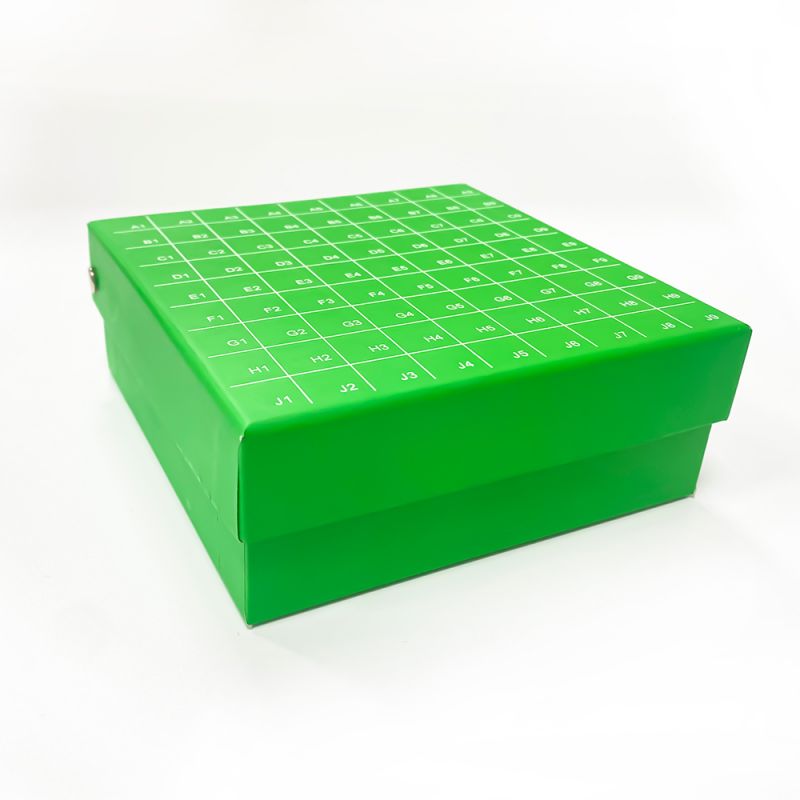
Transparent lids for PC boxes have a numbered grid for quick sample identification
AI Product Description
*The following content is generated by AI and is for reference only.
The product in question refers to a specialized cryovial designed for the long-term preservation of biological samples under extreme cold conditions. These vials are engineered to maintain sample integrity when stored in liquid nitrogen or ultra-low temperature freezers, typically operating at temperatures as low as -196°C. The primary application involves storing cells, tissues, bacteria, viruses, and other sensitive biological materials used in research, clinical diagnostics, and biobanking. Their robust construction ensures that samples remain viable for years without degradation, making them indispensable tools in genetic research, pharmaceutical development, and regenerative medicine.
A critical feature of these containers is their ability to withstand thermal shock during transfer between storage media without cracking or leaking. They are usually manufactured from high-grade polypropylene or similar polymers that offer excellent chemical resistance against solvents and disinfectants often used in laboratory settings. Many models include a secure screw-cap mechanism with an integrated O-ring seal to prevent cross-contamination and evaporation of cryoprotectants. Some variants also come pre-sterilized, ensuring immediate use in sterile environments.
Users must adhere to strict handling protocols to ensure safety and sample longevity. It is essential to avoid overfilling the vials, as liquid expansion upon freezing can cause rupture. Always leave adequate headspace, generally recommended at 10% to 20% of total volume. Furthermore, vials should be labeled clearly using permanent markers compatible with cryogenic temperatures before freezing. Personnel must wear appropriate personal protective equipment, including face shields and insulated gloves, when handling liquid nitrogen to prevent frostbite. Regular inspection of caps and seals is advised to detect any micro-fractures that could compromise storage security. Proper labeling systems are crucial for tracking inventory within large-scale biobanks. By following these guidelines, laboratories can maximize the efficacy of their cryostorage solutions while maintaining the highest standards of safety and data reliability.





 (All Rights Reserved)