Product Description
Store in mechanical freezers or liquid nitrogen
Boxes are vented, allowing rapid cooling of contents and full drainage
Made of tough polycarbonate for use with temperatures from -196°C to 121°C
Chemically resistant to alcohols and mild organic solvents
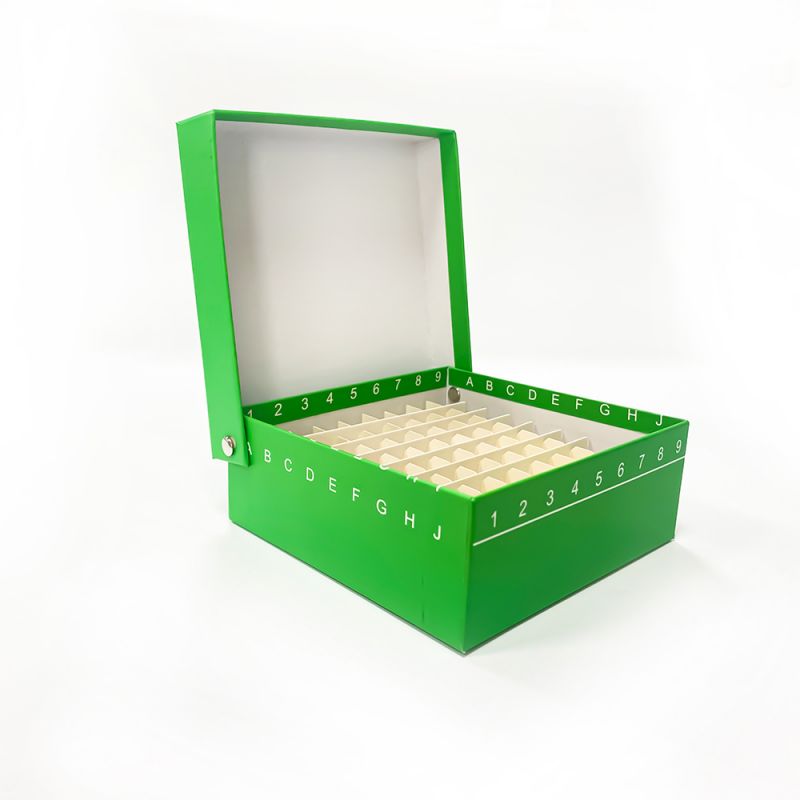
Transparent lids for PC boxes have a numbered grid for quick sample identification
AI Product Description
*The following content is generated by AI and is for reference only.
The product described is a specialized laboratory accessory designed for the secure storage and handling of cryovials within cryogenic environments. Typically constructed from high-grade, durable plastic or stainless steel, this hinged-cap holder serves as an essential organizational tool in biobanks, research facilities, and clinical laboratories where long-term preservation of biological samples is critical. Its primary function is to maintain the structural integrity of cryovials while preventing cross-contamination and accidental loss during the freezing and thawing processes.
The device features a robust hinge mechanism that allows for easy access to individual vial slots without compromising the overall stability of the rack. This design ensures that samples remain upright and properly sealed, which is vital for maintaining sample viability over extended periods at ultra-low temperatures, often reaching -196°C in liquid nitrogen. The hinged lid acts as a protective barrier against external contaminants, such as dust, moisture, or biological aerosols, thereby safeguarding the purity of valuable specimens like cells, tissues, bacteria, and viruses.
Several critical precautions must be observed when utilizing this equipment. First, users should verify the material compatibility with specific solvents or disinfectants used in their cleaning protocols to prevent degradation. Second, extreme care must be taken during rapid thermal transitions; placing the holder directly into liquid nitrogen or removing it immediately after thawing can cause thermal shock, potentially leading to cracking or failure of the plastic components. It is recommended to allow the unit to equilibrate gradually to ambient temperature before opening the lid fully to avoid condensation formation inside the container. Additionally, regular inspection of the hinge and locking mechanisms is necessary to ensure they function correctly under repeated use. Overloading the holder beyond its specified capacity can also compromise safety and sample security. By adhering to these operational guidelines, researchers can maximize the lifespan of both the holder and the precious biological materials stored within it, ensuring reliable results in scientific experiments and clinical diagnostics.





 (All Rights Reserved)