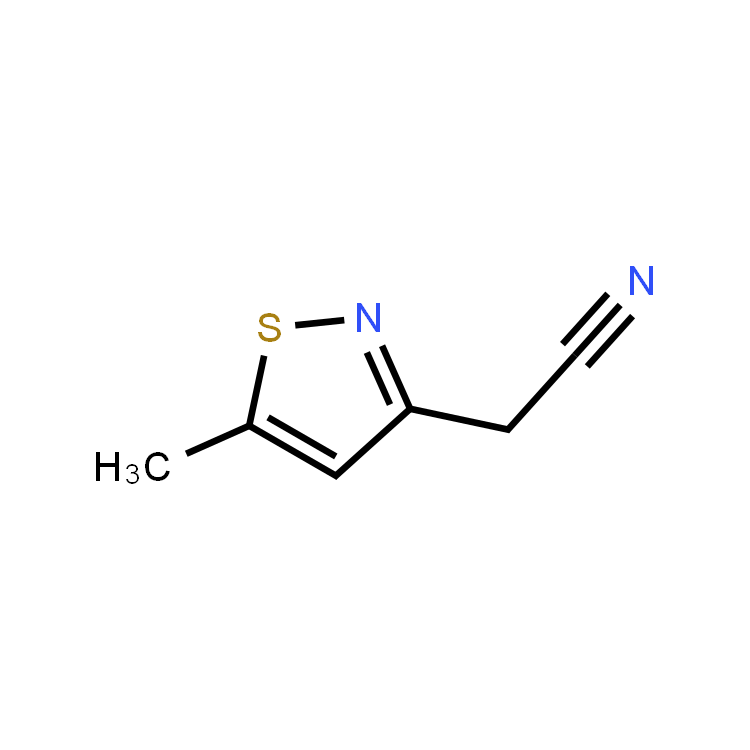
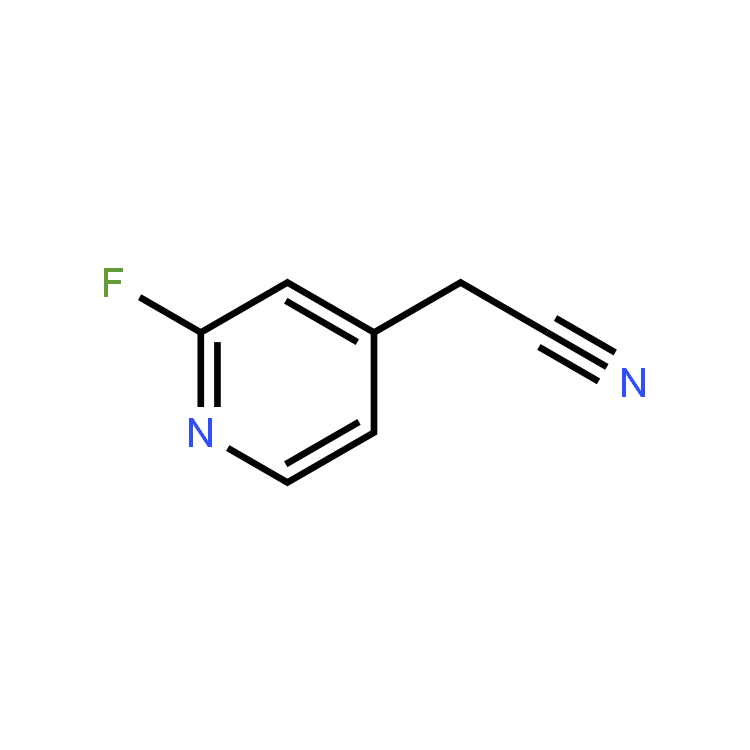
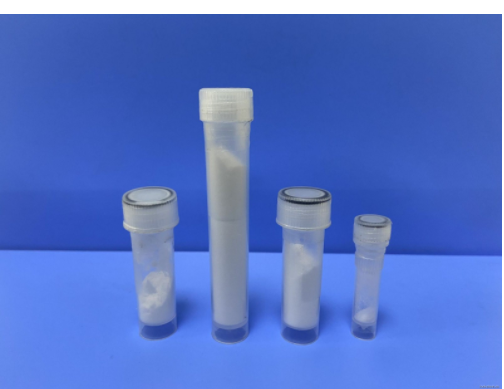
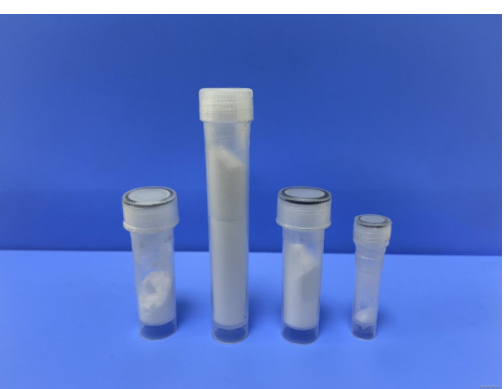
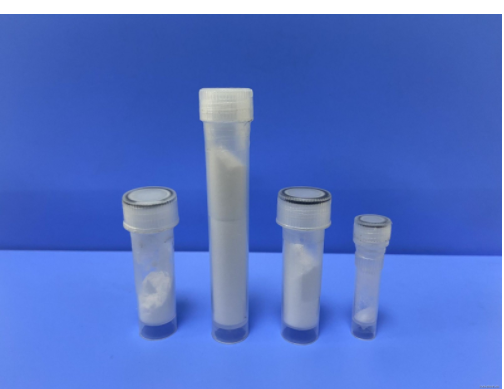
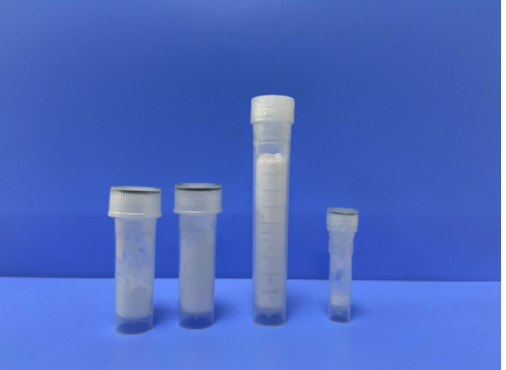
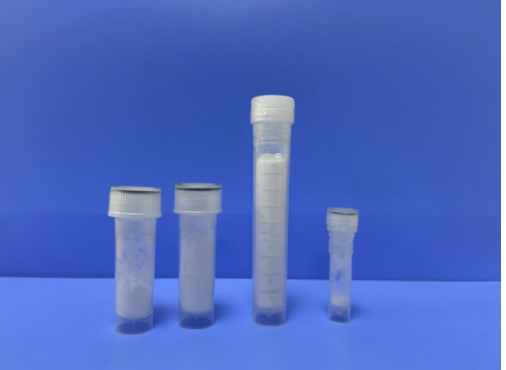
Brand: Gutuo Appearance: white solid Storage: shading, cool and dry, sealed and stored Purity: ≥99% Main use: pharmaceutical intermediates Executive standard: enterprise standard Specification: 25kg/barrel or 1kg/bag (subject to customer requirements) Sales scope: nationwide
*The following content is generated by AI and is for reference only.
Palmitoyl Tripeptide-1 and Palmitoyl Tetrapeptide-7 constitute a synergistic peptide complex widely recognized in the cosmetic industry as Matrixyl 3000. This formulation combines two distinct palmitoylated peptides designed to target multiple signs of aging through complementary mechanisms. While specific molecular formulas vary based on the amino acid sequences and fatty acid conjugation, the general structure involves an N-terminal palmitic acid moiety attached to oligopeptide chains. Palmitoyl Tripeptide-1 consists of glycine-histidine-lysine linked to palmitic acid, whereas Palmitoyl Tetrapeptide-7 comprises methionine-glycine-glutamine-proline conjugated similarly. These molecules do not possess unique CAS numbers individually in commercial contexts but are often referenced under the proprietary blend identifier or associated with their individual peptide components for regulatory purposes.
The primary application of this combination is anti-aging skincare, specifically aimed at reducing the appearance of wrinkles, fine lines, and loss of skin firmness. The mechanism of action relies on stimulating the synthesis of key structural proteins within the dermis. Palmitoyl Tripeptide-1 acts as a signaling molecule that mimics endogenous growth factors, promoting the production of collagen types I and III, elastin, and hyaluronic acid. Simultaneously, Palmitoyl Tetrapeptide-7 functions as an anti-inflammatory agent; it inhibits interleukin-6 (IL-6) secretion, thereby reducing chronic low-grade inflammation known to accelerate skin aging and degrade existing collagen. By addressing both protein depletion and inflammatory stress, the duo effectively improves skin texture, elasticity, and overall density.
This ingredient is suitable for various topical formulations, including serums, creams, and lotions, typically used at concentrations ranging from 0.5% to 2%. Its stability is enhanced by the palmitoyl group, which facilitates deeper penetration into the epidermis while maintaining bioactivity. Clinical studies have demonstrated significant improvements in wrinkle depth and skin smoothness after consistent use over several weeks. Consequently, Palmitoyl Tripeptide-1 plus Palmitoyl Tetrapeptide-7 remains a cornerstone ingredient in modern dermatological research and high-performance cosmetic products seeking non-invasive rejuvenation solutions without the side effects associated with retinoids or harsh chemical exfoliants.

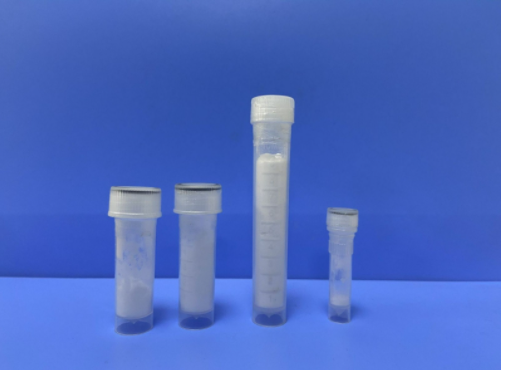




 (All Rights Reserved)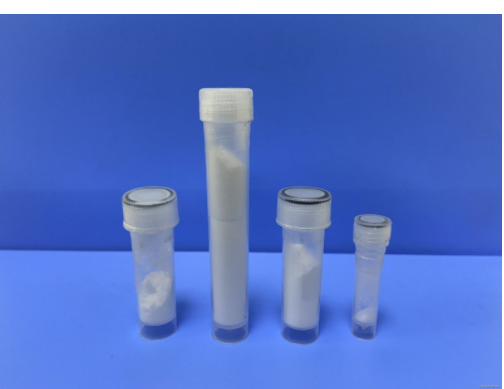

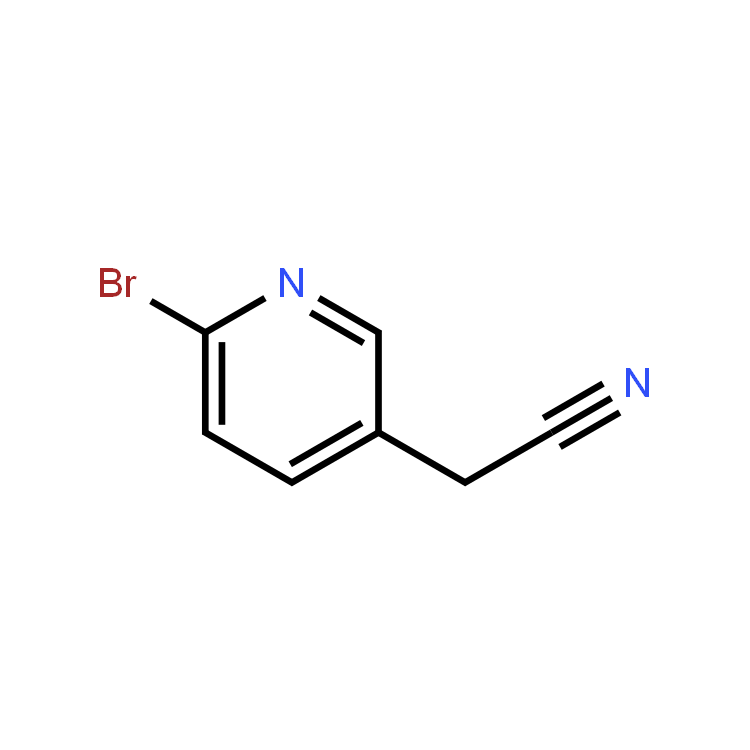
![6,8-Dioxo-5,7-diazaspiro[3.4]octane-2-carboxylic acid](https://eimg.pharmasources.com/image/product/20250403/02effeb5a7639bc84ff1f3add3c0c64fjpg)
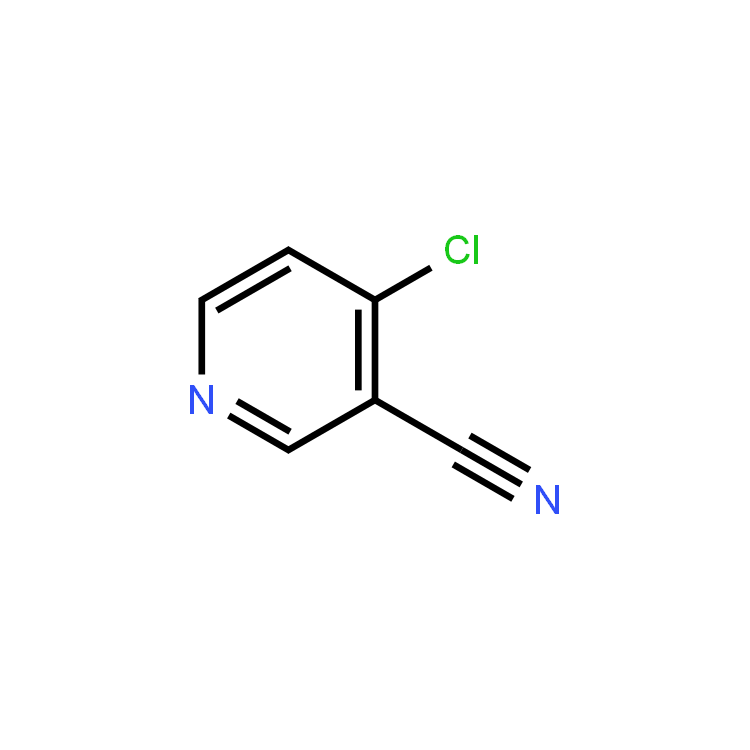
![8-Oxa-1,3-diazaspiro[4.5]decane-2,4-dione](https://eimg.pharmasources.com/image/product/20250403/60fa7223d5a34f24138486ceea0ffb15jpg)
![8,16-Diazadispiro[6.1.6.2]heptadecan-17-one](https://eimg.pharmasources.com/image/product/20250403/ca91cba8b87e53fc879f8d8764873a40jpg)