Product Description
Pharmaceutical
Raw Materials and Intermediates
AI Product Description
*The following content is generated by AI and is for reference only.
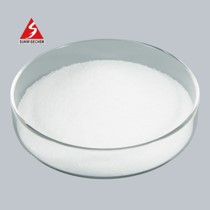
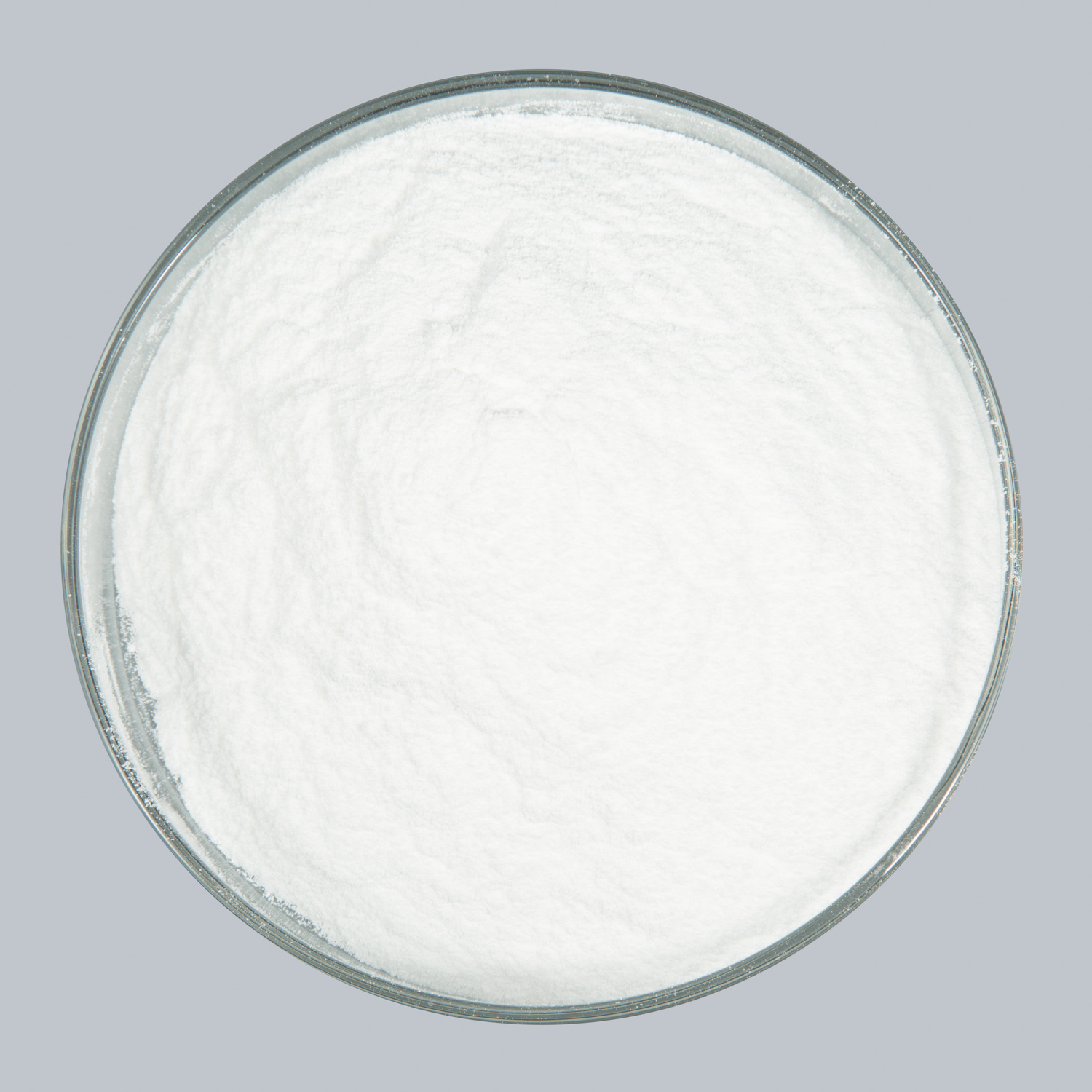
Palladium(II) chloride, with the chemical formula PdCl₂ and CAS Registry Number 7647-10-1, is a versatile inorganic compound widely recognized for its pivotal role in modern chemistry and industrial catalysis. Appearing as a red-brown crystalline solid or powder, this palladium salt exhibits high solubility in water, hydrochloric acid, and various organic solvents, making it an ideal precursor for generating active palladium species in solution. Its most significant application lies in homogeneous catalysis, particularly within the realm of cross-coupling reactions such as the Heck, Sonogashira, and Suzuki-Miyaura couplings. In these processes, PdCl₂ serves as the primary source of palladium, facilitating the formation of carbon-carbon bonds essential for synthesizing complex pharmaceutical intermediates, fine chemicals, and advanced materials.
Beyond organic synthesis, Palladium(II) chloride is extensively utilized in the electroplating industry to produce uniform, corrosion-resistant palladium coatings on electronic components and jewelry. It also acts as a critical reagent in analytical chemistry for the detection of alkynes and other functional groups through specific colorimetric tests. Furthermore, the compound plays a crucial part in the production of carbon monoxide sensors and gas purification systems due to its unique ability to absorb and react with carbon monoxide. The versatility of PdCl₂ extends to the preparation of other organometallic catalysts and nanomaterials, where it functions as a foundational building block. While effective, handling requires standard safety precautions as it can be corrosive and toxic upon ingestion or inhalation. Overall, Palladium(II) chloride remains an indispensable tool in both academic research and large-scale manufacturing, driving innovation across the chemical, pharmaceutical, and electronics sectors by enabling efficient and selective chemical transformations that define contemporary synthetic methodologies.





 (All Rights Reserved)
![6,8-Dioxo-5,7-diazaspiro[3.4]octane-2-carboxylic acid](https://eimg.pharmasources.com/image/product/20250403/02effeb5a7639bc84ff1f3add3c0c64fjpg)
![8-Oxa-1,3-diazaspiro[4.5]decane-2,4-dione](https://eimg.pharmasources.com/image/product/20250403/60fa7223d5a34f24138486ceea0ffb15jpg)
![8,16-Diazadispiro[6.1.6.2]heptadecan-17-one](https://eimg.pharmasources.com/image/product/20250403/ca91cba8b87e53fc879f8d8764873a40jpg)
