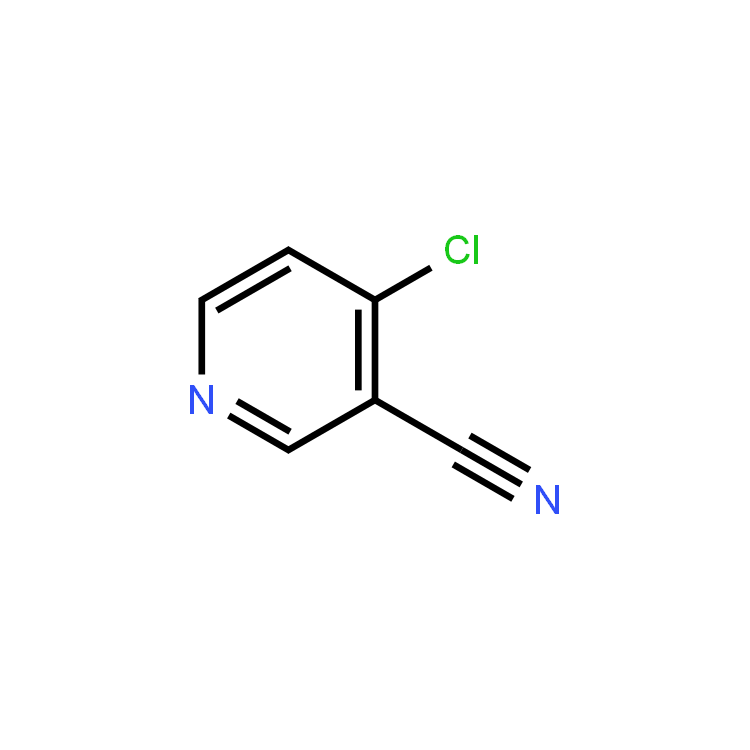
Product Description
Pharmaceutical
Raw Materials and Intermediates
AI Product Description
*The following content is generated by AI and is for reference only.
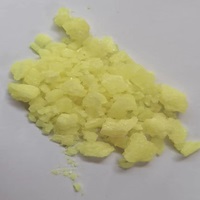
Palladium(II) acetylacetonate, commonly known as Pd(acac)₂, is a versatile organometallic compound widely utilized in both academic research and industrial applications. Its chemical formula is C₁₀H₁₄O₄Pd, and it is uniquely identified by the CAS Registry Number 14024-95-8. This substance typically appears as orange to red-brown crystalline powder or needles, characterized by its high solubility in common organic solvents such as chloroform, dichloromethane, and acetone, while remaining insoluble in water. Structurally, the palladium center exists in a square planar geometry coordinated by two bidentate acetylacetonate ligands, a configuration that contributes significantly to its thermal stability and reactivity profile.
The primary application of Palladium(II) acetylacetonate lies in catalysis, where it serves as an efficient precursor for various cross-coupling reactions, including Suzuki-Miyaura, Heck, and Sonogashira couplings. These reactions are fundamental in synthesizing complex pharmaceutical intermediates, fine chemicals, and advanced materials. Due to its volatility and solubility, it is also extensively employed in the preparation of thin films and coatings via Chemical Vapor Deposition (CVD) and Atomic Layer Deposition (ALD). In these processes, the compound decomposes upon heating to deposit pure palladium metal layers on substrates, which are crucial for electronic components, sensors, and heterogeneous catalyst supports. Furthermore, it acts as a key starting material for synthesizing other palladium complexes with tailored ligand environments, allowing chemists to fine-tune catalytic activity for specific synthetic pathways. Handling this compound requires standard laboratory safety precautions, as it should be stored in a cool, dry place away from strong oxidizers to prevent decomposition. Overall, Pd(acac)₂ remains an indispensable reagent in modern chemistry, bridging the gap between fundamental organometallic theory and practical large-scale manufacturing.





 (All Rights Reserved)
![8-Oxa-1,3-diazaspiro[4.5]decane-2,4-dione](https://eimg.pharmasources.com/image/product/20250403/60fa7223d5a34f24138486ceea0ffb15jpg)
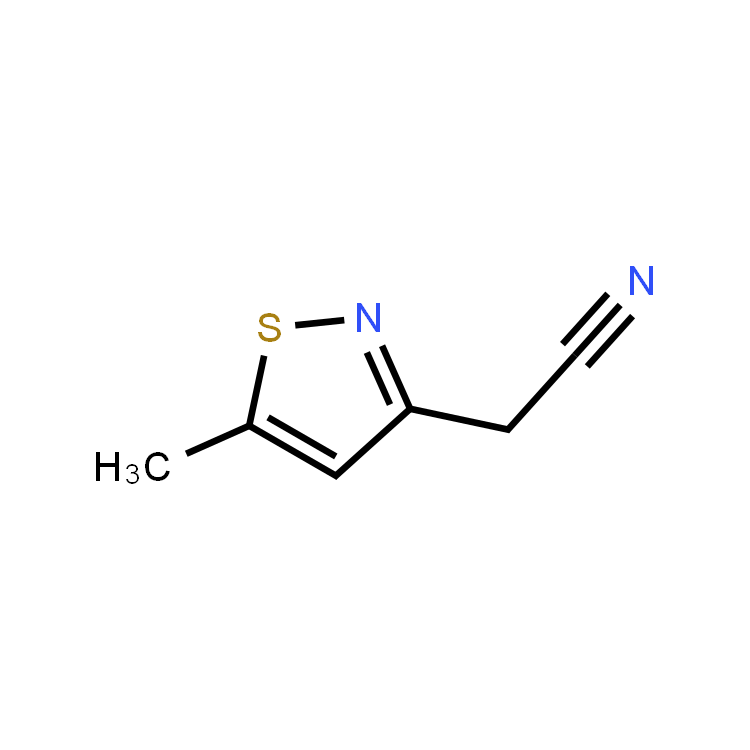
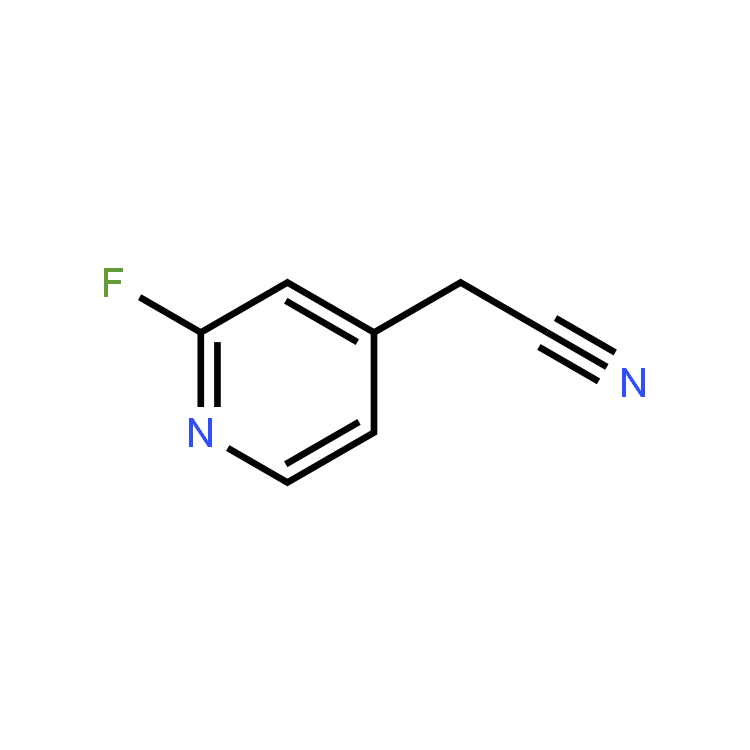
![6,8-Dioxo-5,7-diazaspiro[3.4]octane-2-carboxylic acid](https://eimg.pharmasources.com/image/product/20250403/02effeb5a7639bc84ff1f3add3c0c64fjpg)
![8,16-Diazadispiro[6.1.6.2]heptadecan-17-one](https://eimg.pharmasources.com/image/product/20250403/ca91cba8b87e53fc879f8d8764873a40jpg)