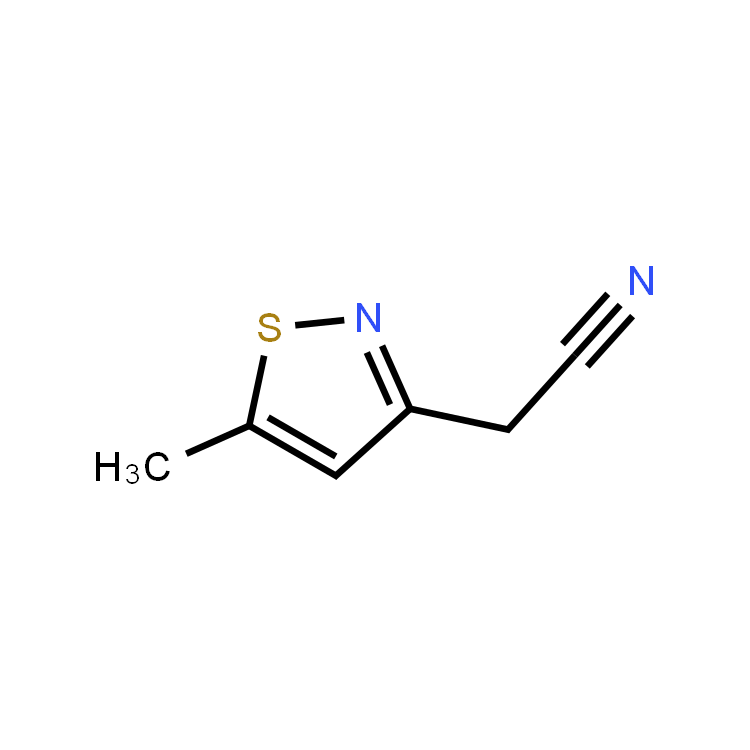
Product Description
Pharmaceutical
Raw Materials and Intermediates
AI Product Description
*The following content is generated by AI and is for reference only.
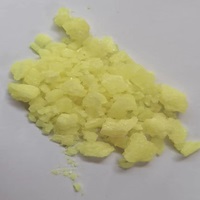
Palladium chloride acid potassium, commonly known as Potassium tetrachloropalladate(II) or Potassium dichlorodihydroxypalladate depending on the specific hydration and formulation context, is a significant inorganic compound widely utilized in catalytic chemistry and materials science. Its standard chemical formula is K₂PdCl₄, though it often exists in hydrated forms such as the dihydrate. The substance is characterized by its bright orange-red crystalline appearance and high solubility in water, which facilitates its use in various aqueous reaction systems.
The primary application of this reagent lies in its role as a precursor for palladium-based catalysts. It serves as a crucial starting material for the synthesis of heterogeneous catalysts used in industrial organic synthesis, particularly in hydrogenation reactions, cross-coupling processes like the Suzuki-Miyaura and Heck reactions, and the production of fine chemicals and pharmaceuticals. In these contexts, the palladium ion is reduced to metallic palladium or other active species that drive complex bond-forming transformations with high efficiency and selectivity.
Beyond catalysis, potassium tetrachloropalladate finds extensive use in electroplating baths, where it helps deposit thin, uniform layers of palladium onto substrates for electronic components and decorative finishes. It is also employed in analytical chemistry for the detection and quantification of alkynes and alkenes due to its ability to form stable complexes with unsaturated hydrocarbons. Furthermore, research into nanomaterials frequently utilizes this salt as a source for synthesizing palladium nanoparticles, which exhibit unique optical and catalytic properties distinct from bulk metal.
Safety protocols are essential when handling this compound, as it contains heavy metals and can be toxic if ingested, inhaled, or absorbed through the skin. Proper personal protective equipment and ventilation are mandatory in laboratory and industrial settings. With its CAS number 16921-08-3, this compound remains a staple reagent in modern chemical manufacturing, bridging the gap between fundamental research and large-scale industrial applications across diverse sectors including electronics, petrochemicals, and drug development.

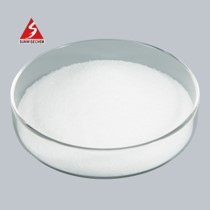




 (All Rights Reserved)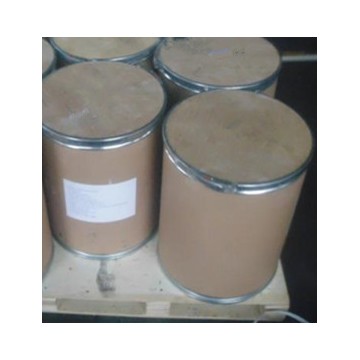
![8,16-Diazadispiro[6.1.6.2]heptadecan-17-one](https://eimg.pharmasources.com/image/product/20250403/ca91cba8b87e53fc879f8d8764873a40jpg)
![8-Oxa-1,3-diazaspiro[4.5]decane-2,4-dione](https://eimg.pharmasources.com/image/product/20250403/60fa7223d5a34f24138486ceea0ffb15jpg)
![6,8-Dioxo-5,7-diazaspiro[3.4]octane-2-carboxylic acid](https://eimg.pharmasources.com/image/product/20250403/02effeb5a7639bc84ff1f3add3c0c64fjpg)