Product Description
Pharmaceutical
Raw Materials and Intermediates
AI Product Description
*The following content is generated by AI and is for reference only.
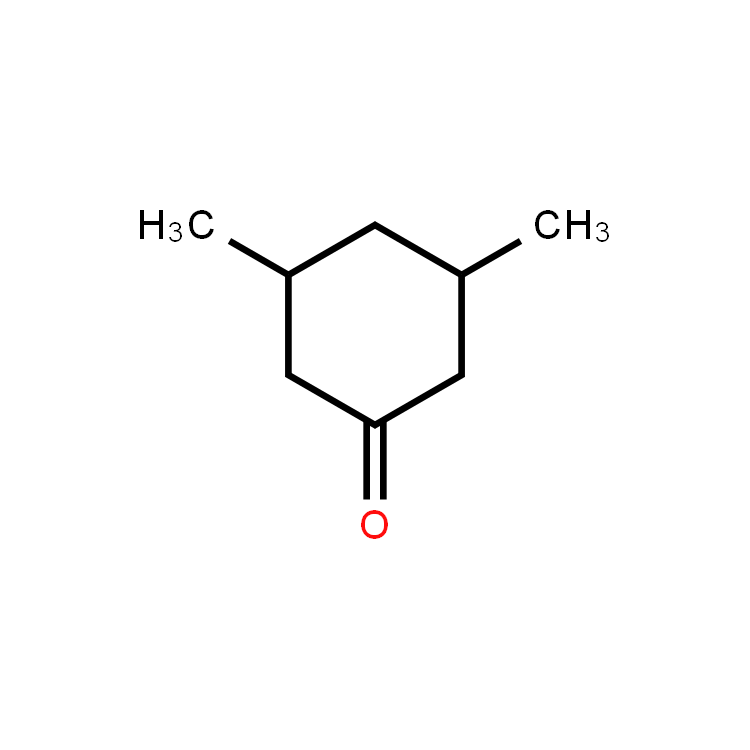
P-Methyl Benzoyl Chloride, chemically known as 4-methylbenzoyl chloride or p-toluoyl chloride, is a vital aromatic acylating agent widely utilized in organic synthesis and industrial chemistry. Its molecular formula is C8H7ClO, corresponding to a molar mass of approximately 154.6 g/mol. The compound is characterized by a benzene ring substituted with a methyl group at the para position relative to an acid chloride functional group. This specific structural arrangement imparts unique reactivity, making it highly effective for introducing the 4-methylbenzoyl moiety into various molecular frameworks. The CAS number for this substance is 93-53-0.
In terms of physical properties, P-Methyl Benzoyl Chloride typically appears as a colorless to pale yellow liquid with a sharp, pungent odor. It is soluble in common organic solvents such as ethanol, ether, and chloroform but reacts vigorously with water, releasing hydrogen chloride gas. Due to its high reactivity as an electrophile, it serves as a crucial intermediate in the production of pharmaceuticals, agrochemicals, and dyes. For instance, it is frequently employed in the synthesis of non-steroidal anti-inflammatory drugs (NSAIDs) and various ketones used in fragrance formulations. Additionally, it plays a significant role in manufacturing polyesters and specialized polymers where enhanced thermal stability or specific optical properties are required.
Safety protocols are paramount when handling this chemical, as it is corrosive and a severe irritant to skin, eyes, and respiratory tissues. Proper ventilation and personal protective equipment are mandatory during storage and application. The global demand for this reagent continues to grow, driven by advancements in fine chemical manufacturing and the expanding pharmaceutical sector. Researchers value its versatility for coupling reactions, enabling the efficient construction of complex molecular architectures essential for modern material science and drug discovery. Whether used as a starting material for advanced intermediates or as a direct reactant in esterification processes, P-Methyl Benzoyl Chloride remains an indispensable component in the toolkit of synthetic chemists worldwide, facilitating the creation of high-value products across diverse industries.





 (All Rights Reserved)
![6,8-Dioxo-5,7-diazaspiro[3.4]octane-2-carboxylic acid](https://eimg.pharmasources.com/image/product/20250403/02effeb5a7639bc84ff1f3add3c0c64fjpg)
![8,16-Diazadispiro[6.1.6.2]heptadecan-17-one](https://eimg.pharmasources.com/image/product/20250403/ca91cba8b87e53fc879f8d8764873a40jpg)
![8-Oxa-1,3-diazaspiro[4.5]decane-2,4-dione](https://eimg.pharmasources.com/image/product/20250403/60fa7223d5a34f24138486ceea0ffb15jpg)