Product Description
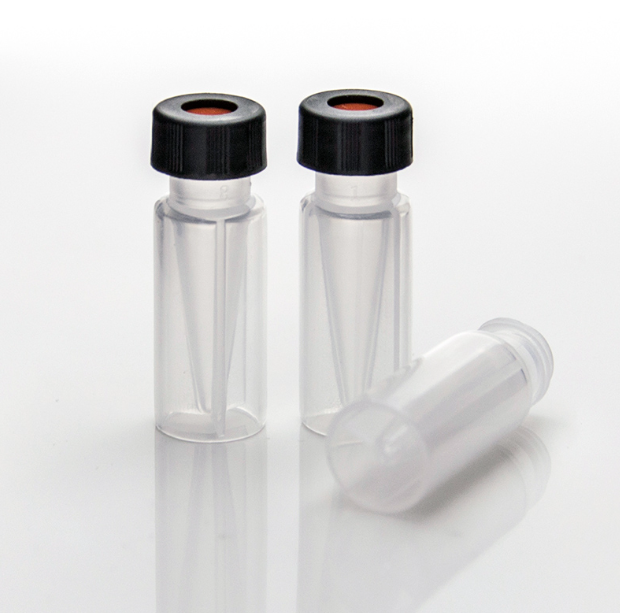
NOKE PFAS Free Vials & Caps, also known as PTFE-Free Vials & Caps. Designed for handling pH-sensitive samples and analyses involving sodium or heavy metals, making them ideal for PFAS testing where sample integrity is crucial.
AI Product Description
*The following content is generated by AI and is for reference only.
The product in question refers to specialized glass vials and closure systems specifically engineered for the precise analysis of Per- and Polyfluoroalkyl Substances (PFAS) in environmental, biological, and industrial samples. These containers are designed to address the critical challenge of ubiquitous background contamination, a pervasive issue where trace amounts of PFAS from standard laboratory plastics or packaging can compromise sensitive analytical results. Unlike conventional sampling vessels, these high-performance vials are manufactured using materials rigorously tested to ensure they are free from fluorinated compounds, thereby maintaining sample integrity throughout the collection, storage, and transport phases.
The primary application of these vials is in compliance with strict regulatory guidelines set by agencies such as the US Environmental Protection Agency (EPA). They are essential for methods like EPA Method 537.1 and 1633, which require ultra-trace detection levels often measured in parts per trillion. The accompanying caps and septa are similarly constructed from inert materials that do not leach contaminants, ensuring that the chemical profile of the water or soil sample remains unaltered before reaching the mass spectrometer. This reliability is paramount for accurate data reporting in drinking water monitoring, wastewater treatment verification, and ecological impact assessments.
When handling these vials, several precautions must be observed to preserve their contaminant-free status. First, users should strictly avoid touching the internal surfaces or the inner lip of the cap with bare hands, as skin oils and residues may introduce interference. Second, it is imperative to store the vials in their original sealed packaging until the moment of use to prevent airborne deposition of particles. Third, cleaning procedures should be avoided entirely unless explicitly validated by the manufacturer, as improper washing can damage the surface coating or introduce new contaminants. Finally, samples must be processed in a dedicated cleanroom environment whenever possible to minimize cross-contamination risks. Adhering to these protocols ensures that analytical findings reflect true environmental concentrations rather than artifacts of the sampling process, providing confidence in regulatory decisions and public health protections.





 (All Rights Reserved)