Product Description
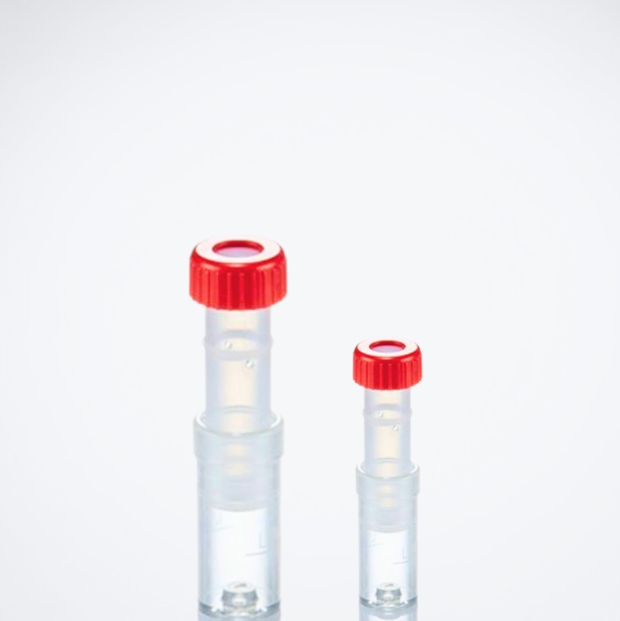
Noke Syringeless Filter Vial (Captiva Filter Vial): One-Step Solution for Efficient Sample Preparation
Syringesless Filter Vial Features:
Compatible with major chromatography instruments (Waters, Agilent, Shimadzu), with standard auto-sampler size.
Integrated one-step filtration with a pre-slit cap for clean and efficient sample transfer.
Cost-effective design replacing syringes, filters, vials, and caps.
Operating Temp: up to 50°C (121°F); supports CA, RC, MCE, Glass Fiber, and PP membranes.
AI Product Description
*The following content is generated by AI and is for reference only.
The Captiva Filter Vials represent a specialized category of laboratory consumables designed to ensure the highest integrity of sample analysis, particularly in chromatography and mass spectrometry applications. These vials are engineered with an integrated polypropylene membrane filter positioned directly beneath the cap, eliminating the need for separate filtration steps prior to injection. This unique design effectively removes particulate matter that could otherwise clog sensitive analytical instruments, such as HPLC autosamplers or LC-MS systems, thereby protecting expensive columns and maintaining consistent flow rates.
The primary utility of these vials lies in their ability to streamline workflow while enhancing data reliability. By filtering samples directly within the vial during the transfer process, analysts can significantly reduce preparation time and minimize the risk of cross-contamination associated with manual filtration techniques. The filters typically feature high chemical compatibility, allowing them to handle a broad spectrum of solvents ranging from aqueous solutions to aggressive organic mixtures without degrading or leaching contaminants. Furthermore, the low adsorption properties of the materials ensure that trace analytes remain intact, preserving sample concentration accuracy.
When utilizing these vials, several critical precautions must be observed. First, users should verify that the filter material is compatible with both the solvent system and the specific analyte being tested to prevent unwanted chemical reactions or absorption. It is also essential to avoid over-tightening the cap, which might compromise the seal or damage the internal filter mechanism. Additionally, proper storage conditions are vital; vials should be kept in a clean, dust-free environment to maintain sterility before use. Once opened, immediate usage is recommended to prevent airborne particulate contamination. Finally, operators must ensure the vial is seated correctly in the autosampler tray to guarantee accurate needle positioning and successful sample aspiration. Adhering to these guidelines ensures optimal performance, instrument longevity, and reproducible analytical results across diverse research and quality control environments.





 (All Rights Reserved)